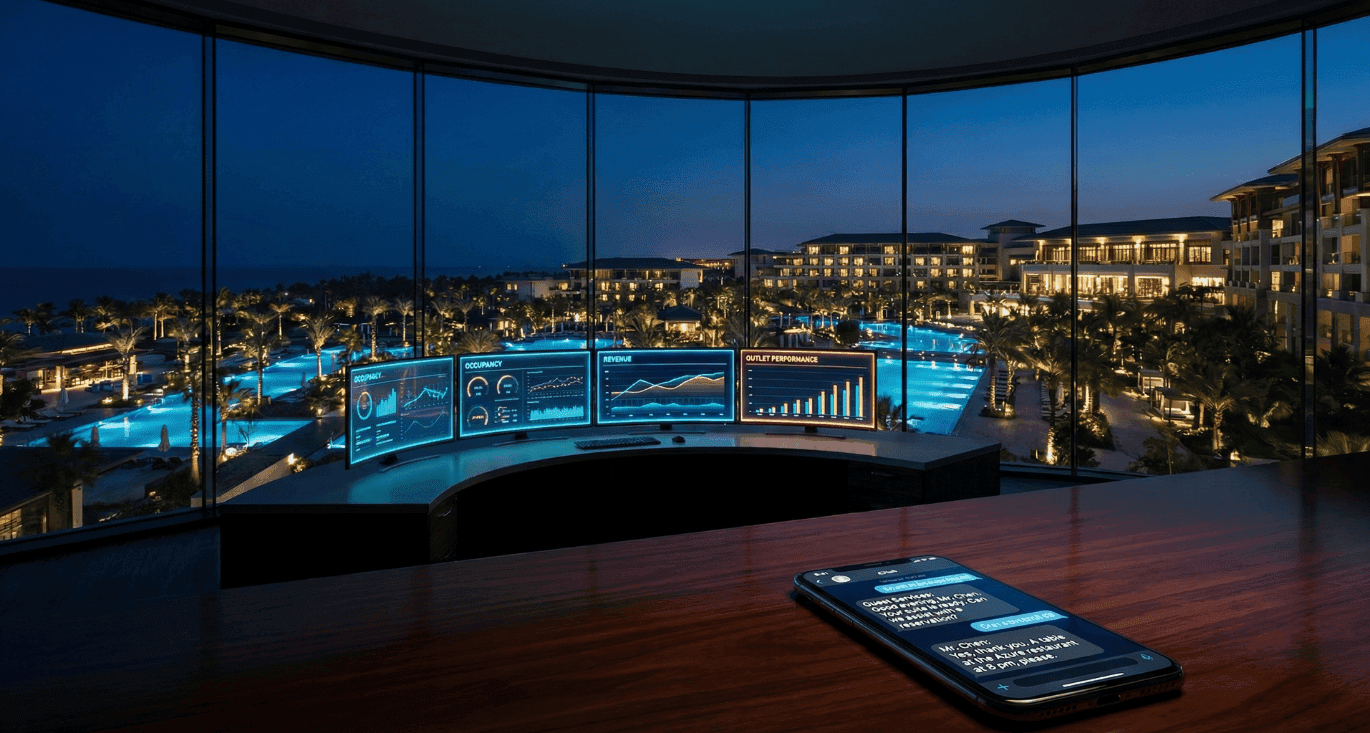
Infor HMS และ AI: สิ่งที่สร้างไว้ในตัวและสิ่งที่ขาดหายไป
Infor HMS โดดเด่นในฐานะระบบการจัดการสถานที่ชั้นนำระดับองค์กรด้วยเครื่องมือการดำเนินงานที่ขับเคลื่อนด้วย AI อย่างแข็งแกร่งเช่น EzRMS สำหรับการจัดการรายได้ แต่ขาดความสามารถที่เผชิญหน้ากับแขก สำหรับผู้นำการบริการที่ต้องการเชื่อมช่องว่างนี้ การรวมชั้น AI เฉพาะเช่น Lynn จาก Vertize สามารถเปลี่ยนการสื่อสารกับแขกด้วยการส่งข้อความหลายภาษา omnichannel และการบริการส่วนบุคคลในระดับขนาด
Infor HMS และ AI: สิ่งที่สร้างไว้ในตัวและสิ่งที่ขาดหายไป
TL;DR: Infor HMS คือ PMS ระดับองค์กรที่ลึกซึ้งที่สุดในตลาด ด้วย AI การดำเนินงานที่ทรงพลังใน EzRMS สำหรับการจัดการรายได้และการพยากรณ์เชิงคาดการณ์ แต่เกือบทั้งหมดของความฉลาดนั้นหันเข้าด้านใน การสนทนา AI ที่เผชิญหน้ากับแขก การส่งข้อความหลายภาษา และการสื่อสาร omnichannel อยู่นอกเหนือสิ่งที่แพลตฟอร์มส่งมอบโดยกำเนิด สร้างช่องว่างที่กว้างขึ้นเมื่อความซับซ้อนของสถานที่เพิ่มขึ้น
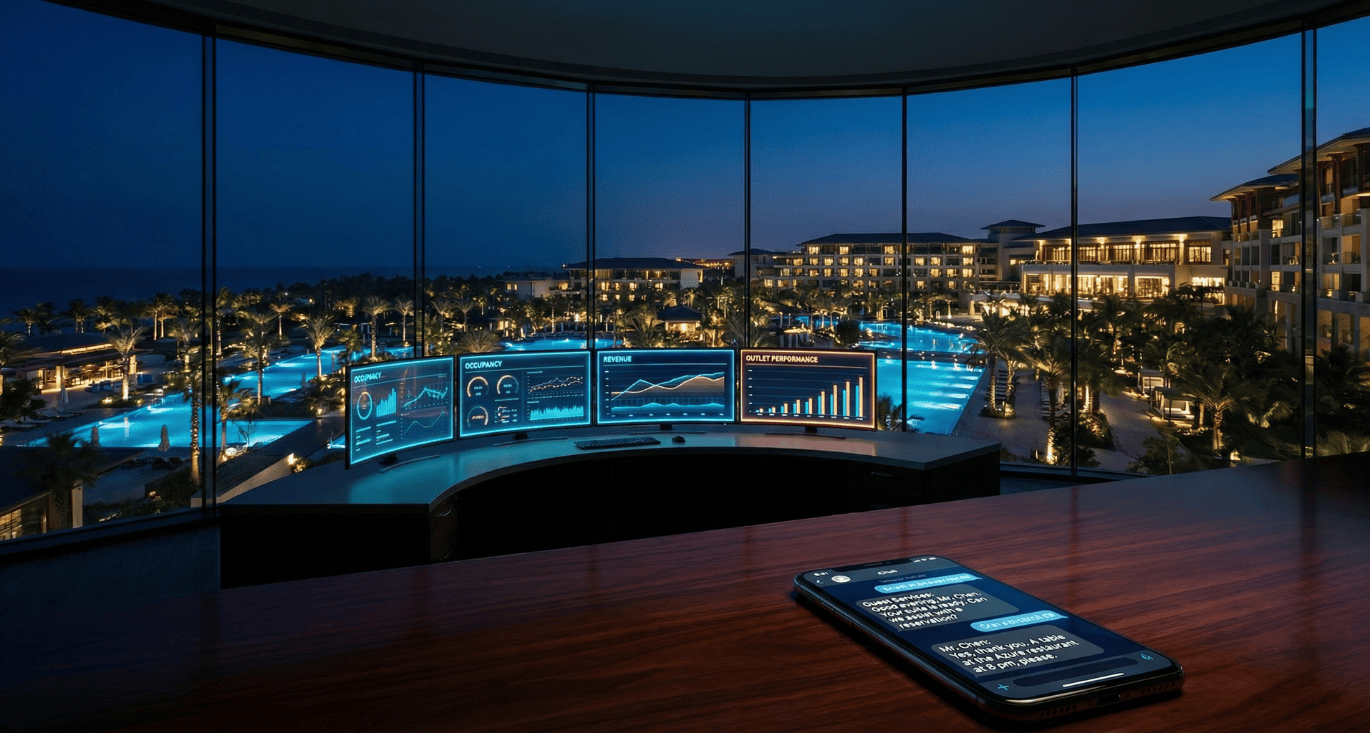
การดำเนินการรีสอร์ทคาสิโน 700 ห้องที่มีร้านอาหารสิบสองแห่ง สปา สนามกอล์ฟ และศูนย์ประชุม เป็นความท้าทายที่แตกต่างจากพื้นฐานเมื่อเทียบกับการดำเนินการโรงแรมบูติก 50 ห้อง Infor HMS มีอยู่เพราะการบริการระดับองค์กรต้องการความลึกในการดำเนินงานระดับนั้น แต่เมื่อความสามารถ AI ของ Infor HMS เติบโตเต็มที่ในด้านหลังบ้าน ชั้นการสื่อสารกับแขกยังคงไม่เปลี่ยนแปลงเป็นส่วนใหญ่ สำหรับผู้ดำเนินการระดับองค์กรที่ประเมินวิธีขยาย PMS ด้วย AI การเข้าใจว่าจุดที่ Infor หยุดและจุดที่ชั้นความฉลาดเฉพาะเริ่มต้นคือขั้นตอนแรกสู่การปิดช่องว่างนั้น
อะไรทำให้ Infor HMS เป็น PMS ที่เลือกสำหรับการบริการระดับองค์กร?
Infor HMS ครองตำแหน่งที่ไม่เหมือนใครในภูมิทัศน์ PMS: มันคือแพลตฟอร์มที่สร้างขึ้นเฉพาะสำหรับสถานที่ที่ความซับซ้อนเป็นพื้นฐาน ไม่ใช่ข้อยกเว้น การประเมิน IDC MarketScape 2024-2025 ตั้งชื่อ Infor HMS เป็นผู้นำในระบบการจัดการสถานที่บริการระดับโลก โดยอ้างถึงสถาปัตยกรรมคลาวด์เนทีฟ แนวทาง mobile-first และความสามารถในการรวมระบบลึกซึ้งทั่วระบบนิเวศ Infor CloudSuite ที่กว้างขึ้น
สิ่งที่แยก Infor จากแพลตฟอร์ม PMS ตลาดกลางคือความสามารถในการจัดการศูนย์รายได้หลายแห่งภายในมุมมองการดำเนินงานเดียว รีสอร์ทคาสิโนที่ดำเนินการเกมโต๊ะหลายร้อยโต๊ะควบคู่กับร้านอาหารและเครื่องดื่ม 15 แห่ง สปาเต็มรูปแบบ การดำเนินงานค้าปลีก และสนามกอล์ฟต้องการ PMS ที่ปฏิบัติต่อทั้งหมดนั้นเป็นส่วนที่เชื่อมโยงของหนึ่งเดียวทางการเงิน Infor HMS ทำสิ่งนี้โดยกำเนิด รวมรายงานข้ามทุกช่องทางเพื่อให้ VP การดำเนินงานเห็นภาพรายได้ที่สมบูรณ์โดยไม่ต้องเย็บข้อมูลจากระบบแยก
ตำแหน่งของแพลตฟอร์มภายใน Koch Industries ให้ทรัพยากรการวิจัยและพัฒนาที่ผู้จำหน่าย PMS ขนาดเล็กไม่สามารถเทียบได้ และพอร์ตโฟลิโอลูกค้าสะท้อนถึงการมุ่งเน้นระดับองค์กร: รีสอร์ทคาสิโนขนาดใหญ่ เครือรีสอร์ทระหว่างประเทศ และการพัฒนาการบริการแบบผสมผสานที่ต้องการการประสานงานการดำเนินงานข้ามแผนกหลายสิบแผนกทุกวัน สำหรับสถานที่เหล่านี้ การเลือก PMS ไม่ใช่การตัดสินใจซอฟต์แวร์ มันคือการตัดสินใจโครงสร้างพื้นฐานที่สัมผัสทุกแผนกตั้งแต่การเงินถึงแม่บ้าน และ Infor HMS สร้างขึ้นเพื่อจัดการความกว้างนั้น
Infor HMS รวมความสามารถ AI อะไรบ้างโดยกำเนิด?
Infor HMS ส่งมอบ AI การดำเนินงานที่ซับซ้อนที่สุดบางส่วนในตลาด PMS การบริการ โดยมุ่งเน้นหลักในด้านการเพิ่มประสิทธิภาพรายได้และการวิเคราะห์เชิงคาดการณ์ เมื่ออุตสาหกรรมพูดถึง Infor hotel AI มันเกือบจะหมายถึงความฉลาดด้านหลังบ้านมากกว่าการทำงานอัตโนมัติที่เผชิญหน้ากับแขก
EzRMS คือศูนย์กลาง ระบบการจัดการรายได้ของ Infor ใช้อัลกอริทึมการเรียนรู้เชิงลึกที่ก้าวเลยระบบราคาตามกฎเกณฑ์แบบดั้งเดิม ในขณะที่ระบบเก่าพึ่งพารูปแบบการจองในอดีตเป็นหลัก EzRMS จำลองความต้องการแบบไดนามิกโดยรวมฤดูกาล ผลกระทบวันในสัปดาห์ กิจกรรมท้องถิ่น พฤติกรรมกลุ่มตลาด และรูปแบบการยกเลิก ระบบรองรับการอัปเดตราคาภายในวัน หมายความว่าอัตราปรับหลายครั้งต่อวันเพื่อตอบสนองการเปลี่ยนแปลงตลาดแบบเรียลไทม์ สำหรับสถานที่ระดับองค์กรที่มีสินค้าคงคลังประเภทห้องที่ซับซ้อนและพื้นที่ประชุมและกิจกรรมสำคัญ EzRMS ยังเพิ่มประสิทธิภาพรายได้ข้ามห้องประชุมและสถานที่จัดงาน ไม่ใช่แค่ห้องพักแขก หากคุณกำลังเปรียบเทียบสิ่งนี้กับ วิธีที่การจัดการรายได้ที่ขับเคลื่อนด้วย AI ทำงานข้ามตลาดที่กว้างขึ้น EzRMS แสดงถึงหนึ่งในการนำไปใช้ที่เติบโตเต็มที่ที่สุดที่มีในสภาพแวดล้อมคาสิโนและรีสอร์ท
ในเดือนตุลาคม 2025 Infor แนะนำ Industry AI Agents: ตัวแทน AI เฉพาะบทบาทที่ออกแบบสำหรับอุตสาหกรรมแนวตั้งรวมถึงการบริการ ตัวแทนเหล่านี้สร้างบน Infor Agentic Orchestrator ซึ่งใช้ Amazon Bedrock สำหรับการเลือกโมเดลและ LangChain สำหรับการประสานงานหลายขั้นตอน สำหรับทีมการดำเนินงานโรงแรม นี่หมายความว่าพนักงานสามารถสอบถามข้อมูลการดำเนินงานผ่านภาษาธรรมชาติ ผู้จัดการรายได้สามารถขอสรุปการเข้าพักที่คาดการณ์สำหรับสุดสัปดาห์หน้า ผู้อำนวยการ F&B สามารถดึงการเปรียบเทียบต้นทุนเทียบงบประมาณข้ามช่องทางโดยไม่ต้องสร้างรายงานด้วยมือ
Infor GenAI Assistant ขยายสิ่งนี้ต่อไป โดยให้อินเทอร์เฟซการสนทนาสำหรับพนักงานเพื่อโต้ตอบกับข้อมูลองค์กรข้ามระบบนิเวศ CloudSuite และ Rover ผู้ช่วยการสนทนา แม้บางครั้งสับสนกับแชทบอทที่เผชิญหน้ากับแขก เป็นเครื่องมือที่เผชิญหน้ากับพนักงานเป็นหลักที่ออกแบบมาเพื่อแสดงข้อมูลการดำเนินงานและสนับสนุนเวิร์กโฟลว์ภายในเช่นการอัปเดตแม่บ้านและการจัดการสินค้าคงคลัง
ชั้นการกำกับดูแลรอบทั้งหมดนี้เป็นระดับองค์กร AI ของ Infor ทำงานด้วยความสามารถอธิบายได้ในตัว การควบคุมความปลอดภัย และคุณสมบัติการปฏิบัติตามที่ทีม IT องค์กรต้องการก่อนอนุมัติการปรับใช้ AI ใดๆ แนวทางที่มุ่งเน้นองค์กรของ Infor หมายความว่าบางความสามารถถูกบันทึกไว้เป็นหลักผ่านการมีส่วนร่วมกับผู้จำหน่ายโดยตรงมากกว่าวัสดุการตลาดสาธารณะ ซึ่งเป็นเรื่องปกติสำหรับซอฟต์แวร์ที่ให้บริการกลุ่มนี้
Infor HMS หยุดที่ไหนเมื่อพูดถึง AI ที่เผชิญหน้ากับแขก?
แม้จะมีความลึกของ AI การดำเนินงาน Infor HMS มีขอบเขตที่ชัดเจน: ความฉลาดเกือบทั้งหมดหันหน้าไปทางพนักงาน ไม่ใช่แขก แพลตฟอร์มเก่งในการช่วยทีมของคุณตัดสินใจได้ดีขึ้น แต่ไม่สนทนากับแขกของคุณ
ไม่มี concierge AI โดยกำเนิดภายใน Infor HMS แพลตฟอร์มรองรับการเช็คอินและเช็คเอาต์ออนไลน์ แต่เป็นกระบวนการเว็บแบบฟอร์ม ไม่ใช่ประสบการณ์การสนทนา แขกไม่สามารถส่งข้อความภาษาธรรมชาติขอเช็คเอาต์ช้าและได้รับการตอบสนองที่ฉลาดและตระหนักถึงบริบทจากระบบ การโต้ตอบนั้นยังคงต้องการมนุษย์ที่แผนกต้อนรับหรือทางโทรศัพท์
การส่งข้อความ omnichannel กับแขกเป็นอีกช่องว่างหนึ่ง ในปี 2026 แขกที่รีสอร์ทระหว่างประเทศคาดหวังที่จะสื่อสารผ่าน WhatsApp, WeChat, Facebook Messenger, SMS หรือ Instagram DM ขึ้นอยู่กับภูมิภาคและความชอบของพวกเขา Infor HMS ไม่ได้ให้ฮับการส่งข้อความแบบรวมที่ครอบคลุมช่องทางเหล่านี้โดยกำเนิด ฟังก์ชัน SMS มีอยู่สำหรับการยืนยันและการแจ้งเตือนพื้นฐาน แต่เป็นธุรกรรม ไม่ใช่การสนทนา ไม่มีการสนทนาสองทางที่ฉลาดเกิดขึ้นผ่านช่องทางโซเชียลหรือการส่งข้อความ
การสื่อสารกับแขกหลายภาษาติดตามรูปแบบเดียวกัน อินเทอร์เฟซที่เผชิญหน้ากับพนักงานรองรับหลายภาษา แต่ไม่มีเครื่องมือ AI โดยกำเนิดที่แปลการสนทนากับแขกแบบเรียลไทม์ข้าม 50 ภาษาขึ้นไป สำหรับรีสอร์ทในมัลดีฟส์ที่ต้อนรับแขกจากญี่ปุ่น เยอรมนี บราซิล และซาอุดีอาระเบียพร้อมกัน สิ่งนี้สร้างอุปสรรคการบริการที่ปฏิบัติได้จริงซึ่งการจัดพนักงานแผนกต้อนรับเพียงอย่างเดียวไม่สามารถแก้ไขได้อย่างคุ้มค่า
การขายต่อยอดเชิงรุกผ่านการส่งข้อความก็ขาดหายจากชุดคุณสมบัติโดยกำเนิด EzRMS เพิ่มประสิทธิภาพสิ่งที่จะราคาและเมื่อใด แต่ไม่ผลักข้อเสนอส่วนบุคคลไปยังแขกผ่านช่องทางที่พวกเขาชอบระหว่างการเข้าพัก โปรโมชันสปาเมื่อฝนตก คำแนะนำการจองร้านอาหารตามความชอบของแขก ข้อเสนออัพเกรดห้องที่ส่งผ่าน WhatsApp เช้าวันก่อนการมาถึง: สิ่งเหล่านี้ต้องการชั้นที่เผชิญหน้ากับแขกที่ Infor HMS ไม่ได้ให้
สุดท้าย การวิเคราะห์ความรู้สึกบนข้อความแขกไม่ใช่ส่วนหนึ่งของแพลตฟอร์มโดยกำเนิด ในสถานที่ 500 ห้องที่สร้างปฏิสัมพันธ์กับแขกหลายพันครั้งต่อวัน ความสามารถในการตรวจจับความหงุดหงิดโดยอัตโนมัติและยกระดับไปยังผู้จัดการก่อนที่จะโพสต์รีวิวเชิงลบไม่ใช่ความหรูหรา มันเป็นความจำเป็นในการดำเนินงานที่ปัจจุบันอยู่นอกเหนือสิ่งที่ Infor ส่งมอบ รูปแบบนี้ที่ AI PMS โดยกำเนิดจัดการการดำเนินงานในขณะที่ช่องว่างที่เผชิญหน้ากับแขกยังคงอยู่ สอดคล้องข้ามทุกแพลตฟอร์มหลักในตลาด
มิติ | Infor HMS โดยกำเนิด | ช่องว่าง | สิ่งที่ชั้น AI เพิ่ม |
|---|---|---|---|
การจัดการรายได้ | EzRMS การเรียนรู้เชิงลึก | ไม่มีการปิดการสนทนา | ผลักการขายต่อยอดผ่านแชทแขก |
ผู้ช่วยพนักงาน | Industry AI Agents, Rover | ไม่มีปฏิสัมพันธ์ที่เผชิญหน้ากับแขก | AI concierge 24/7 สำหรับแขก |
ช่องทาง | อีเมล, SMS จำกัด | ไม่มี WhatsApp, โซเชียล หรือการส่งข้อความ | กล่องจดหมาย omnichannel ข้ามทุกช่องทาง |
ภาษา | UI พนักงานหลายภาษา | ไม่มีการแปลแขกแบบเรียลไทม์ | 50+ ภาษาในการสนทนาสด |
การขายต่อยอด | คำแนะนำอัตรา | ไม่มีข้อเสนอที่เผชิญหน้ากับแขกเชิงรุก | การขายต่อยอดตามบริบทผ่านการส่งข้อความ |
เชิงรุก | ตามธุรกรรม | ไม่มีการมีส่วนร่วมกับแขกตลอดวงจรชีวิต | การส่งข้อความก่อนมาถึง ระหว่างเข้าพัก และหลังเข้าพัก |
เสียง | ไม่มี | ไม่มีตัวแทนเสียง AI | ตัวแทนเสียง AI สำหรับสายเข้า |
ความรู้สึก | ไม่มี | ไม่มีการวิเคราะห์ข้อความแขก | การตรวจจับความรู้สึกแบบเรียลไทม์และการยกระดับ |
ทำไมสถานที่ระดับองค์กรต้องการแนวทางที่แตกต่างต่อ AI แขก?
ข้อกำหนด AI สำหรับโรงแรมบูติก 50 ห้องและรีสอร์ทคาสิโน 1,000 ห้องไม่แตกต่างในระดับ พวกเขาแตกต่างในชนิด สถานที่ระดับองค์กรเผชิญกับความท้าทายที่ทวีคูณด้วยทุกห้อง ช่องทาง และสัญชาติแขกเพิ่มเติม และความท้าทายเหล่านี้ต้องการ AI concierge ที่สร้างขึ้นสำหรับขนาด
ปริมาณขยายทุกช่องว่าง เมื่อ 30% ของการสอบถามแผนกต้อนรับที่โรงแรมบูติกเป็นคำถามซ้ำๆ เกี่ยวกับรหัสผ่าน Wi-Fi ชั่วโมงอาหารเช้า และเวลาเช็คเอาต์ นั่นอาจหมายถึง 15 ปฏิสัมพันธ์ต่อวันที่จัดการโดยพนักงานหนึ่งหรือสองคน ที่รีสอร์ท 700 ห้อง 30% เดียวกันแปลเป็นปฏิสัมพันธ์ซ้ำๆ หลายร้อยครั้งต่อวันข้ามกะหลายกะ แต่ละปฏิสัมพันธ์เหล่านั้นใช้เวลาพนักงานที่สามารถใช้กับความต้องการแขกที่ซับซ้อนได้ การทำให้คำตอบประจำเป็นอัตโนมัติในระดับขนาดปล่อยเวลาหลายร้อยชั่วโมงต่อเดือน
การประสานงานหลายช่องทางต้องการการกำหนดเส้นทางการสนทนา เมื่อแขกส่งข้อความผ่าน WhatsApp ขอจองอาหารเย็นที่ร้านอาหารอิตาเลียน เพิ่มการนวดคู่สำหรับพรุ่งนี้ และขอผ้าเช็ดตัวเพิ่ม การสนทนาเดียวนั้นสัมผัสสามแผนก: F&B, สปา และแม่บ้าน หากไม่มีชั้นที่ฉลาดที่สามารถแยกวิเคราะห์ภาษาธรรมชาติและกำหนดเส้นทางแต่ละคำขออย่างเหมาะสม ใครบางคนที่แผนกต้อนรับจะกลายเป็นสวิตช์บอร์ดด้วยมือ
การจัดการ VIP ที่รีสอร์ทคาสิโนดำเนินการตลอด 24 ชั่วโมง แขกมูลค่าสูงคาดหวังการบริการส่วนบุคคลทันทีไม่ว่าจะเป็นเวลากี่โมงก็ตาม เวลา 23.00 น. เมื่อพนักงานแผนกต้อนรับลดลง VIP ที่โทรจากสวีทของพวกเขาคาดหวังระดับการตอบสนองเดียวกับที่พวกเขาจะได้รับตอน 14.00 น. ชั้น AI ที่รู้จักสถานะ VIP จากโปรไฟล์ PMS และจัดลำดับความสำคัญตามนั้น หรือเชื่อมต่อโดยตรงกับโฮสต์ส่วนตัว รักษามาตรฐานการบริการโดยไม่ต้องจัดพนักงานเต็มที่ตลอดเวลา
ประชากรแขกระหว่างประเทศต้องการความคล่องแคล่วหลายภาษา รีสอร์ทที่ต้อนรับกลุ่มองค์กรญี่ปุ่น 200 คน โปรแกรมการเดินทางจูงใจเยอรมัน และแขกแต่ละคนจากสิบสองประเทศอื่นต้องการความสามารถในการสื่อสารที่ทีมแผนกต้อนรับหกคนไม่สามารถให้ได้ทางกายภาพในทุกภาษา ทางเลือกแทน AI คือการยอมรับช่องว่างการบริการสำหรับแขกที่ไม่พูดภาษาอังกฤษหรือรักษาระดับการจัดพนักงานที่ไม่ยั่งยืน ความท้าทายนี้รุนแรงน้อยกว่าสำหรับสถานที่บนแพลตฟอร์มเช่น Mews หรือ Cloudbeds ที่ให้บริการพอร์ตโฟลิโอขนาดเล็ก แต่สำหรับสถานที่ Infor HMS ที่ดำเนินการในระดับรีสอร์ทระหว่างประเทศ ปริมาณทำให้มันหลีกเลี่ยงไม่ได้
ชั้นความฉลาด AI ทำงานบน Infor HMS อย่างไร?
การรวมระบบระหว่าง Infor HMS และชั้น AI เฉพาะเช่น Lynn จาก Vertize ตามสถาปัตยกรรมที่กำหนดไว้อย่างดีซึ่งสร้างบนโครงสร้างพื้นฐานมิดเดิลแวร์ของ Infor เอง นี่ไม่ใช่การแก้ปัญหาที่ติดตั้งเพิ่มเติม มันใช้เส้นทางการรวมระบบที่ Infor ออกแบบมาเพื่อจุดประสงค์นี้อย่างแม่นยำ
Infor ION (Intelligent Open Network) ทำหน้าที่เป็นโบรกเกอร์ข้อมูลกลาง ION เชื่อมต่อโมดูล Infor ภายในและแอปพลิเคชันภายนอกผ่านชั้นมิดเดิลแวร์แบบรวมที่จัดการการรับรองความถูกต้อง การแปลงข้อมูล และการกำหนดเส้นทางข้อความ ION API Gateway ทำหน้าที่เป็นประตูหน้าที่ปลอดภัย: มันรับคำขอ RESTful API จากชั้น AI ตรวจสอบโทเค็นการรับรองความถูกต้อง บังคับใช้ขีดจำกัดอัตรา และส่งต่อคำขอไปยังจุดสิ้นสุด HMS ที่เหมาะสม
การไหลของข้อมูลปฏิบัติการทำงานทั้งสองทิศทาง:
จาก Infor HMS ไปยังชั้น AI: รายละเอียดการจอง ข้อมูลโปรไฟล์แขก สถานะห้อง แฟล็ก VIP ความพร้อมของช่องทาง F&B ช่องว่างการจองสปา และข้อมูลอัตราไหลออกผ่าน API Gateway เมื่อแขกส่งข้อความถึง Lynn ถามเกี่ยวกับการจอง ระบบสอบถาม HMS แบบเรียลไทม์เพื่อให้การตอบสนองที่ถูกต้องและส่วนบุคคล
จากชั้น AI ไปยัง Infor HMS: คำขอแขกที่ต้องการการดำเนินการ เช่น คำสั่งบริการห้องพัก คำขอแม่บ้าน หรือการจองสปา ถูกผลักกลับไปยังโมดูล HMS ที่เหมาะสม การแจ้งเตือนเหตุการณ์ตาม webhook หมายความว่าชั้น AI รู้ทันทีเมื่อแขกเช็คอิน เปิดใช้งานข้อความต้อนรับอัตโนมัติและข้อเสนอบริการที่กำหนดล่วงหน้า
Infor รองรับ RESTful APIs เป็นมาตรฐานสำหรับการรวมระบบสมัยใหม่ โดยมี SOAP APIs ยังคงอยู่ในส่วนประกอบเก่าบางส่วนแต่สามารถแปลงผ่าน Gateway สำหรับบัญชีองค์กร ขีดจำกัดการดำเนินการ API ขยายเป็นล้านการเรียกต่อเดือน ซึ่งจำเป็นสำหรับสถานที่ที่ concierge AI ที่ใช้งานอยู่อาจประมวลผลปฏิสัมพันธ์แขกหลายพันครั้งต่อวัน การมาตรฐานรูปแบบข้อมูลผ่าน Business Object Documents (BODs) รับประกันว่าข้อมูลที่เคลื่อนย้ายระหว่าง Lynn และ HMS รักษาความสอดคล้องไม่ว่ามอดูลใดที่มันสัมผัส
สำหรับทีม IT องค์กรที่ประเมินสถาปัตยกรรมนี้ จุดสำคัญคือ หลักการรวมระบบเดียวกันนี้ใช้ได้ข้ามทุก PMS ในตลาด แต่มิดเดิลแวร์ ION ของ Infor ทำให้การเชื่อมต่อสะอาดเป็นพิเศษสำหรับสถานที่ที่กำลังเรียกใช้สแต็ค CloudSuite เต็มรูปแบบอยู่แล้ว ข้อกำหนดความปลอดภัย การปฏิบัติตาม และการกำกับดูแลที่สถานที่ระดับองค์กรต้องการได้รับการจัดการที่ชั้น ION ไม่ใช่มอบหมายให้ผู้จำหน่าย AI
สถานที่ระดับองค์กรสามารถคาดหวังผลลัพธ์อะไรจากการเพิ่มชั้น AI?
ผลตอบแทนจากชั้นความฉลาด AI ในระดับองค์กรขับเคลื่อนโดยสามปัจจัย: การเพิ่มประสิทธิภาพพนักงาน รายได้โดยตรงจากการขายต่อยอดการสนทนา และการปรับปรุงคุณภาพการบริการที่ปกป้องชื่อเสียงและความภักดี
ประสิทธิภาพพนักงานในระดับขนาด ข้อมูลอุตสาหกรรมระบุว่าการส่งข้อความแขกที่ขับเคลื่อนด้วย AI สามารถทำให้การตอบสนองต่อการสอบถามประจำส่วนใหญ่เป็นอัตโนมัติ สำหรับสถานที่ 500 ห้องที่แผนกต้อนรับจัดการการติดต่อแขกประมาณ 400 ถึง 600 ครั้งต่อวัน การทำให้แม้แต่ครึ่งหนึ่งเป็นอัตโนมัติผ่าน concierge AI แปลเป็นการจัดสรรแรงงานที่มีนัยสำคัญ เวลาพนักงานเปลี่ยนจากการตอบ "สระว่ายน้ำปิดกี่โมง" เป็นการจัดการสถานการณ์แขกที่ซับซ้อนที่ต้องการการตัดสินใจของมนุษย์อย่างแท้จริง
การขายต่อยอดการสนทนา ความแตกต่างระหว่างคำแนะนำอัตราที่นั่งอยู่ในเครื่องมือจองและข้อเสนอสปาส่วนบุคคลที่ส่งผ่าน WhatsApp ตอน 15.00 น. ในบ่ายฝนตกคือความแตกต่างระหว่างการสร้างรายได้แบบพาสซีฟและแอคทีฟ สถานที่ที่ใช้การส่งข้อความที่ขับเคลื่อนด้วย AI สำหรับการขายต่อยอดรายงานการเพิ่มขึ้นที่วัดได้ในรายได้เสริมต่อแขก โดยเฉพาะข้าม F&B, สปา และการอัพเกรดห้อง ที่ปริมาณระดับองค์กร การเพิ่มรายได้ต่อแขกที่พอประมาณจะทวีคูณเป็นตัวเลขประจำปีที่สำคัญ Lynn เปิดใช้งานสิ่งนี้ข้ามทุกช่องทางและภาษาที่แขกชอบ เชื่อมโยงข้อเสนอการขายต่อยอดโดยตรงกับโปรไฟล์แขกและบริบทการเข้าพักจาก Infor HMS
คุณภาพการบริการและชื่อเสียง สำหรับสถานที่ระดับองค์กรที่รีวิวเชิงลบเดียวบนแพลตฟอร์มการเดินทางหลักสามารถมีอิทธิพลต่อการตัดสินใจจองหลายพันครั้ง การตรวจจับความรู้สึกแบบเรียลไทม์ให้ระบบเตือนล่วงหน้า การระบุแขกที่ไม่พอใจระหว่างการเข้าพัก แทนที่จะหลังจากพวกเขาโพสต์รีวิวหนึ่งดาว ให้ทีมการดำเนินงานมีหน้าต่างเพื่อกู้คืนประสบการณ์ ร่วมกับความพร้อม 24/7 ข้ามทุกช่องทางการส่งข้อความ ชั้น AI ของ Vertize รับประกันว่ามาตรฐานการบริการที่แขกได้รับตอนเที่ยงคืนตรงกับสิ่งที่พวกเขาจะได้รับตอนเที่ยงวัน
Oracle OPERA พูด และ Stayntouch พูด บันทึกรูปแบบที่คล้ายกันในกลุ่มองค์กรและตลาดกลางของพวกเขา การค้นพบที่สอดคล้องข้ามทุกแพลตฟอร์ม PMS คือ AI การดำเนินงานและ AI ที่เผชิญหน้ากับแขกให้บริการฟังก์ชันที่แตกต่าง และสถานที่ที่แข็งแกร่งที่สุดปรับใช้ทั้งสอง
คำถามที่พบบ่อย
Infor HMS มีแชทบอท AI ในตัวสำหรับแขกหรือไม่?
ไม่มี Infor HMS รวมเครื่องมือ AI เช่น Rover และ GenAI Assistant แต่เป็นระบบที่เผชิญหน้ากับพนักงานที่ออกแบบมาสำหรับการสอบถามการดำเนินงานและการรายงาน การสื่อสารกับแขกผ่านแพลตฟอร์มโดยกำเนิดจำกัดอยู่ที่การเช็คอินออนไลน์แบบฟอร์ม อีเมล และการแจ้งเตือน SMS พื้นฐาน ไม่มี AI การสนทนาโดยกำเนิดที่โต้ตอบกับแขกผ่านภาษาธรรมชาติ
EzRMS คืออะไรและใช้ AI อย่างไร?
EzRMS คือระบบการจัดการรายได้ของ Infor มันใช้อัลกอริทึมการเรียนรู้เชิงลึกเพื่อพยากรณ์ความต้องการและเพิ่มประสิทธิภาพราคาข้ามประเภทห้อง พื้นที่ประชุม และสถานที่จัดงาน ต่างจากระบบตามกฎเกณฑ์ EzRMS ปรับแบบไดนามิกตามสภาพตลาดแบบเรียลไทม์ด้วยการอัปเดตราคาภายในวัน มันถูกพิจารณาอย่างกว้างขวางว่าเป็นหนึ่งในเครื่องมือการจัดการรายได้ที่ทรงพลังที่สุดที่มีสำหรับสภาพแวดล้อมคาสิโนและรีสอร์ท
ฉันสามารถเพิ่ม concierge AI ที่เผชิญหน้ากับแขกให้กับ Infor HMS ได้หรือไม่?
ได้ Infor HMS รองรับการรวมระบบบุคคลที่สามผ่าน ION API Gateway ซึ่งให้การเชื่อมต่อที่ปลอดภัยและมาตรฐานสำหรับแอปพลิเคชันภายนอก Concierge AI เฉพาะเช่น Lynn เชื่อมต่อผ่านเกตเวย์นี้เพื่อเข้าถึงข้อมูลการจอง โปรไฟล์แขก และความพร้อมของช่องทางในขณะที่ผลักคำขอแขกกลับไปยังโมดูล HMS ที่เหมาะสม
ชั้น AI เชื่อมต่อกับ Infor HMS ทางเทคนิคอย่างไร?
การรวมระบบทำงานผ่านมิดเดิลแวร์ Infor ION และ ION API Gateway ชั้น AI ส่งคำขอ RESTful API ไปยัง Gateway ซึ่งจัดการการรับรองความถูกต้อง การจำกัดอัตรา และการกำหนดเส้นทางไปยังจุดสิ้นสุด HMS ข้อมูลไหลทั้งสองทิศทาง: ข้อมูลแขกจาก HMS ไปยังชั้น AI และคำขอแขกจากชั้น AI กลับไปยัง HMS Webhooks ให้การแจ้งเตือนเหตุการณ์แบบเรียลไทม์สำหรับการกระทำเช่นการเช็คอิน
Infor HMS เข้ากันได้กับเครื่องมือ AI บุคคลที่สามหรือไม่?
ได้ สถาปัตยกรรมของ Infor สร้างขึ้นรอบสิ่งที่ IDC อธิบายว่าเป็น "คติของความเปิดกว้าง" ชั้นมิดเดิลแวร์ ION และ API Gateway ออกแบบมาโดยเฉพาะเพื่อเปิดใช้งานการรวมระบบบุคคลที่สาม แผน API องค์กรรองรับการดำเนินการ API ล้านครั้งต่อเดือน ซึ่งจำเป็นสำหรับแอปพลิเคชัน AI ปริมาณสูงที่ประมวลผลปฏิสัมพันธ์แขกหลายพันครั้งต่อวัน
ความสามารถ AI ที่ผู้ช่วย Rover ของ Infor เสนอคืออะไร?
Rover คือผู้ช่วยการสนทนาสำหรับพนักงานโรงแรม มันอนุญาตให้พนักงานสอบถามข้อมูลการดำเนินงานโดยใช้ภาษาธรรมชาติ เข้าถึงการอัปเดตสถานะแม่บ้าน และดึงข้อมูลสินค้าคงคลังผ่านชั้น Infor OS Rover ไม่ได้ออกแบบมาสำหรับการโต้ตอบที่เผชิญหน้ากับแขกและไม่ให้ความสามารถในการสื่อสารหลายภาษา omnichannel ที่แขกร่วมสมัยคาดหวัง
ใช้เวลานานแค่ไหนในการปรับใช้ concierge AI บน Infor HMS?
ไทม์ไลน์การปรับใช้แตกต่างตามความซับซ้อนของสถานที่ จำนวนช่องทางที่เชื่อมต่อ และข้อกำหนดความปลอดภัยองค์กร สำหรับสถานที่ที่กำลังเรียกใช้ Infor ION อยู่แล้วด้วยการเข้าถึง API ที่ใช้งานอยู่ การรวมระบบทางเทคนิคมักเคลื่อนที่เร็วขึ้นกว่าสถานที่ที่ต้องเปิดใช้งานชั้นมิดเดิลแวร์ก่อน การเปิดตัวหลายสถานที่เป็นขั้นตอน โดยสถานที่นำร่องเปิดตัวก่อนแล้วขยายข้ามพอร์ตโฟลิโอ
Related posts
Stayntouch PMS และ AI: สิ่งที่สร้างไว้ สิ่งที่ขาดหายไป และวิธีขยายขีดความสามารถ
ค้นพบวิธีที่ Stayntouch PMS ใช้ประโยชน์จาก AI ด้วยเครื่องมือ Guest Messaging และผู้ช่วยเสียง roverIQ Ava เพื่อปรับปรุงก…

ข่าว AI จากผู้จำหน่าย PMS โรงแรม: สรุปไตรมาส 1 ปี 2026 (Mews, Cloudbeds, Oracle, Stayntouch, Infor)
ในไตรมาส 1 ปี 2026 ผู้จำหน่าย PMS โรงแรมอย่าง Mews, Cloudbeds และ Stayntouch ได้กำหนดนิยามใหม่ของเทคโนโลยีการบริการด้วย…
เลเยอร์ AI ที่ PMS ของคุณขาดหายไป (และเหตุผลที่มันสำคัญ)
ระบบจัดการทรัพย์สินของคุณ (PMS) คือกระดูกสันหลังของโรงแรม จัดการการจองและการเรียกเก็บเงิน แต่ขาดความสามารถในการมีส่วนร่…
พร้อมที่จะเปลี่ยนแปลงโรงแรมของคุณหรือยัง?
จองสายปรึกษากลยุทธ์ฟรี และดูว่า Lynn จะทำงานอย่างไรในโรงแรมของคุณ