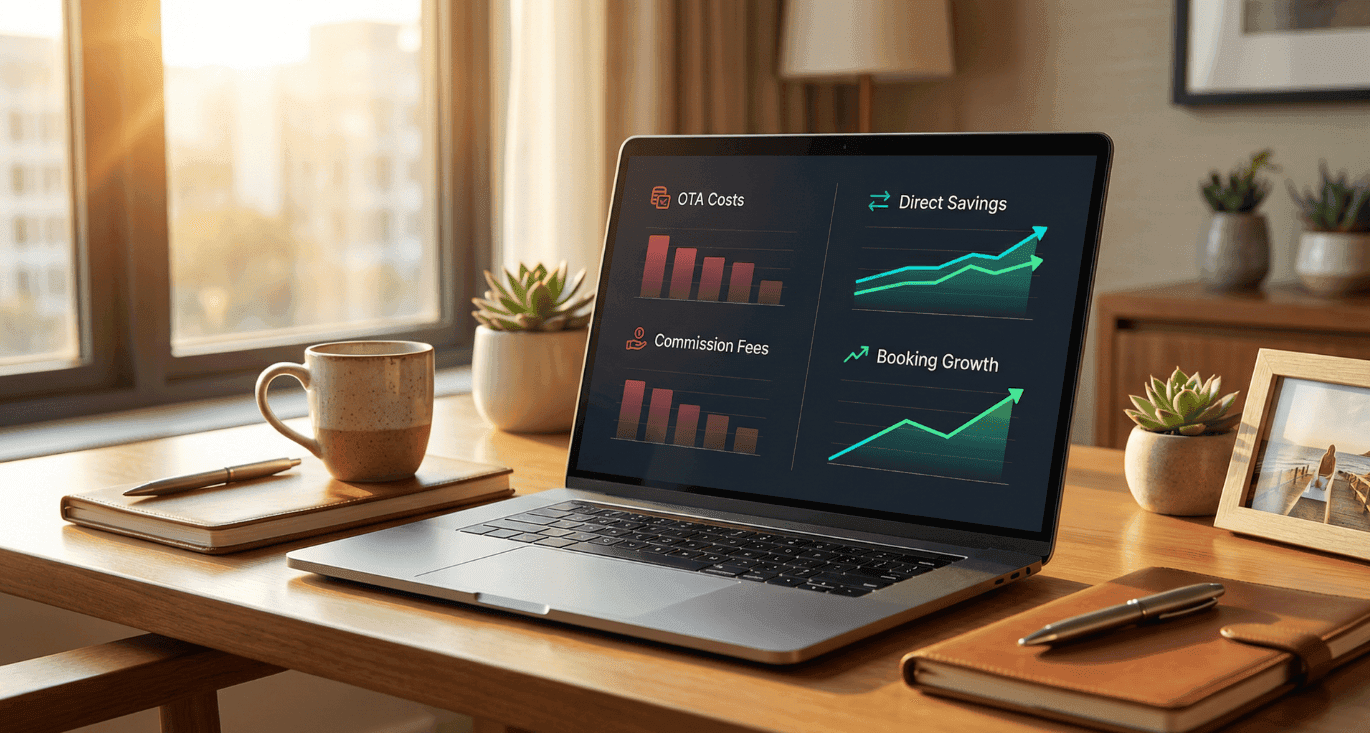
AI Khách sạn và đặt phòng trực tiếp: cách AI cắt giảm sự phụ thuộc OTA
Các khách sạn đang mất 15-30% doanh thu cho hoa hồng OTA, nhưng AI cung cấp giải pháp thay đổi cuộc chơi để chuyển đặt phòng sang các kênh trực tiếp. Các công cụ AI của Vertize, như chatbot website, tin nhắn cho khách lặp lại và tác nhân giọng nói 24/7, chuyển đổi người duyệt web thành người đặt phòng, cắt giảm sự phụ thuộc vào các nền tảng bên thứ ba tốn kém.
AI Khách sạn và đặt phòng trực tiếp: cách AI cắt giảm sự phụ thuộc OTA
TL;DR: Các khách sạn phải trả 15 đến 30% hoa hồng cho mỗi đặt phòng qua OTA (công ty lữ hành trực tuyến), nhưng hầu hết đầu tư AI tập trung vào vận hành thay vì phân phối. Ba cơ chế AI chuyển đổi đặt phòng sang kênh trực tiếp: chatbot website chuyển đổi người duyệt web bằng dữ liệu PMS thời gian thực, tin nhắn biến khách OTA thành khách lặp lại trực tiếp, và tác nhân giọng nói thu thập đặt phòng qua điện thoại 24/7 với hoa hồng bằng không. Mỗi cơ chế chuyển doanh thu từ hoa hồng sang biên lợi nhuận ròng.
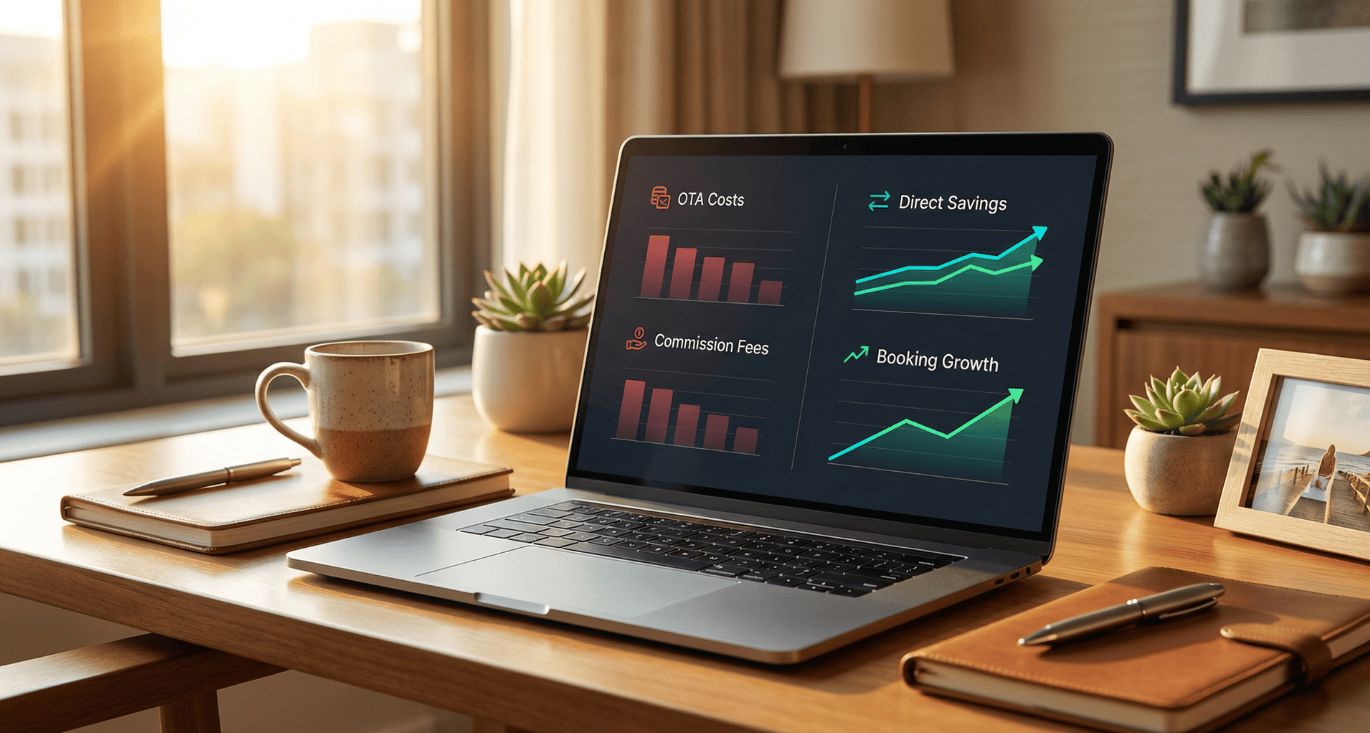
Mọi chủ khách sạn đều biết phép tính. Hoa hồng trả cho OTA (công ty lữ hành trực tuyến như Booking.com, Expedia và Airbnb) là chi phí biến đổi lớn nhất trong phân phối khách sạn, chiếm 15 đến 25% mỗi đặt phòng bên thứ ba. Đối với hầu hết khách sạn độc lập, OTA hiện chiếm hơn 60% đặt phòng. Ngành công nghiệp trả ước tính 47 tỷ USD mỗi năm cho hoa hồng OTA. Tuy nhiên, cuộc trò chuyện về AI đặt phòng trực tiếp cho khách sạn hầu như chưa bắt đầu. Hầu hết đầu tư AI trong lĩnh vực khách sạn hướng đến quản lý doanh thu, tối ưu hóa dọn phòng và dự báo. Không phải hướng đến vấn đề có tác động biên lợi nhuận lớn nhất: cách khách đặt phòng.
Đây không phải là lập luận để từ bỏ OTA. Chúng mang lại giá trị thực thông qua khả năng hiển thị, phạm vi tiếp cận và nhu cầu phút cuối. Hiệu ứng bảng quảng cáo đã được ghi nhận rõ ràng: khoảng 65% người đặt phòng trực tiếp lần đầu tiên biết đến khách sạn qua OTA. Mục tiêu không phải là đặt phòng OTA bằng không. Mục tiêu là một sự pha trộn phân phối lành mạnh hơn, chuyển từ 60/40 nghiêng về OTA sang gần 45/55, nơi kênh trực tiếp gánh vác trọng lượng của mình. AI làm cho sự chuyển dịch đó trở nên khả thi bằng cách tạo ra ba khoảnh khắc chuyển đổi mới mà các chiến lược đặt phòng trực tiếp truyền thống không thể sao chép.
Chi phí hoa hồng OTA thực sự đang tốn kém bao nhiêu cho khách sạn của bạn?
Chi phí hoa hồng OTA vượt xa tỷ lệ phần trăm tiêu đề. Một khách sạn trả 18% trên Booking.com, 20% trên Expedia và chạy 60% đặt phòng qua các kênh này mất một phần đáng kể doanh thu gộp trước khi tính đến bất kỳ chi phí vận hành nào. Chi phí thực sự bao gồm dữ liệu khách bị che giấu, tỷ lệ hủy phòng tăng cao và khả năng linh hoạt giá bị hạn chế.
Các con số tăng nhanh chóng. Booking.com tính 15 đến 18% ở mức cơ bản, tăng lên 25% với các gói tăng cường khả năng hiển thị và chương trình đối tác ưu tiên. Các nền tảng Expedia Group lấy trung bình 15 đến 20%. Ví dụ cụ thể: một khách sạn 200 phòng với tỷ lệ lấp đầy 65% ở ADR 160 USD với 55% đặt phòng qua OTA ở mức hoa hồng trung bình 18% trả khoảng 752.000 USD mỗi năm chỉ riêng hoa hồng OTA.
Nhưng hoa hồng chỉ là chi phí nhìn thấy được. Tỷ lệ hủy phòng OTA chạy ở mức khoảng 50% trên các nền tảng Booking Holdings so với 18% cho đặt phòng trực tiếp, nghĩa là khách sạn xử lý lượng hàng tồn kho ảo khổng lồ. OTA che giấu địa chỉ email khách bằng bí danh proxy, cắt đứt mối quan hệ khách của khách sạn. Dữ liệu Triptease cho thấy khách sạn bị OTA hạ giá trên metasearch 30% thời gian, và khi tỷ lệ ngang bằng bị phá vỡ, tỷ lệ chuyển đổi công cụ đặt phòng giảm hơn một phần ba. Các khách sạn hợp tác với D-EDGE đạt chi phí phân phối trực tiếp trung bình chỉ 3,5%, so với phạm vi 15 đến 25% của OTA.
Khoảng cách doanh thu mỗi đặt phòng cũng rõ rệt không kém. Phân tích của SiteMinder trên hơn 125 triệu đặt phòng cho thấy đặt phòng trực tiếp tạo ra 519 USD doanh thu trung bình mỗi đặt phòng so với 320 USD cho đặt phòng OTA. Đó là mức cao hơn 60%, được thúc đẩy bởi thời gian lưu trú dài hơn, hạng phòng cao hơn và doanh thu phụ trợ mà cá nhân hóa được hỗ trợ bởi AI nắm bắt hiệu quả hơn nhiều.
Tại sao các chiến lược đặt phòng trực tiếp truyền thống chưa thu hẹp được khoảng cách?
Các chiến lược đặt phòng trực tiếp truyền thống mang lại kết quả đo lường được nhưng đối mặt với những hạn chế cố hữu. Tối ưu hóa công cụ đặt phòng, đảm bảo giá tốt nhất, chương trình khách hàng thân thiết và quảng cáo metasearch đều cải thiện kênh trực tiếp mà không thay đổi cơ bản khoảnh khắc quyết định đặt phòng. Phễu chuyển đổi vẫn khắt khe, và các khách sạn độc lập thiếu quy mô để cạnh tranh với ngân sách tiếp thị của OTA.
Tỷ lệ chuyển đổi website khách sạn trung bình chỉ 1,5 đến 2,5%, với khách sạn độc lập thường dưới 1%. Ngay cả những người đạt thành tích cao hiếm khi vượt quá 5 đến 6%. Phễu đặt phòng rất khắc nghiệt: trong 100 khách truy cập website, khoảng 42 kiểm tra tình trạng phòng trống, chỉ 9 tiếp tục sau khi xem giá, 7,5 tiến hành thanh toán, và chỉ 2,2 hoàn tất đặt phòng. Đây không phải là vấn đề lưu lượng truy cập. Đó là vấn đề chuyển đổi tại điểm quyết định.
Metasearch đã trở thành kênh thu hút trực tiếp chiếm ưu thế, tạo ra 39% doanh thu trực tiếp được thúc đẩy bởi quảng cáo theo D-EDGE. Nhưng CPC đã tăng hơn gấp đôi, và OTA thường xuyên vượt giá thầu khách sạn trên các từ khóa thương hiệu của chính họ. Chương trình khách hàng thân thiết mang lại tới 60% doanh thu khách sạn cao cấp, với thành viên có khả năng đặt lại cao gấp 8 lần, nhưng chúng đòi hỏi quy mô mà hầu hết các cơ sở độc lập và trung cấp không thể đạt được. Dữ liệu CBRE cho thấy phí chương trình khách hàng thân thiết chạy khoảng 5,46 USD mỗi phòng đã bán.
Các chiến lược này tối ưu hóa các kênh hiện có. Chúng không tạo ra các khoảnh khắc chuyển đổi mới. Đó là nơi AI lấp đầy khoảng trống, bằng cách tương tác với khách trong các cuộc trò chuyện thời gian thực qua các kênh chat, giọng nói và tin nhắn mà công cụ đặt phòng truyền thống không thể sao chép.
Làm thế nào chatbot AI biến người duyệt web thành người đặt phòng trực tiếp?
Một concierge AI tích hợp với PMS của khách sạn chuyển đổi khách truy cập website do dự thành người đặt phòng trực tiếp đã xác nhận bằng cách trả lời các câu hỏi về tình trạng phòng trống và giá cả theo thời gian thực, loại bỏ ma sát khiến hơn 97% khách truy cập rời đi mà không đặt phòng. Khi kết nối với PMS qua API hai chiều, chatbot không chuyển hướng đến công cụ đặt phòng. Nó hoàn tất đặt phòng ngay trong cuộc trò chuyện.
Vấn đề cốt lõi là các câu hỏi không được trả lời. Khách tiềm năng muốn biết về chỗ đỗ xe, chính sách thú cưng, chi tiết phòng, phương tiện giao thông địa phương và các lựa chọn nhà hàng. Khi những câu hỏi đó không được trả lời, khách truy cập rời đi. Chatbot AI phản hồi trong chưa đầy hai giây, so với mức trung bình ngành 12 phút cho chat trực tiếp của con người. Nó hoạt động 24/7, với mức sử dụng cao điểm từ 8 giờ tối đến 11 giờ tối, đúng lúc nhân viên lễ tân ít có mặt nhất.
Tác động chuyển đổi nhất quán theo các nguồn ngành. Các khách sạn triển khai chatbot AI báo cáo tăng 15 đến 35% đặt phòng trực tiếp, với nghiên cứu 2024 của Phocuswright chỉ ra mức tăng trung bình 15 đến 20% doanh thu đặt phòng trực tiếp. Dữ liệu liên ngành từ Glassix cho thấy khách truy cập được hỗ trợ bởi chatbot chuyển đổi ở mức 12,3% so với 3,1% không có chat, cải thiện gấp 4 lần. Một nhóm khách sạn cỡ trung bình ghi nhận tăng 22% đặt phòng trực tiếp trong sáu tháng cùng với giảm 40% khối lượng cuộc gọi.
Yếu tố khác biệt quan trọng là độ sâu tích hợp PMS. Chatbot không có quyền truy cập thời gian thực vào tình trạng phòng trống và giá cả chỉ là trang FAQ chuyển hướng khách truy cập đến công cụ đặt phòng, tái giới thiệu ma sát mà nó được thiết kế để loại bỏ. Tích hợp PMS hai chiều biến chatbot từ công cụ chuyển hướng thành kênh doanh thu trực tiếp. Nó đọc tình trạng phòng trống và giá cả, tạo đặt phòng, xử lý thanh toán và cập nhật trình quản lý kênh ngay lập tức.
Làm thế nào tin nhắn AI chuyển đổi khách OTA thành khách lặp lại trực tiếp?
Tin nhắn khách được hỗ trợ bởi AI trong suốt hành trình lưu trú chuyển đổi khách thu được qua OTA thành người đặt phòng trực tiếp cho lần ghé thăm tiếp theo. Cơ chế hoạt động qua các điểm chạm trước khi đến, trong lúc lưu trú và sau khi rời đi, xây dựng mối quan hệ trực tiếp mà OTA không thể sao chép. Theo thời gian, điều này tạo ra sự chuyển dịch tích lũy trong sự pha trộn phân phối giúp giảm chi phí hoa hồng với mỗi chu kỳ.
Con đường đơn giản. Một khách đặt phòng qua OTA. Khách sạn thu thập email thực của họ trong quá trình check-in trực tuyến hoặc tại lễ tân, điều này được phép về mặt pháp lý vì khách sạn sở hữu dữ liệu thu thập trực tiếp từ khách trong quá trình lưu trú. Khách sạn sau đó triển khai tin nhắn được hỗ trợ bởi AI qua WhatsApp, SMS hoặc email: lời chào trước khi đến với chi tiết check-in và ưu đãi upsell, tin nhắn dịch vụ trong lúc lưu trú, và theo dõi sau khi rời đi với ưu đãi đặt phòng trực tiếp cho lần ghé thăm tiếp theo.
WhatsApp là kênh được lựa chọn, với tỷ lệ mở 70 đến 80% và tỷ lệ phản hồi 35 đến 60%, so với 1 đến 5% cho email. Chiến dịch thu hút lại nhắm mục tiêu khách OTA đã nghỉ ngơi thu hồi 15 đến 20% trong 90 ngày (điểm chuẩn ngành, nguồn từ nhà cung cấp). Một khu nghỉ dưỡng cao cấp đã chuyển đổi hơn 160 khách OTA trước đây thành khách lặp lại trực tiếp trong 10 tháng. Một nhóm khách sạn giảm tỷ lệ kênh đặt phòng bên ngoài lên đến 20 điểm phần trăm trên toàn danh mục thông qua việc xây dựng mối quan hệ khách có hệ thống.
Môi trường quy định ngày càng hỗ trợ chiến lược này. Định danh Booking.com là cổng kiểm soát theo Đạo luật Thị trường Kỹ thuật số EU đã loại bỏ nghĩa vụ tỷ lệ ngang bằng trên toàn EEA kể từ tháng 7 năm 2024. Bỉ cấm tỷ lệ ngang bằng từ năm 2018. Khách sạn hiện có thể hợp pháp cung cấp giá tốt hơn qua các kênh trực tiếp, và AI có thể lắp ráp các gói cá nhân hóa vượt xa những gì OTA có thể cung cấp, kết hợp phòng, ăn uống, spa và trải nghiệm thành các gói không thể so sánh trực tiếp trên OTA, nơi hàng tồn kho được bán dưới dạng đêm phòng độc lập. Khách lặp lại được tạo ra thông qua cơ chế này chi tiêu nhiều hơn 22%, lưu trú lâu hơn 28% và hủy phòng ở mức khoảng một phần ba so với đặt phòng OTA.
Làm thế nào tác nhân giọng nói AI thu thập các đặt phòng lẽ ra bị mất?
Tác nhân giọng nói AI trả lời cuộc gọi điện thoại của khách sạn 24/7, kiểm tra tình trạng phòng trống PMS theo thời gian thực, tạo đặt phòng và xử lý thanh toán, chuyển đổi mọi cuộc gọi thành đặt phòng trực tiếp không hoa hồng. Các cuộc gọi điện thoại đại diện cho kênh trực tiếp có giá trị cao nhất nhưng bị bỏ qua nhiều nhất, với người gọi từ website khách sạn tạo ra doanh thu cao gấp 6 lần so với công cụ đặt phòng website khi được quản lý đúng cách.
Vấn đề vận hành mang tính cấu trúc. Ước tính 30 đến 40% cuộc gọi điện thoại khách sạn không được trả lời (dữ liệu cụ thể theo khách sạn chính xác còn khan hiếm; con số 62% được trích dẫn rộng rãi xuất phát từ nghiên cứu liên ngành, không phải nghiên cứu dành riêng cho khách sạn). Hậu quả nghiêm trọng: 85% người gọi không liên lạc được với ai đó sẽ không gọi lại, và 80% cuộc gọi vào hộp thư thoại không dẫn đến tin nhắn. Với 87% khách sạn Mỹ vẫn đang vật lộn với tình trạng thiếu nhân sự (Deloitte 2025), các cuộc gọi nhỡ đại diện cho rò rỉ doanh thu vĩnh viễn. Khoảng 60% yêu cầu của khách đến ngoài giờ hành chính, khi đội ngũ lễ tân đang xử lý check-in và ca làm việc giảm.
Tác động doanh thu cho một cơ sở 200 phòng minh họa tiềm năng. Nếu khách sạn nhận 60 cuộc gọi mỗi ngày và bỏ lỡ 35% (21 cuộc gọi), tác nhân giọng nói AI thu hồi 15 trong số đó và chuyển đổi 35% thành đặt phòng tạo ra khoảng 5 đặt phòng trực tiếp bổ sung mỗi ngày. Với giá trị đặt phòng trung bình 280 USD cho hai đêm, điều đó đại diện cho khoảng 511.000 USD doanh thu trực tiếp thu hồi hàng năm với hoa hồng OTA bằng không. Ngay cả ước tính bảo thủ, với 10 cuộc gọi thu hồi và tỷ lệ chuyển đổi 25%, mang lại khoảng 256.000 USD mỗi năm. Các khách sạn sử dụng trợ lý giọng nói AI báo cáo giảm 80% cuộc gọi nhỡ và tăng 25% doanh thu phụ trợ.
Điều gì xảy ra khi cả ba kênh hoạt động cùng nhau?
Khi chat website, tin nhắn khách và giọng nói AI hoạt động như một hệ thống thống nhất kết nối với cùng một PMS, tác động nhân lên vượt xa những gì bất kỳ kênh đơn lẻ nào mang lại. Mỗi đặt phòng trực tiếp làm phong phú hồ sơ khách, mỗi cuộc trò chuyện thu thập dữ liệu sở thích, và mỗi lần lưu trú lặp lại củng cố mối quan hệ trực tiếp, tạo ra bánh đà giảm dần sự phụ thuộc OTA.
Chưa có nghiên cứu có thẩm quyền nào đo lường tác động kết hợp của cả ba cơ chế được triển khai đồng thời. Đây là khoảng trống dữ liệu trung thực trong ngành. Tuy nhiên, bằng chứng định hướng mạnh mẽ: giao tiếp AI đa kênh tăng đặt phòng trực tiếp trực tuyến khoảng 10% trung bình (điểm chuẩn ngành). Phân tích nhóm năm cơ sở cho thấy chuyển 15% đặt phòng OTA sang trực tiếp tiết kiệm 180.000 euro hoa hồng, trong khi tái tương tác 5% cơ sở dữ liệu khách tạo ra 240.000 euro, tổng cộng 420.000 euro doanh thu thu hồi.
Đây là nơi nền tảng concierge AI thống nhất tạo ra lợi thế cấu trúc. Lynn của Vertize, ví dụ, kết hợp chat website, tác nhân giọng nói và tin nhắn qua hơn 50 ngôn ngữ và tất cả tích hợp PMS chính, vận hành mỗi kênh như kênh đặt phòng trực tiếp với dữ liệu tình trạng phòng trống và giá cả thời gian thực từ PMS. Tác động kết hợp, dựa trên các điểm chuẩn ngành, là tăng trưởng 8 đến 12% đặt phòng trực tiếp. Bánh đà dữ liệu tích lũy là rào cản cạnh tranh thực sự: OTA không thể sao chép trí tuệ khách hàng bên thứ nhất của khách sạn được xây dựng qua hàng nghìn cuộc trò chuyện AI.
Cơ chế đặt phòng trực tiếp
Không có AI | Với AI (không liên kết PMS) | Với AI + tích hợp PMS | Mức tăng điển hình | |
|---|---|---|---|---|
Tỷ lệ chuyển đổi website (khách truy cập thành đặt phòng) | 3 đến 4% (bot kiểu FAQ) | 4 đến 6% (đặt phòng đàm thoại) | Tỷ lệ chuyển đổi website (khách truy cập thành đặt phòng) | |
Tỷ lệ chuyển đổi đặt phòng qua điện thoại | AI định tuyến và phiên âm, không thể đặt phòng | AI trả lời 24/7, đặt phòng trực tiếp vào PMS | Tỷ lệ chuyển đổi đặt phòng qua điện thoại | |
Khách OTA thành khách lặp lại trực tiếp | Tin nhắn mẫu, cá nhân hóa hạn chế | Hành trình cá nhân hóa sử dụng hồ sơ khách | Khách OTA thành khách lặp lại trực tiếp | |
Thu thập đặt phòng ngoài giờ | Gần như không có (chỉ hộp thư thoại) | Chatbot thu thập khách tiềm năng để theo dõi | Chat + giọng nói hoàn tất đặt phòng 24/7 | 60%+ yêu cầu ngoài giờ |
Thu hồi đặt phòng bị bỏ | Dưới 18% qua email | Tin nhắn ý định thoát chung chung | Thu hồi đa kênh cá nhân hóa | Tỷ lệ thu hồi 30%+ |
Làm thế nào khám phá được hỗ trợ bởi AI đang thay đổi phân phối khách sạn?
Các nền tảng tìm kiếm được hỗ trợ bởi AI như ChatGPT, Perplexity và Google AI Overviews đang nổi lên như kênh khám phá và đặt phòng khách sạn mới. Các khách sạn có dữ liệu có cấu trúc, dấu chân kỹ thuật số mạnh mẽ và giao diện AI riêng được các nền tảng này tìm thấy và giới thiệu. Các khách sạn không có chúng có nguy cơ trở nên vô hình trong kênh khám phá phát triển nhanh nhất trong du lịch.
Lưu lượng truy cập từ nguồn AI đến các trang du lịch Mỹ tăng 1.700% giữa tháng 7 năm 2023 và tháng 2 năm 2024. Gần 30% du khách đã sử dụng AI tạo sinh để lập kế hoạch chuyến đi. Gartner dự đoán khối lượng công cụ tìm kiếm truyền thống sẽ giảm 25% vào năm 2026 do chatbot AI. Mặc dù độ lớn chính xác vẫn đang được tranh luận, sự chuyển dịch định hướng là có thật. Quan trọng là, lưu lượng tìm kiếm AI chuyển đổi ở mức cao gấp 4 đến 5 lần so với tìm kiếm Google truyền thống.
Nghiên cứu Cloudbeds về đề xuất khách sạn AI tiết lộ 55% tất cả trích dẫn trong phản hồi AI trỏ đến OTA, xác nhận sự thống trị của chúng như nguồn dữ liệu có cấu trúc. Website khách sạn chỉ chiếm 13,6% trích dẫn. Báo cáo "Khách sạn AI-First" của BCG/NYU (tháng 3 năm 2026) khung sự chuyển dịch từ "tìm kiếm và cuộn" sang "hỏi và đặt" và cảnh báo rằng khách sạn có nguy cơ trở thành "bóng ma kỹ thuật số" vắng mặt trong các đề xuất AI hàng đầu nếu không có dấu chân kỹ thuật số mạch lạc.
Cả Booking.com và Expedia đều đã ra mắt trợ lý AI trong hệ sinh thái ứng dụng ChatGPT, tạo ra điều mà các nhà phân tích gọi là "gián đoạn kép": thương hiệu OTA mờ dần khỏi tầm nhìn, nhưng cơ sở hạ tầng của nó vẫn kiếm được hoa hồng. Các khách sạn phát triển phân phối trực tiếp, có thể truy cập bởi AI, thông qua API mở, dữ liệu có cấu trúc và concierge AI riêng, bỏ qua lớp trung gian này hoàn toàn. Lynn giúp khách sạn không chỉ có thể tiếp cận qua các kênh truyền thống mà còn có thể khám phá và đặt phòng bởi các tác nhân AI, một sự chuyển dịch chiến lược phản ánh các cuộc chiến PMS đang diễn ra rộng rãi trong công nghệ khách sạn.
Làm thế nào tính toán tác động đặt phòng trực tiếp cho cơ sở của bạn
Công thức tiết kiệm hoa hồng cho đặt phòng trực tiếp được hỗ trợ bởi AI yêu cầu bốn đầu vào: tỷ lệ OTA/trực tiếp hiện tại của bạn, giá trung bình hàng ngày, tỷ lệ lấp đầy và tỷ lệ hoa hồng OTA trung bình. Đầu ra là khoản tiết kiệm hoa hồng hàng năm từ việc chuyển một tỷ lệ phần trăm nhất định đặt phòng OTA sang trực tiếp.
Đây là tính toán cho một cơ sở trung cấp đại diện:
Đầu vào: 150 phòng, tỷ lệ lấp đầy 68%, ADR 145 USD, 58% đặt phòng OTA, hoa hồng trung bình 18%.
Doanh thu OTA hàng năm: 150 phòng x 365 đêm x 68% lấp đầy x 58% tỷ lệ OTA x 145 USD ADR = 5.245.494 USD
Chi phí hoa hồng hàng năm hiện tại: 5.245.494 USD x 18% = 944.189 USD
Nếu AI chuyển 12% đặt phòng OTA sang trực tiếp: Đặt phòng được chuyển: 5.245.494 USD x 12% = 629.459 USD doanh thu Hoa hồng tiết kiệm: 629.459 USD x 18% = 113.303 USD mỗi năm Chi phí phân phối AI trên đặt phòng được chuyển (ước tính 4%): 629.459 USD x 4% = 25.178 USD Tiết kiệm hàng năm ròng: 88.125 USD
Khoản tiết kiệm ròng này không tính đến doanh thu trung bình cao hơn mỗi đặt phòng trực tiếp (519 USD so với 320 USD), tỷ lệ hủy phòng thấp hơn (18% so với 50%), doanh thu upsell từ các ưu đãi do AI khởi xướng, hoặc giá trị tích lũy của dữ liệu khách được thu thập để tái tương tác trực tiếp trong tương lai.
Hạng mục chi phí | Đặt phòng OTA | Trực tiếp (truyền thống) | Trực tiếp (hỗ trợ AI) |
Chi phí phân phối mỗi đặt phòng | 15 đến 25% (trung bình 18%) | 5 đến 12% (SEO, PPC, metasearch) | 3,5 đến 6% |
Doanh thu trung bình mỗi đặt phòng | 312 đến 320 USD | 516 đến 519 USD | 519+ USD (với upsell) |
Biên đóng góp | 82,7% | 90 đến 93% | 93,2%+ |
Tỷ lệ hủy phòng | 42 đến 50% | 18% | Dưới 18% |
Sở hữu dữ liệu khách | Email bị che giấu, không có CRM | Email đầy đủ, hồ sơ cơ bản | Hồ sơ đầy đủ được làm phong phú qua AI |
Tiềm năng upsell | Không có (OTA kiểm soát phễu) | Tiện ích bổ sung công cụ đặt phòng | Tỷ lệ chuyển đổi 15 đến 40% trên ưu đãi AI |
Xác suất đặt lại | Thấp (trung thành với OTA) | Trung bình | Cao (chi tiêu nhiều hơn 22%, lưu trú lâu hơn 28%) |
Muốn tính toán khoản tiết kiệm hoa hồng cho cơ sở của bạn? Đội ngũ Vertize có thể mô hình hóa tác động đặt phòng trực tiếp khi thêm Lynn vào ngăn xếp công nghệ của bạn, dựa trên tỷ lệ OTA/trực tiếp hiện tại và số lượng phòng của bạn.
OTA trong ngành khách sạn là gì?
OTA là viết tắt của online travel agency (công ty lữ hành trực tuyến). OTA là các nền tảng đặt phòng bên thứ ba như Booking.com, Expedia và Airbnb bán phòng khách sạn cho du khách để đổi lấy hoa hồng trên mỗi đặt phòng, thường 15 đến 25% giá trị đặt phòng. Khách sạn niêm yết hàng tồn kho của họ trên OTA để có được khả năng hiển thị và tiếp cận du khách có thể không tìm thấy website của họ trực tiếp, nhưng mọi đặt phòng được thực hiện qua OTA tốn kém cho khách sạn nhiều hơn đáng kể so với đặt phòng trực tiếp qua website, đường dây điện thoại hoặc kênh tin nhắn của chính khách sạn.
AI có thể tăng đặt phòng trực tiếp cho khách sạn bao nhiêu?
Các điểm chuẩn ngành chỉ ra tăng trưởng 8 đến 12% đặt phòng trực tiếp khi AI được triển khai qua các kênh chat website, giọng nói và tin nhắn với tích hợp PMS đầy đủ. Kết quả cá nhân thay đổi theo loại cơ sở, tỷ lệ OTA/trực tiếp hiện tại và độ sâu triển khai. Mức tăng cao nhất đến từ các cơ sở có sự phụ thuộc OTA cao (trên 55%) và tỷ lệ chuyển đổi website hiện tại thấp (dưới 2%).
Việc chuyển đặt phòng từ OTA sang trực tiếp có làm giảm khả năng hiển thị không?
Không khi được quản lý một cách chiến lược. Hiệu ứng bảng quảng cáo là có thật: khoảng 65% người đặt phòng trực tiếp lần đầu tiên tìm thấy khách sạn qua OTA. Mục tiêu không phải là loại bỏ sự hiện diện OTA mà là củng cố kênh trực tiếp để nó chuyển đổi tỷ lệ lớn hơn nhu cầu mà OTA giúp tạo ra. Sự chuyển dịch từ 60/40 sang 45/55 OTA/trực tiếp giảm phơi nhiễm hoa hồng mà không hy sinh khả năng khám phá.
Chatbot AI có thể hoàn tất đặt phòng khách sạn đầy đủ bao gồm thanh toán không?
Có, khi tích hợp với cả PMS và cổng thanh toán. Chatbot AI tích hợp PMS kiểm tra tình trạng phòng trống và giá cả thời gian thực, tạo đặt phòng, xử lý thanh toán và gửi xác nhận, tất cả trong cùng một cuộc trò chuyện. Không có tích hợp PMS, chatbot chỉ có thể trả lời FAQ và chuyển hướng đến công cụ đặt phòng, điều này tái giới thiệu ma sát gây ra sự bỏ cuộc.
Có thể chuyển đổi khách OTA thành người đặt phòng trực tiếp không?
Có. Khách sạn thu thập email thực của khách trong quá trình check-in (không phải địa chỉ proxy OTA), sau đó triển khai tin nhắn được hỗ trợ bởi AI trong suốt quá trình lưu trú và sau khi rời đi. Các chiến dịch thu hút lại thu hồi 15 đến 20% khách đã nghỉ ngơi trong 90 ngày (điểm chuẩn từ nhà cung cấp). Chìa khóa là xây dựng mối quan hệ trực tiếp thông qua dịch vụ cá nhân hóa mà OTA không thể sao chép.
Tác nhân giọng nói AI xử lý đặt phòng trực tiếp như thế nào?
Tác nhân giọng nói AI trả lời cuộc gọi ngay lập tức, phát hiện ngôn ngữ của khách, truy vấn PMS để có tình trạng phòng trống và giá cả thời gian thực, hướng dẫn người gọi qua các lựa chọn phòng, tạo đặt phòng, xử lý thanh toán và gửi xác nhận qua SMS hoặc email. Toàn bộ đặt phòng được nhập vào PMS như đặt phòng trực tiếp với hoa hồng OTA bằng không.
Tích hợp PMS nào cần thiết cho đặt phòng trực tiếp được hỗ trợ bởi AI?
Đặt phòng trực tiếp được hỗ trợ bởi AI hiệu quả yêu cầu tích hợp PMS hai chiều qua API REST mở: đọc tình trạng phòng trống và giá cả theo thời gian thực, và ghi đặt phòng trực tiếp vào PMS. Các nền tảng đám mây hiện đại như Mews, Cloudbeds, Oracle OPERA Cloud và Apaleo hỗ trợ điều này thông qua API thị trường của họ. Tích hợp cơ bản mất 3 đến 4 tuần; triển khai toàn diện qua chat, giọng nói và tin nhắn mất nhiều thời gian hơn tùy thuộc vào ngăn xếp công nghệ hiện có của cơ sở.
Bao lâu trước khi các chiến lược đặt phòng trực tiếp được hỗ trợ bởi AI cho thấy kết quả?
Các triển khai AI tập trung vào doanh thu (chuyển đổi đặt phòng trực tiếp, upsell, định giá động) thường cho thấy ROI đo lường được trong 4 đến 8 tháng. Mức tăng chuyển đổi chatbot website thường thấy rõ trong vòng vài tuần triển khai. Con đường chuyển đổi khách OTA sang trực tiếp mất nhiều thời gian hơn, vì nó phụ thuộc vào chu kỳ đặt phòng lặp lại, thường cho thấy kết quả có ý nghĩa sau 6 đến 12 tháng.
Related posts
Làm thế nào AI đang thay thế sự phụ thuộc OTA: dữ liệu đằng sau sự chuyển dịch sang đặt phòng trực tiếp của khách sạn
OTA âm thầm làm hao hụt 15-25% mỗi đặt phòng của khách sạn, nhưng concierge AI hiện chuyển đổi lưu lượng trang web, xử…
Tin tức AI từ nhà cung cấp PMS khách sạn Q2 2026: Ứng dụng ChatGPT của Wyndham, Choice Hotels x AWS, và ý nghĩa đối với hệ thống của bạn
Q2 2026 đã làm rõ một sự thật không thể tránh khỏi: các chuỗi và nhà cung cấp PMS đang tiến nhanh về AI phân phối và vậ…
Bộ nhớ sở thích khách sạn: cách AI xây dựng hồ sơ qua mỗi kỳ lưu trú (không gây khó chịu)
Khám phá cách AI biến đổi trải nghiệm khách khách sạn bằng cách xây dựng bộ nhớ sở thích ghi nhớ nhu cầu cá nhân qua mỗ…
Sẵn sàng chuyển đổi khách sạn của bạn?
Đặt cuộc gọi chiến lược miễn phí và xem chính xác cách Lynn sẽ hoạt động tại khách sạn của bạn.