
วิธีผสานรวมแชทบอท AI กับ PMS ของโรงแรม (ทีละขั้นตอน)
เปลี่ยนประสบการณ์แขกของโรงแรมของคุณโดยการผสานรวมแชทบอท AI กับระบบจัดการทรัพย์สิน (PMS) ของคุณโดยใช้วิธีการทีละขั้นตอนที่พิสูจน์แล้วของ Vertize จากการแมปข้อมูลที่จำเป็นไปจนถึงการปรับใช้โฟลว์การสนทนาเรียลไทม์ ค้นพบว่า Lynn AI concierge ของเราสามารถใช้งานได้จริงในเพียงสองสัปดาห์ ขับเคลื่อนรายได้และปลดปล่อยทีมของคุณสำหรับสิ่งที่สำคัญที่สุด
วิธีผสานรวมแชทบอท AI กับ PMS ของโรงแรม (ทีละขั้นตอน)
TL;DR: การผสานรวมแชทบอท AI กับ PMS ของโรงแรมต้องใช้ห้าขั้นตอน: แมปข้อมูล PMS ที่แชทบอทต้องการ (การจอง โปรไฟล์แขก สถานะห้อง บิลลิ่ง ความพร้อมใช้งาน) เลือกสถาปัตยกรรมการผสานรวม (API โดยตรง มิดเดิลแวร์ หรือคอนเนกเตอร์สำเร็จรูป) กำหนดค่าการซิงค์ข้อมูลเรียลไทม์ สร้างโฟลว์การสนทนาสำหรับแต่ละเฟสของการเดินทางของแขก และปรับใช้ผ่านการทดลองแบบค่อยเป็นค่อยไป ด้วยแพลตฟอร์มที่เหมาะสม คุณสมบัติส่วนใหญ่จะใช้งานได้จริงภายในสองสัปดาห์.
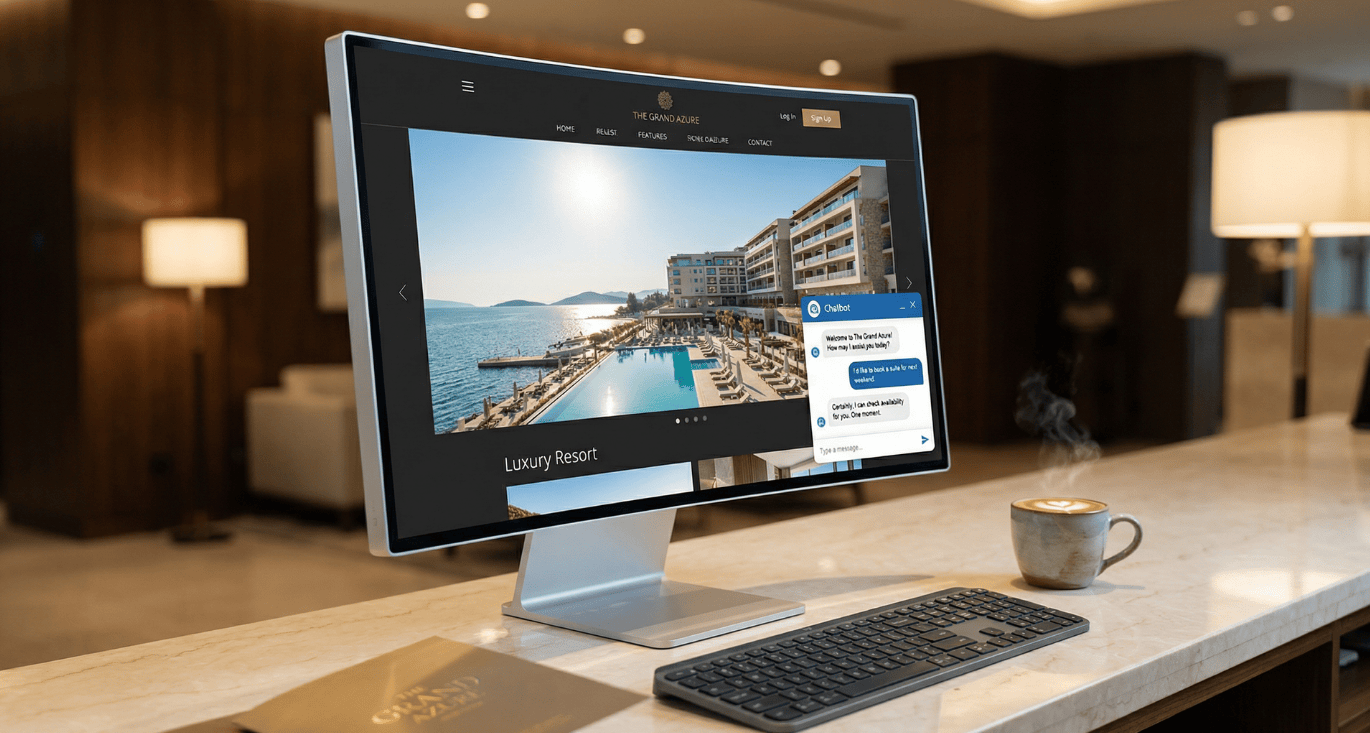
แชทบอท AI ที่ไม่มี PMS integration เป็นเพียงหน้า FAQ ที่ดูดีเท่านั้น เพื่อเปลี่ยนให้เป็น AI concierge จริงที่รู้จักแขก ดึงข้อมูลการจองสด และปรับแต่งทุกปฏิสัมพันธ์ คุณต้องมีการเชื่อมต่อสองทางแบบเรียลไทม์ระหว่างแชทบอทและระบบจัดการทรัพย์สินของคุณ คู่มือนี้จะพาคุณผ่านกระบวนการผสานรวมทั้งหมด: จากการเข้าใจสถาปัตยกรรมข้อมูล PMS ไปจนถึงการใช้งานจริงและการเพิ่มประสิทธิภาพ
โรงแรมในปี 2026 ผ่านพ้นคำถาม "เราควรใช้ AI หรือไม่?" คำถามจริงคือวิธีเชื่อมต่อ AI กับระบบที่ขับเคลื่อนทรัพย์สินของคุณจริงๆ ประมาณ 79% ของธุรกิจการบริการได้นำ AI มาใช้หรือกำลังสำรวจอย่างจริงจัง แต่มีเพียงประมาณหนึ่งในสามที่ระบุว่า AI ถูกฝังอยู่ในปฏิบัติการส่วนใหญ่ ช่องว่างระหว่างการมีแชทบอทกับการมี AI concierge ที่ผสานรวมคือจุดที่ทรัพย์สินส่วนใหญ่ติดขัด
ที่ Vertize เราได้สร้างและปรับใช้การผสานรวมเหล่านี้กับ Oracle OPERA, Mews, Cloudbeds และแพลตฟอร์ม PMS อื่นๆ อีกมากมาย คู่มือนี้สรุปสิ่งที่เราได้เรียนรู้เป็นเส้นทางทีละขั้นตอนที่ชัดเจนจากแชทบอทที่ไม่เชื่อมต่อไปสู่ AI concierge ที่ผสานกับ PMS ซึ่งจัดการคำขอของแขก ขับเคลื่อนรายได้จากการขายเพิ่ม และปลดปล่อยทีมของคุณให้มุ่งเน้นสิ่งที่มนุษย์ทำได้ดีที่สุด
เหตุใด PMS integration จึงกำหนดความสำเร็จหรือล้มเหลวของแชทบอทโรงแรม?
แชทบอทที่ไม่สามารถเข้าถึงข้อมูล PMS ของคุณได้สามารถตอบคำถามทั่วไปได้เท่านั้น: เวลาเช็คอิน ทิศทางที่จอดรถ เวลาอาหารเช้า มันทำงานในสุญญากาศ ทันทีที่คุณเชื่อมต่อกับข้อมูล PMS สด มันจะกลายเป็นสิ่งที่แตกต่างโดยพื้นฐาน: AI concierge ที่รู้ว่าแขกคือใคร ห้องที่จองไว้ สถานะสมาชิก และโอกาสขายเพิ่มที่เหมาะกับโปรไฟล์ของพวกเขา
ความแตกต่างไม่ใช่ทีละน้อย มันคือความแตกต่างระหว่างแขกพิมพ์หมายเลขยืนยันในหน้าต่างแชทกับ AI concierge อย่าง Lynn ทักทายพวกเขาด้วยชื่อบน WhatsApp ยืนยันสวีทวิวทะเล และเสนอเช็คอินก่อนกำหนดเพราะเห็นว่าห้องสะอาดแล้วใน PMS
PMS integration แบบเรียลไทม์เปิดใช้งานสามสิ่งที่แชทบอทแบบสแตนด์อโลนทำไม่ได้ ประการแรก การรู้จักแขก: จับคู่หมายเลขโทรศัพท์ อีเมล หรือ WhatsApp ID ที่เข้ามากับโปรไฟล์ PMS ที่มีอยู่ ประการที่สอง ความสามารถในการทำธุรกรรม: แก้ไขการจอง ประมวลผลคำขอเช็คเอาต์ช้า หรือโพสต์ค่าธรรมเนียมขายเพิ่มไปยังบัญชีแขกโดยตรง ประการที่สาม การปรับแต่งตามบริบท: เสนอแพ็คเกจสปาให้คู่รักครบรอบ ไม่ใช่นักเดินทางธุรกิจที่เช็คเอาต์ในสี่ชั่วโมง
หากไม่มีการเชื่อมต่อนี้ แชทบอทของคุณคือศูนย์ต้นทุน ด้วยมัน มันกลายเป็นเครื่องมือสร้างรายได้ ข้อมูลอุตสาหกรรมชี้ว่า AI-driven upselling ดีกว่าวิธีดั้งเดิมอย่างมีนัยสำคัญ และการแปลงการจองโดยตรงดีขึ้นอย่างวัดได้เมื่อแขกสามารถทำธุรกรรมภายในบทสนทนาได้
ขั้นตอนที่ 1: ข้อมูล PMS ใดที่แชทบอทของคุณต้องการจริงๆ?
ก่อนเขียนโค้ดการผสานรวมแม้แต่บรรทัดเดียว คุณต้องแมปหมวดหมู่ข้อมูลที่ AI chatbot ต้องการอย่างแม่นยำ ไม่ใช่ข้อมูล PMS ทั้งหมดที่เกี่ยวข้อง และการขอมากกว่าที่ต้องการสร้างความเสี่ยงด้านความปลอดภัยที่ไม่จำเป็นและทำให้การเรียก API ช้าลง
มีห้าหมวดหมู่ข้อมูลหลักที่ขับเคลื่อนแชทบอท AI โรงแรมที่มีประสิทธิภาพ เหล่านี้คือหมวดหมู่เดียวกับที่ Lynn ดึงจากทุก PMS ที่เชื่อมต่อ และครอบคลุมปฏิสัมพันธ์ของแขกส่วนใหญ่
ข้อมูลการจอง คือรากฐาน แชทบอทของคุณต้องการวันที่มาถึงและออก หมายเลขยืนยัน ประเภทห้อง รหัสราคา จำนวนแขก และสถานะการจอง (ยืนยัน เช็คอิน เช็คเอาต์ ยกเลิก) นี่คือสิ่งที่ช่วยให้ตอบคำถามแขกที่พบบ่อยที่สุดโดยไม่ต้องเกี่ยวข้องกับพนักงาน
โปรไฟล์แขกและข้อมูลตัวตน เปิดใช้งานการรู้จักและการปรับแต่ง รวมถึงชื่อ อีเมล หมายเลขโทรศัพท์ การตั้งค่าภาษา ระดับสมาชิก และประวัติการเข้าพัก เมื่อแขกส่งข้อความบน WhatsApp AI concierge จะจับคู่หมายเลขโทรศัพท์กับโปรไฟล์ PMS และรู้ทันทีว่ากำลังพูดกับใคร Lynn ใช้ข้อมูลนี้เพื่อตรวจจับภาษาที่แขกต้องการโดยอัตโนมัติและตอบกลับในกว่า 50 ภาษา
ข้อมูลสถานะห้องและแม่บ้าน ทำให้เช็คอินก่อนกำหนดและเช็คเอาต์ช้าเป็นไปได้แบบเรียลไทม์ แชทบอทต้องเห็นสถานะห้อง (สะอาด สกปรก ตรวจสอบแล้ว) และสถานะการเข้าพัก (ว่าง ถูกครอบครอง) เพื่อให้คำตอบที่ซื่อสัตย์เมื่อแขกถามว่าห้องพร้อมหรือยัง
ข้อมูลบัญชีและการเรียกเก็บเงิน รองรับการเช็คเอาต์ การสอบถามการชำระเงิน และการโพสต์การขายเพิ่ม แชทบอทควรสามารถดึงยอดบัญชี โพสต์ค่าธรรมเนียมสำหรับการอัพเกรดห้องที่แขกรับผ่านแชท และส่งใบแจ้งหนี้ดิจิทัลไปยังอีเมลแขก การเข้าถึงบัญชีสองทางนี้คือสิ่งที่เปลี่ยน AI การสนทนาให้เป็นช่องทางรายได้ที่แท้จริง
ข้อมูลราคาและความพร้อมใช้งาน เปลี่ยนแชทบอทให้เป็นช่องทางการจองโดยตรง การเข้าถึงสินค้าคงคลังและราคาสดช่วยให้ตอบคำถามความพร้อมใช้งานและแปลงการสอบถามเป็นการจองที่ยืนยันโดยไม่ต้องเปลี่ยนเส้นทางแขกไปยังเครื่องมือจอง
แมปหมวดหมู่เหล่านี้กับเอกสาร API ของ PMS ของคุณก่อนเริ่มพัฒนา PMS คลาวด์หลักทุกตัวเปิดเผยจุดข้อมูลเหล่านี้ผ่าน REST APIs แต่โครงสร้าง endpoint ที่แน่นอนและโฟลว์การตรวจสอบสิทธิ์แตกต่างกันตามแพลตฟอร์ม
ขั้นตอนที่ 2: แพลตฟอร์ม PMS หลักจัดการการผสานรวมแชทบอทอย่างไร?
เส้นทางเทคนิคขึ้นอยู่กับ PMS ที่คุณใช้ ข่าวดี: PMS คลาวด์หลักทุกตัวในปี 2026 มี open APIs ที่ออกแบบมาสำหรับการผสานรวมแบบนี้อย่างแม่นยำ แนวทางแตกต่างกัน แต่หลักการเดียวกัน: PMS กลายเป็นชั้นโครงสร้างพื้นฐานที่ AI chatbot ของคุณเชื่อมต่อแบบเรียลไทม์
Oracle OPERA Cloud ใช้ Oracle Hospitality Integration Platform (OHIP) ซึ่งเปิดเผย endpoint API กว่า 3,000 รายการ สำหรับการผสานรวมแชทบอท คุณสมบัติที่สำคัญที่สุดคือ Streaming API ซึ่งใช้การเชื่อมต่อ WebSocket เพื่อผลักดันเหตุการณ์ทางธุรกิจ (เช็คอิน การเปลี่ยนแปลงการจอง การอัพเดทสถานะห้อง) ไปยังแชทบอทของคุณแบบเรียลไทม์ สิ่งนี้ขจัดความจำเป็นในการโพลอย่างต่อเนื่อง การตรวจสอบสิทธิ์ต้องการ OAuth token, Client ID และ Secret และ application key ที่ไม่ซ้ำกันที่ส่งในทุก request header ราคา OHIP เริ่มต้นที่ $10 สำหรับ 10,000 REST API transactions ต่อเดือนในรูปแบบ pay-as-you-go Lynn เชื่อมต่อกับ OPERA Cloud ผ่าน OHIP ซึ่งหมายความว่าทรัพย์สินบน Oracle ไม่จำเป็นต้องสร้างหรือบำรุงรักษาการผสานรวมแบบกำหนดเอง
Mews ใช้แนวทาง "ระบบปฏิบัติการ" ด้วย open API ที่สร้างควบคู่กับทุกฟีเจอร์ใหม่ Connector API จัดการการจอง โปรไฟล์แขก และการเรียกเก็บเงิน Mews ใช้ webhooks แบบเรียลไทม์เพื่อผลักดันการอัพเดทไปยังระบบที่เชื่อมต่อ ดังนั้นแชทบอทของคุณจะได้รับแจ้งทันทีเมื่อการจองเปลี่ยนแปลงหรือสถานะห้องอัพเดท Mews Marketplace แสดงการผสานรวมสำเร็จรูปกว่า 1,000 รายการ สำหรับ Vertize การผสานรวม Mews เป็นหนึ่งในที่จัดตั้งขึ้นมากที่สุด ด้วยการซิงค์ข้อมูลสองทางครอบคลุมห้าหมวดหมู่ข้อมูลทั้งหมดในขั้นตอนที่ 1
Cloudbeds ให้บริการทรัพย์สินอิสระและขนาดกลางด้วย API ที่รองรับการเรียก endpoint กว่า 50 รายการสำหรับการขยายตัวปฏิบัติการ Marketplace ของพวกเขามีพันธมิตรการผสานรวมกว่า 400 ราย และระบบนิเวศข้อมูลร่วมมือของพวกเขาช่วยให้ระบบที่ผสานรวมสามารถป้อนข้อมูลปฏิสัมพันธ์กลับไปยังโมเดล AI ของแพลตฟอร์มได้
แพลตฟอร์มอื่นๆ เช่น Stayntouch (open APIs ที่ปรับปรุงด้วย webhook พร้อมการเข้าถึงไม่จำกัด) Infor HMS (APIs ที่สอดคล้องกับ HTNG บน AWS) และแพลตฟอร์ม API-first เช่น Apaleo ล้วนปฏิบัติตามรูปแบบที่คล้ายกัน: REST APIs กับการตรวจสอบสิทธิ์ OAuth การรองรับ webhook สำหรับการอัพเดทเรียลไทม์ และพอร์ทัลนักพัฒนากับสภาพแวดล้อม sandbox สำหรับการทดสอบ
คำถามสำคัญเมื่อประเมินเส้นทางการผสานรวม PMS ของคุณคือไม่ใช่ "มันมี API หรือไม่?" แต่ "มันรองรับการซิงค์ข้อมูลสองทางแบบเรียลไทม์หรือไม่?" การเชื่อมต่อทางเดียวที่อ่านข้อมูลเท่านั้นทำให้แชทบอทของคุณไม่สามารถเขียนกลับไปยัง PMS ได้ หมายความว่าพนักงานยังคงต้องอัพเดทโปรไฟล์และบัญชีด้วยตนเองหลังจากทุกปฏิสัมพันธ์แชท
ขั้นตอนที่ 3: คุณควรเลือกสถาปัตยกรรมการผสานรวมแบบใด?
มีรูปแบบสถาปัตยกรรมหลักสามแบบสำหรับการเชื่อมต่อแชทบอทกับ PMS โรงแรม แต่ละแบบมีข้อแลกเปลี่ยนที่แตกต่างกันในด้านความเร็ว ต้นทุน และการบำรุงรักษา
การผสานรวม API โดยตรง เป็นการเชื่อมต่อแบบจุดต่อจุดระหว่าง AI chatbot ของคุณกับ PMS API ทีมพัฒนาของคุณเขียนตรรกะแบบกำหนดเองเพื่อเรียก endpoint PMS จัดการการตรวจสอบสิทธิ์ และประมวลผลการตอบกลับ แนวทางนี้ให้ประสิทธิภาพที่ดีที่สุดเพราะไม่มีชั้นกลางเพิ่ม latency มันทำงานได้ดีสำหรับทรัพย์สินที่ใช้แพลตฟอร์ม PMS เดียว ข้อเสีย: หากผู้จำหน่าย PMS อัพเดท API ของพวกเขา (Oracle ตัวอย่างเช่น เลิกใช้ endpoint เก่าเป็นประจำ) โค้ดแชทบอทของคุณต้องอัพเดททันทีเพื่อป้องกันการขัดข้อง
มิดเดิลแวร์หรือ iPaaS (Integration Platform as a Service) ทำหน้าที่เป็นชั้นแปลแบบรวมศูนย์ ข้อมูลทั้งหมดไหลจาก PMS ผ่านมิดเดิลแวร์ ซึ่งทำให้เป็นรูปแบบที่แชทบอทของคุณสามารถบริโภคได้ นี่เหมาะสำหรับกลุ่มโรงแรมที่ใช้หลายแพลตฟอร์ม PMS ทั่วทรัพย์สิน เพราะมิดเดิลแวร์จัดการความซับซ้อนเฉพาะแพลตฟอร์ม ข้อแลกเปลี่ยนคือต้นทุนใบอนุญาตเพิ่มเติมและชั้นสถาปัตยกรรมพิเศษที่ต้องบำรุงรักษา
คอนเนกเตอร์สำเร็จรูปจากแพลตฟอร์ม AI concierge เป็นเส้นทางที่เร็วที่สุดสำหรับทรัพย์สินส่วนใหญ่ แทนที่จะสร้างการผสานรวมแบบกำหนดเอง คุณปรับใช้ AI concierge ที่มีคอนเนกเตอร์ที่ทดสอบและบำรุงรักษาแล้วสำหรับ PMS ของคุณ นี่คือแนวทางที่ Vertize ใช้กับ Lynn: การเชื่อมต่อสำเร็จรูปกับ Oracle OPERA, Mews, Cloudbeds, Apaleo, Stayntouch, Protel, RoomRaccoon และอื่นๆ ดังนั้นทรัพย์สินของคุณไม่จำเป็นต้องมีทีมวิศวกรรมเพื่อเริ่มต้น ข้อแลกเปลี่ยนคือคุณทำงานภายในขีดความสามารถของแพลตฟอร์มแทนที่จะสร้างตั้งแต่เริ่มต้น
แนวทางที่สี่กำลังเกิดขึ้นในปี 2026: Model Context Protocol (MCP) MCP เป็นมาตรฐานเปิดที่ห่อหุ้ม APIs ที่มีอยู่เพื่อให้ AI agents สามารถค้นพบและบริโภคข้อมูลโรงแรมโดยไม่ต้องเขียนโค้ดแบบกำหนดเองต่อ endpoint คิดว่าเป็นอะแดปเตอร์สากลระหว่างระบบ AI และสแต็คเทคโนโลยีโรงแรม แม้ยังอยู่ในช่วงเริ่มต้นของการนำไปใช้ในอุตสาหกรรมการบริการ MCP ชี้ไปสู่อนาคตที่ความซับซ้อนของการผสานรวมลดลงอย่างมาก
สำหรับโรงแรมส่วนใหญ่ การเลือก AI concierge ที่มีคอนเนกเตอร์ PMS สำเร็จรูปเป็นเส้นทางที่เร็วที่สุดและมีความเสี่ยงต่ำที่สุดสู่การผลิต แนวทาง API โดยตรงหรือมิดเดิลแวร์แบบกำหนดเองเหมาะสมสำหรับกลุ่มโรงแรมที่มีข้อกำหนดเฉพาะหรือระบบที่เป็นกรรมสิทธิ์
ขั้นตอนที่ 4: คุณตั้งค่าการแมปข้อมูลและการซิงค์เรียลไทม์อย่างไร?
เมื่อสถาปัตยกรรมการเชื่อมต่ออยู่ในสถานที่ ขั้นตอนต่อไปคือการแมปฟิลด์ข้อมูล PMS กับโมเดลข้อมูลภายในของแชทบอทของคุณและกำหนดค่าการซิงค์เรียลไทม์
การแมปข้อมูล หมายถึงการกำหนดว่าฟิลด์ PMS ใดสอดคล้องกับตัวแปรแชทบอทใด ตัวอย่างเช่น: ฟิลด์ PMS "guestFirstName" แมปกับ "guest.name.first" ของแชทบอท; ฟิลด์ PMS "roomStatus" แมปกับสถานะภายในของแชทบอทสำหรับการตอบคำถาม "ห้องของฉันพร้อมหรือยัง?" การแมปนี้ต้องแม่นยำ ฟิลด์ที่ไม่ตรงกันหมายความว่าแชทบอทของคุณบอกแขกประเภทห้องผิดหรือดึงบัญชีผิด ด้วยแพลตฟอร์มอย่าง Lynn การแมปนี้จัดการระหว่างการเริ่มต้นใช้งาน โดยทั่วไปภายในไม่กี่ชั่วโมงแทนที่จะเป็นสัปดาห์
การซิงค์เรียลไทม์ คือสิ่งที่แยก AI concierge ที่มีประโยชน์จากตัวที่น่าหงุดหงิด หากแชทบอทของคุณทำงานตามกำหนดการโพล 15 นาทีและการจองนาทีสุดท้ายเข้ามา แชทบอทจะไม่รู้เกี่ยวกับมันนานถึง 15 นาที ในหน้าต่างนั้น มันอาจบอกแขกที่มาถึงว่าการจองของพวกเขาไม่มีอยู่ นี่คือเหตุผลที่สถาปัตยกรรมที่ขับเคลื่อนด้วยเหตุการณ์ (webhooks, streaming APIs) สำคัญ: PMS ผลักดันการอัพเดทไปยังแชทบอททันทีที่เหตุการณ์ทางธุรกิจเกิดขึ้น Streaming API ของ OHIP, webhooks ของ Mews และโมเดลเหตุการณ์เรียลไทม์ของ Stayntouch ล้วนรองรับรูปแบบนี้
สำหรับทรัพย์สินที่ PMS ไม่รองรับการซิงค์ที่ขับเคลื่อนด้วยเหตุการณ์ ตั้งค่าช่วงการโพลให้รุนแรงที่สุดเท่าที่ขีดจำกัดอัตรา API อนุญาต สร้างตรรกะการลองใหม่และการจัดการข้อผิดพลาดเสมอ: หาก PMS API ส่งคืนข้อผิดพลาด 5xx AI concierge ของคุณควรบอกแขกอย่างสุภาพว่ากำลังตรวจสอบและลองใหม่ แทนที่จะแสดงข้อผิดพลาดทั่วไป
ขั้นตอนที่ 5: คุณควรกำหนดค่าโฟลว์การสนทนาอย่างไร?
ด้วยข้อมูลที่ไหลแบบเรียลไทม์ AI concierge ของคุณต้องการเวิร์กโฟลว์การสนทนาที่มีโครงสร้างแมปกับการเดินทางของแขก แนวทางที่มีประสิทธิภาพที่สุดคือการจัดระเบียบโฟลว์เป็นสามเฟส
โฟลว์ก่อนมาถึง เปิดใช้งานระหว่างการยืนยันการจองและเช็คอิน AI concierge ส่งข้อความต้อนรับ ยืนยันรายละเอียดการจอง รวบรวมความชอบ (ประเภทหมอน ข้อจำกัดด้านอาหาร ความต้องการรถรับส่งสนามบิน) เสนอการขายเพิ่มก่อนมาถึง (อัพเกรดห้อง แพ็คเกจสปา เช็คอินก่อนกำหนด) และจัดการคำขอแก้ไข เฟสนี้คือที่ที่รายได้จากการขายเพิ่มส่วนใหญ่ถูกจับ เพราะแขกกำลังคิดอย่างจริงจังเกี่ยวกับการเข้าพักที่กำลังจะมาถึง Lynn เรียกใช้โฟลว์เหล่านี้โดยอัตโนมัติตามวันที่เช็คอินของ PMS ผ่านช่องทางที่แขกต้องการ: WhatsApp, SMS, Zalo, อีเมล หรือเว็บแชท
โฟลว์ระหว่างการเข้าพัก จัดการคำขอเรียลไทม์เมื่อแขกอยู่บนทรัพย์สิน คำสั่งบริการห้อง การขอแม่บ้าน ข้อมูลสิ่งอำนวยความสะดวก การจองร้านอาหาร และคำแนะนำท้องถิ่นทั้งหมดตกอยู่ในนี้ AI concierge ควรสามารถโพสต์ค่าธรรมเนียมไปยังบัญชี PMS โดยตรงเมื่อแขกรับการขายเพิ่ม และยกระดับไปยังพนักงานมนุษย์เมื่อคำขอเกินขีดความสามารถหรือแขกร้องขอบุคคลอย่างชัดเจน
โฟลว์หลังการเข้าพัก เรียกใช้หลังเช็คเอาต์ AI concierge สามารถส่งใบแจ้งหนี้ดิจิทัล ขอรีวิว เสนอการลงทะเบียนสมาชิก และนำเสนอโปรโมชั่นการเข้าพักกลับ เฟสนี้มักถูกมองข้ามแต่แสดงถึงโอกาสที่สำคัญสำหรับการแปลงการจองซ้ำ
ทุกโฟลว์ต้องรวม เส้นทางยกระดับไปยังพนักงานมนุษย์ ที่ชัดเจน การนำไปใช้ AI โรงแรมที่ทำงานได้ดีที่สุดรักษาโมเดล human-in-the-loop ที่ AI จัดการปฏิสัมพันธ์ตามปกติ (โดยทั่วไป 80% หรือมากกว่าของปริมาณทั้งหมด) และถ่ายโอนสถานการณ์ที่ซับซ้อน อารมณ์ หรือมีความเสี่ยงสูงไปยังสมาชิกทีมอย่างราบรื่น เครื่องมือยกระดับของ Lynn รวมบริบทการสนทนาเต็มรูปแบบในการส่งต่อทุกครั้ง ดังนั้นแขกไม่ต้องพูดซ้ำ
ขั้นตอนที่ 6: คุณจัดการการทดสอบ การปรับใช้ และการเพิ่มประสิทธิภาพอย่างไร?
การผสานรวมที่ประสบความสำเร็จเป็นไปตามการเปิดตัวแบบค่อยเป็นค่อยไป ไม่ใช่การเปิดตัวแบบใหญ่ ทรัพย์สินที่เห็นผลลัพธ์ที่ดีที่สุดมักปฏิบัติตามลำดับนี้
สัปดาห์ที่ 1 ถึง 2: การตั้งค่าและการฝึกอบรม AI concierge ฝึกอบรมกับข้อมูลเฉพาะทรัพย์สินของคุณ: ประเภทห้อง เมนู นโยบาย คำแนะนำท้องถิ่น และเสียงแบรนด์ Lynn ทำการฝึกอบรมนี้เสร็จภายในไม่กี่ชั่วโมง ไม่ใช่สัปดาห์ เพราะมันสร้างขึ้นเพื่อโครงสร้างข้อมูลการบริการโดยเฉพาะ ในเฟสนี้ การเชื่อมต่อ PMS จะถูกทดสอบครอบคลุมห้าหมวดหมู่ข้อมูลทั้งหมด
สัปดาห์ที่ 2 ถึง 3: การทดลองแบบควบคุม ปรับใช้บนช่องทางเดียว (โดยทั่วไปเว็บแชทหรือ WhatsApp) ด้วยพนักงานที่ตรวจสอบการสนทนา มุ่งเน้นกรณีการใช้งานความเสี่ยงต่ำเช่นคำถามก่อนมาถึง ข้อมูลที่จอดรถ และคำแนะนำ Wi-Fi วัดอัตราการกักเก็บ (เปอร์เซ็นต์ของการสนทนาที่แก้ไขโดยไม่มีการแทรกแซงของมนุษย์) ความแม่นยำในการตอบ และความพึงพอใจของแขก
สัปดาห์ที่ 4 และต่อไป: การปรับใช้แบบขยาย เปิดช่องทางเพิ่มเติม เปิดใช้งานโฟลว์การขายเพิ่ม และเปิดใช้งานความสามารถในการทำธุรกรรม (การแก้ไขการจอง การสอบถามบัญชี) เปลี่ยนจากการตรวจสอบทุกการสนทนาเป็นการตรวจสอบข้อยกเว้นที่ถูกตั้งค่าสถานะ ติดตาม KPI หลักสี่ประการ: อัตราการทำงานอัตโนมัติ (เป้าหมาย: 80%+ สำหรับการสอบถามตามปกติ) คะแนนความพึงพอใจของแขก อัตราการแปลงการขายเพิ่ม และเวลาในการตอบเฉลี่ย (เป้าหมาย: ต่ำกว่า 90 วินาที)
ทรัพย์สินส่วนใหญ่ที่ใช้ Vertize ไปจากการลงนามสัญญาไปสู่ปฏิสัมพันธ์แขกจริงภายใน 7 ถึง 14 วัน ความเร็วนั้นสำคัญ เพราะทุกสัปดาห์ที่ไม่มี AI concierge ที่ผสานรวมคือสัปดาห์ของรายได้จากการขายเพิ่มที่พลาด ข้อความ 3 น. ที่ไม่มีคำตอบ และเวลาพนักงานที่ใช้กับคำถามที่ AI สามารถจัดการได้
ข้อผิดพลาดที่พบบ่อยที่สุดในการผสานรวมแชทบอท-PMS คืออะไร?
แม้การผสานรวมที่วางแผนดีแล้วก็สามารถล้มเหลวได้หากหลุมพรางเหล่านี้ไม่ได้รับการแก้ไขตั้งแต่เริ่มต้น
ไม่มีทางสำรองไปยังตัวแทนมนุษย์ AI concierge ที่ไม่สามารถยกระดับไปยังมนุษย์เมื่อถึงขีดจำกัดจะทำให้แขกหงุดหงิดและทำลายแบรนด์ของคุณ สร้างกลไกการส่งต่อที่ราบรื่นที่ถ่ายโอนประวัติการสนทนาเต็มรูปแบบเสมอ นี่เป็นสิ่งที่ไม่สามารถต่อรองได้ และเป็นหนึ่งในสิ่งแรกที่เรากำหนดค่าในการปรับใช้ Lynn ทุกครั้ง
ละเลยความเป็นส่วนตัวของข้อมูลตั้งแต่วันแรก แชทบอทโรงแรมประมวลผลข้อมูลส่วนบุคคล (ชื่อ หมายเลขโทรศัพท์ ที่อยู่อีเมล) และบางครั้งข้อมูลที่เกี่ยวข้องกับการชำระเงิน GDPR ต้องการความยินยอมที่ชัดเจนสำหรับการประมวลผลข้อมูล การเปิดเผยที่ชัดเจนว่าแขกกำลังโต้ตอบกับ AI และสิทธิ์ในการขอให้ลบข้อมูล PCI-DSS 4.0 กำหนดให้ข้อมูลบัตรเครดิตดิบไม่เคยเข้าสู่บันทึกแชทหรือข้อมูลการฝึกอบรมของ AI ใช้ tokenization สำหรับปฏิสัมพันธ์ที่เกี่ยวข้องกับการชำระเงินใดๆ สร้างข้อกำหนดเหล่านี้ลงในสถาปัตยกรรมของคุณตั้งแต่เริ่มต้น ไม่ใช่เป็นความคิดภายหลัง
เปิดตัวกว้างเกินไป การเริ่มต้นด้วยทุกช่องทาง ทุกกรณีการใช้งาน และทุกภาษาพร้อมกันเป็นสูตรสำหรับคุณภาพที่ไม่ดี เริ่มแคบ (หนึ่งช่องทาง ห้าถึงสิบกรณีการใช้งาน สองถึงสามภาษา) และขยายเมื่อประสิทธิภาพเสถียร
ละเลยคุณภาพข้อมูล AI concierge ของคุณดีเท่ากับข้อมูล PMS ที่มันอ่าน หากโปรไฟล์แขกไม่สมบูรณ์ สถานะห้องไม่ได้รับการอัพเดทแบบเรียลไทม์ หรือรหัสราคาถูกกำหนดค่าผิด แชทบอทจะให้คำตอบที่ผิด เรียกใช้การตรวจสอบข้อมูลก่อนเปิดตัวและสร้างแนวปฏิบัติด้านสุขอนามัยข้อมูลอย่างต่อเนื่อง
ปฏิบัติต่อแชทบอทเป็นโครงการสแตนด์อโลน การนำไปใช้ที่ประสบความสำเร็จมากที่สุดปฏิบัติต่อ AI concierge เป็นส่วนหนึ่งของเวิร์กโฟลว์ปฏิบัติการของทรัพย์สิน ไม่ใช่เป็นความคิดริเริ่มเทคโนโลยีแยกต่างหาก พนักงานต้องเข้าใจว่าเมื่อใดและอย่างไร AI ยกระดับไปยังพวกเขา และ AI ต้องการลูปข้อเสนอแนะอย่างต่อเนื่องจากปฏิสัมพันธ์ของพนักงานเพื่อปรับปรุงเมื่อเวลาผ่านไป
AI concierge ที่ผสานรวมอย่างเต็มที่ดูเหมือนอะไร?
เมื่อหกขั้นตอนทั้งหมดมารวมกัน ผลลัพธ์คือประสบการณ์แขกที่รู้สึกราบรื่นและการปฏิบัติการหลังบ้านที่ทำงานได้อย่างมีประสิทธิภาพมากขึ้นอย่างเห็นได้ชัด
Lynn เป็นตัวอย่างที่ดีของสิ่งที่ดูเหมือนในทางปฏิบัติ แขกจองผ่านช่องทางใดก็ตาม ก่อนมาถึง Lynn ส่งข้อความต้อนรับส่วนบุคคลในภาษาของแขก ยืนยันรายละเอียดการจองที่ดึงจาก PMS รวบรวมความชอบ และเสนอการขายเพิ่มที่เกี่ยวข้อง ระหว่างการเข้าพัก แขกส่งข้อความบน WhatsApp เพื่อถามเกี่ยวกับเช็คเอาต์ช้า Lynn ตรวจสอบความพร้อมใช้งานของห้องและสถานะแม่บ้านแบบเรียลไทม์ ยืนยันเช็คเอาต์ช้า โพสต์ค่าธรรมเนียมไปยังบัญชี และอัพเดท PMS ทั้งหมดโดยไม่มีพนักงานแม้แต่คนเดียวเกี่ยวข้อง
หลังเช็คเอาต์ Lynn ส่งใบแจ้งหนี้ดิจิทัลและเชิญแขกให้รีวิว ทุกปฏิสัมพันธ์ถูกบันทึกในแดชบอร์ดข้อมูลเชิงลึกของ Vertize ให้ผู้ดำเนินการโรงแรมมุมมองที่ชัดเจนของอัตราการทำงานอัตโนมัติ รายได้ที่สร้างผ่าน AI และแนวโน้มความพึงพอใจของแขก
ความท้าทายในการผสานรวมที่อธิบายในคู่มือนี้เป็นเรื่องจริง แต่ด้วยแพลตฟอร์ม AI concierge ที่เหมาะสม มันไม่จำเป็นต้องเป็นปัญหาที่คุณต้องแก้ไข หากโรงแรมของคุณใช้ PMS หลักใดๆ และคุณต้องการดูว่า AI concierge ที่ผสานรวมอย่างเต็มที่ดูอย่างไรบนทรัพย์สินของคุณ วิธีที่เร็วที่สุดในการหาคือพูดคุยกับ Lynn โดยตรงที่ vertize.io หรือจองการโทร 20 นาทีกับทีม Vertize
คำถามที่พบบ่อย
การผสานรวมแชทบอท AI-PMS ทั่วไปใช้เวลานานแค่ไหน?
ระยะเวลาขึ้นอยู่กับ PMS ของคุณและแนวทางการผสานรวม คอนเนกเตอร์สำเร็จรูป เช่นที่ Lynn ใช้สำหรับ Oracle OPERA, Mews, Cloudbeds และแพลตฟอร์มอื่นๆ สามารถใช้งานได้จริงภายใน 7 ถึง 14 วัน การผสานรวม API โดยตรงแบบกำหนดเองมักใช้เวลา 4 ถึง 8 สัปดาห์ การผสานรวมที่ใช้มิดเดิลแวร์สำหรับกลุ่มหลายทรัพย์สินอาจต้องใช้เวลา 2 ถึง 3 เดือนรวมการทดสอบ
PMS ของฉันต้องเป็นคลาวด์เบสสำหรับการผสานรวมแชทบอท AI หรือไม่?
PMS แพลตฟอร์มคลาวด์เบสที่มี REST APIs ที่บันทึกไว้ (Oracle OPERA Cloud, Mews, Cloudbeds) เสนอเส้นทางการผสานรวมที่ราบรื่นที่สุด ระบบ PMS บนสถานที่หรือระบบเก่าสามารถเชื่อมต่อได้ แต่โดยทั่วไปต้องการมิดเดิลแวร์หรือตัวห่อหุ้ม API แบบกำหนดเอง ซึ่งเพิ่มเวลาและต้นทุน Lynn รองรับทั้งสภาพแวดล้อม PMS คลาวด์และบนสถานที่
กฎระเบียบความเป็นส่วนตัวของข้อมูลใดที่ใช้กับการผสานรวมแชทบอทโรงแรม?
โรงแรมที่ให้บริการแขกชาวยุโรปต้องปฏิบัติตาม GDPR ซึ่งต้องการความยินยอมที่ชัดเจนสำหรับการประมวลผลข้อมูลและการเปิดเผย AI ที่ชัดเจน PCI-DSS 4.0 ใช้กับปฏิสัมพันธ์ใดๆ ที่เกี่ยวข้องกับข้อมูลการชำระเงินและกำหนดให้ใช้ tokenization เพื่อให้หมายเลขบัตรดิบไม่เคยเข้าสู่บันทึกแชท ทรัพย์สินในสหรัฐฯ ควรพิจารณากฎหมายความโปร่งใส AI ระดับรัฐเช่น California SB 243 ด้วย
การเข้าถึง PMS API มักมีค่าใช้จ่ายเท่าไหร่?
ต้นทุนแตกต่างกันตามแพลตฟอร์ม Oracle OHIP เริ่มต้นที่ $10 ต่อเดือนสำหรับ 10,000 API transactions ในรูปแบบ pay-as-you-go Mews รวมการเข้าถึง API เป็นส่วนหนึ่งของการสมัครสมาชิกมาตรฐาน Cloudbeds รวมการเข้าถึง API สำหรับทรัพย์สินบนแพลตฟอร์ม ต้นทุน API เองแทบไม่ใช่ค่าใช้จ่ายหลัก การพัฒนา การทดสอบ และการบำรุงรักษาเป็นการลงทุนที่ใหญ่กว่า ซึ่งเป็นเหตุผลหนึ่งที่แพลตฟอร์ม AI concierge สำเร็จรูปรีบเสนอเส้นทางสู่ ROI ที่เร็วขึ้น
แชทบอทโรงแรมสามารถแก้ไขการจองใน PMS ได้จริงหรือไม่?
ได้ ด้วยการผสานรวม API สองทาง AI concierge สามารถแก้ไขวันที่ อัพเกรดประเภทห้อง ขยายการเข้าพัก และโพสต์ค่าธรรมเนียมไปยังบัญชีแขก ทั้งหมดผ่าน endpoint API ของ PMS โดยตรง นี่ต้องการการเข้าถึงการเขียนไปยัง PMS ซึ่งต้องกำหนดค่าโดยผู้ดูแลระบบ IT ของทรัพย์สินด้วยการควบคุมความปลอดภัยที่เหมาะสม
ฉันควรคาดหวังอัตราการทำงานอัตโนมัติเท่าใดจากแชทบอทที่ผสานกับ PMS?
AI concierge ที่กำหนดค่าดีด้วยการผสานรวม PMS ลึกมักจัดการ 80% หรือมากกว่าของการสอบถามแขกตามปกติโดยไม่มีการแทรกแซงของมนุษย์ ทรัพย์สินรายงานการประหยัดเวลาพนักงานอย่างมีนัยสำคัญต่อการจอง และเวลาตอบกลับลดลงจากชั่วโมง (สำหรับอีเมล) เป็นต่ำกว่า 90 วินาที
Model Context Protocol (MCP) คืออะไรและฉันควรสนใจหรือไม่?
MCP เป็นมาตรฐานเปิดสำหรับการเชื่อมต่อ AI agents กับแหล่งข้อมูลภายนอก รวมถึงระบบโรงแรม มันอนุญาตให้เครื่องมือ AI ค้นพบและใช้ข้อมูล PMS โดยไม่ต้องผสานรวมแบบกำหนดเองต่อแพลตฟอร์ม แม้ยังอยู่ในช่วงเริ่มต้นของการนำไปใช้ในอุตสาหกรรมการบริการ MCP อาจลดความซับซ้อนของการผสานรวมอย่างมากในอนาคตอันใกล้ โรงแรมควรสอบถามผู้จำหน่าย PMS และ AI concierge เกี่ยวกับความเข้ากันได้ของ MCP เป็นส่วนหนึ่งของแผนงานเทคโนโลยีของพวกเขา
Related posts
แชทบอทโรงแรม vs AI คอนเซียร์จ vs เอเจนต์เสียง: วิธีเลือก
การนำทางโลกของ AI โรงแรมอาจทำให้สับสนกับคำศัพท์อย่างแชทบอท AI คอนเซียร์จ และเอเจนต์เสียงที่มักใช้แทนกันได้ แต่แต่ละอย่า…
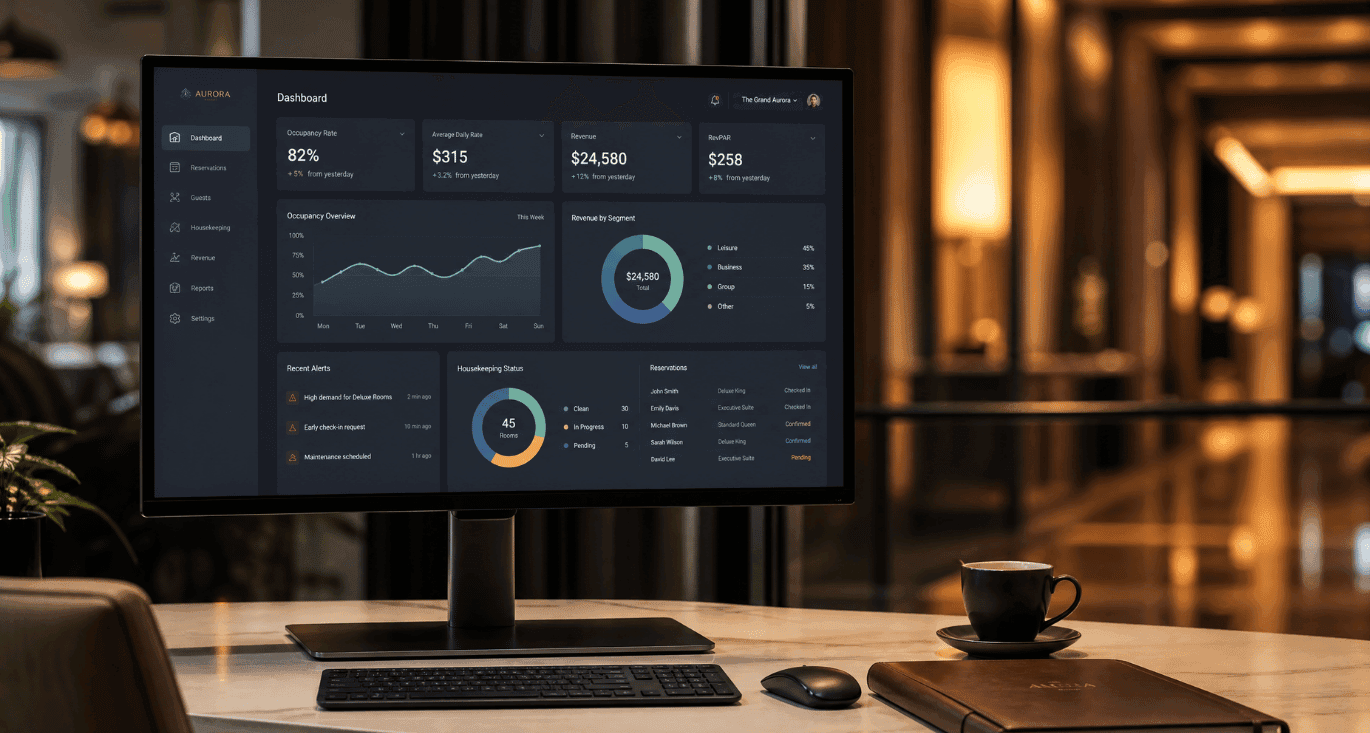
ข่าว AI จากผู้จำหน่าย PMS โรงแรม Q2 2026: แอป ChatGPT ของ Wyndham, Choice Hotels x AWS และสิ่งที่หมายถึงสำหรับสแต็คของคุณ
Q2 2026 ทำให้ความจริงหนึ่งหลีกเลี่ยงไม่ได้: เชนและผู้จำหน่าย PMS กำลังแข่งขันไปข้างหน้าด้วย AI การกระจายสินค้าและการดำเ…
ข่าว AI จากผู้จำหน่าย PMS โรงแรม: สรุปไตรมาส 1 ปี 2026 (Mews, Cloudbeds, Oracle, Stayntouch, Infor)
ในไตรมาส 1 ปี 2026 ผู้จำหน่าย PMS โรงแรมอย่าง Mews, Cloudbeds และ Stayntouch ได้กำหนดนิยามใหม่ของเทคโนโลยีการบริการด้วย…
พร้อมที่จะเปลี่ยนแปลงโรงแรมของคุณหรือยัง?
จองสายปรึกษากลยุทธ์ฟรี และดูว่า Lynn จะทำงานอย่างไรในโรงแรมของคุณ