AI และ Cloudbeds: สิ่งที่ Signals ครอบคลุม สิ่งที่ไม่ครอบคลุม และวิธีปิดช่องว่าง
Cloudbeds Signals เป็นเครื่องมือ AI ที่ทรงพลังสำหรับการเพิ่มประสิทธิภาพรายได้และการพยากรณ์ความต้องการ แต่ขาดความสามารถเชิงสนทนาด้านแขก ทำให้โรงแรมมีช่องว่างในการโต้ตอบแขกแบบส่วนบุคคล Vertize (Lynn) เชื่อมช่องว่างนี้โดยรวมเข้ากับ API แบบเปิดของ Cloudbeds ส่งมอบการสนทนา AI แบบ generative ใน 50+ ภาษาทั่วหลายช่องทางเพื่อยกระดับประสบการณ์แขกและขับเคลื่อนรายได้
AI และ Cloudbeds: สิ่งที่ Signals ครอบคลุม สิ่งที่ไม่ครอบคลุม และวิธีปิดช่องว่าง
TL;DR: Cloudbeds Signals เป็นเครื่องมือ AI เชิงเหตุผลที่สร้างขึ้นเพื่อการเพิ่มประสิทธิภาพรายได้ การพยากรณ์ความต้องการ และการตลาดอัตโนมัติ มันไม่ได้ให้บริการ AI เชิงสนทนาสำหรับแขกโดยตรง เครื่องมือส่งข้อความในตัว (Whistle) ใช้การจับคู่เจตนาที่กำหนดไว้ล่วงหน้า ไม่ใช่ generative AI และผลิตภัณฑ์เสียง Engage รองรับเพียงห้าภาษา โรงแรมที่ใช้ Cloudbeds สามารถปิดช่องว่างด้านแขกนี้ได้โดยเชื่อมต่อ AI คอนเซียร์จเฉพาะทางอย่าง Vertize (Lynn) ผ่าน API แบบเปิดของแพลตฟอร์ม
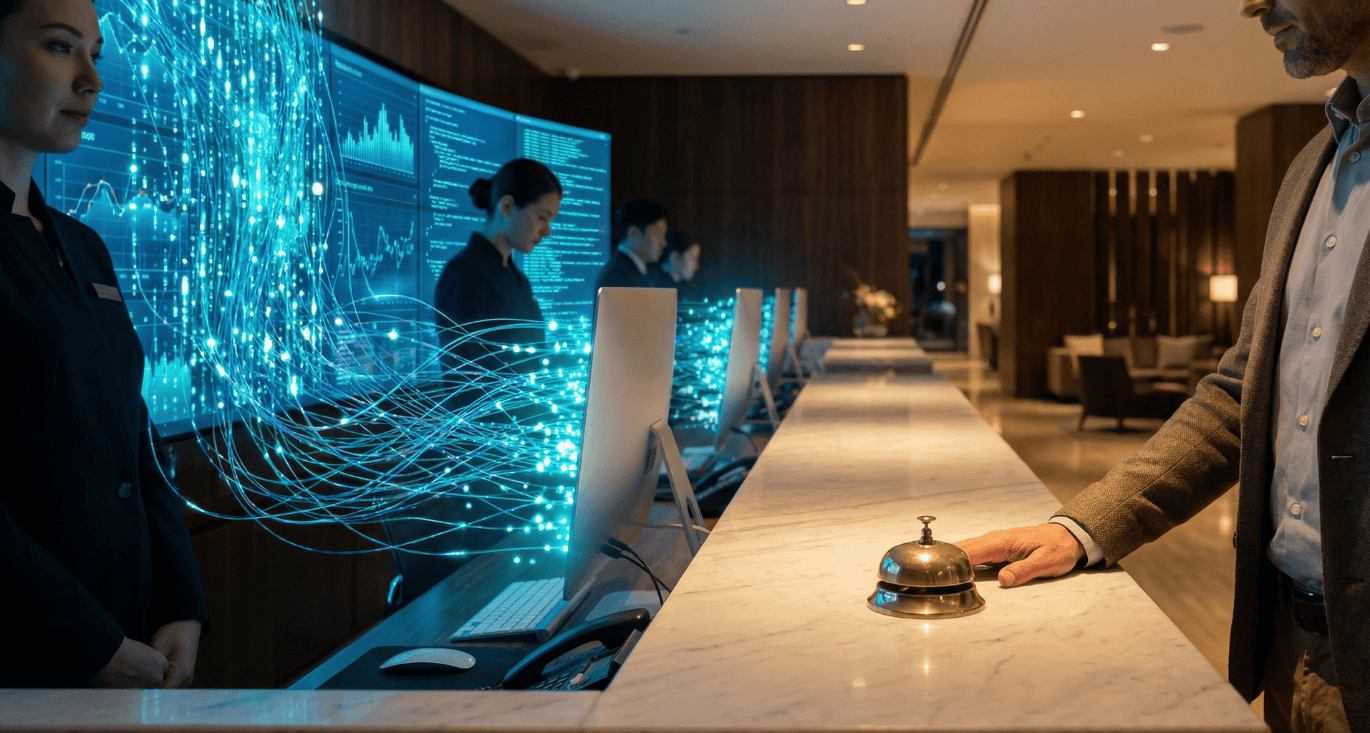
Cloudbeds Signals เป็นหนึ่งในแพลตฟอร์ม AI ที่ทะเยอทะยานที่สุดในอุตสาหกรรมการบริการ โดยประมวลผลข้อมูลหลายพันล้านจุดเพื่อเพิ่มประสิทธิภาพราคา พยากรณ์ความต้องการ และขับเคลื่อนการตลาดอัตโนมัติ แต่ Signals เป็นสมองด้านรายได้ ไม่ใช่เสียงของแขก มันไม่ได้ให้บริการ AI เชิงสนทนา การส่งข้อความหลายภาษาสำหรับแขก หรือการขายเพิ่มที่ขับเคลื่อนด้วย AI ระหว่างการโต้ตอบแบบเรียลไทม์ สำหรับทรัพย์สินกว่า 26,000 แห่งที่ใช้ Cloudbeds ทั่วโลก คำถามไม่ใช่ว่าจะนำ AI ด้านแขกมาใช้หรือไม่ แต่เป็นวิธีการเพิ่มชั้นนี้ลงบนฐานปฏิบัติการที่ไม่เคยออกแบบมาสำหรับการสนทนา โพสต์นี้จะแมปสิ่งที่ Cloudbeds AI ครอบคลุมโดยกำเนิด ช่องว่างด้านแขกอยู่ที่ใด และ AI intelligence layer เฉพาะทางอย่าง Vertize (Lynn) จะเติมเต็มอย่างไรผ่าน API แบบเปิดของ Cloudbeds
Cloudbeds Signals คืออะไร และมันทำอะไรได้จริง?
Cloudbeds Signals เป็นเครื่องมือ AI เชิงเหตุผลที่เป็นกรรมสิทธิ์ ซึ่งขับเคลื่อน intelligence ด้านรายได้ การพยากรณ์ความต้องการ การตลาดแขก และการจัดการชื่อเสียงทั่วทั้งแพลตฟอร์ม Cloudbeds เปิดตัวในเดือนกันยายน 2025 ภายใต้แผนก Cloudbeds Labs Signals วิเคราะห์อัตราคู่แข่ง รูปแบบการจอง เหตุการณ์ท้องถิ่น ข้อมูลสภาพอากาศ และการจราจรจาก metasearch เพื่อสร้างคำแนะนำราคาและข้อมูลเชิงลึกด้านการตลาดสำหรับผู้ดำเนินการโรงแรม
CEO Adam Harris วางตำแหน่ง Signals เป็น "โมเดล AI พื้นฐานแรกของอุตสาหกรรมการบริการ" ที่ฝึกฝนจากข้อมูลการจอง แขก และตลาดที่มีโครงสร้างมากกว่า 12 ปี ซึ่งสะสมทั่วเครือข่าย Cloudbeds บริษัทระบุว่า Signals ประมวลผลข้อมูล 4 พันล้านจุดต่อชั่วโมง แม้ตัวเลขนี้มาจากเอกสารประชาสัมพันธ์ของ Cloudbeds เองและยังไม่ได้รับการยืนยันจากภายนอก
สิ่งที่ทำให้ Signals น่าสนใจทางเทคนิคคือแนวทาง AI เชิงเหตุผล ซึ่งต่างจาก machine learning มาตรฐานที่ระบุความสัมพันธ์ (เมื่อ X เกิดขึ้น Y มักตามมา) causal AI พยายามจำลองความสัมพันธ์เหตุและผลที่แท้จริงระหว่างตัวแปรตลาด Cloudbeds อ้างว่าสิ่งนี้ช่วยให้ระบบแยกแยะระหว่างการเพิ่มขึ้นของการจองที่เกิดจากการลดราคากับการที่เกิดจากเหตุการณ์ท้องถิ่นหรือการเพิ่มขึ้นของเที่ยวบินขาเข้า
ผลลัพธ์ที่ใช้งานได้จริงคือรูปธรรม Revenue Intelligence ให้การพยากรณ์ความต้องการ 90 วัน การติดตามอัตราคู่แข่งแบบเรียลไทม์ และการปรับราคาอัตโนมัติหรือคำแนะนำ Guest Marketing CRM ใช้ข้อมูลจาก Signals เพื่อสร้างแคมเปญส่วนบุคคลโดยอัตโนมัติ Cloudbeds รายงานความแม่นยำในการพยากรณ์สูงถึง 95% ในหน้าต่าง 90 วัน (เทียบกับอุตสาหกรรมทั่วไปที่ 50 ถึง 70%) รายได้เพิ่มขึ้น 18% ในเดือนที่ช้า และประหยัดเวลาทำงานด้วยมือมากกว่า 15 ชั่วโมงต่อสัปดาห์ กรณีศึกษาจาก Mercure Paddington แสดงอัตราการเข้าพัก 93% เทียบกับค่าเฉลี่ยกลุ่มแข่งขัน 64% ในช่วงเดือนมกราคมที่ท้าทาย ตัวเลขเหล่านี้เป็นเมตริกที่บริษัทรายงานและควรเข้าใจเช่นนั้น
ประเด็นสำคัญสำหรับการวิเคราะห์นี้: Signals เป็นชั้น intelligence ด้านหลังบ้านทั้งหมด มันพยากรณ์ความต้องการ ปรับราคาให้เหมาะสม และขับเคลื่อนการตลาด มันไม่ได้โต้ตอบกับแขกในรูปแบบใดๆ
Cloudbeds จัดการการส่งข้อความแขกอย่างไรในปัจจุบัน?
Cloudbeds จัดการการสื่อสารกับแขกผ่าน Whistle (ปัจจุบันเปลี่ยนชื่อเป็น Cloudbeds Guest Experience) แพลตฟอร์มส่งข้อความที่เข้าซื้อในเดือนมิถุนายน 2022 Whistle รองรับช่องทางหลากหลาย: SMS, WhatsApp, อีเมล, Facebook Messenger, แชทสดเว็บ, แชทพอร์ทัลแขก และการส่งข้อความจาก OTA เช่น Booking.com, Airbnb, Expedia, VRBO, Agoda และ Ctrip
โครงสร้างพื้นฐานช่องทางแข็งแกร่ง แต่ intelligence ที่อยู่เบื้องหลังไม่ใช่
Whistle ทำงานหลักๆ ด้วยการจับคู่เจตนากับการตอบสนองที่กำหนดไว้ล่วงหน้า ไม่ใช่ generative AI โรงแรมกำหนดค่าหรืออนุมัติการตอบสนองจากหมวดหมู่คำถามที่สร้างไว้ล่วงหน้ามากกว่า 200 รายการ แต่แต่ละรายการต้องการการตั้งค่าและตรวจสอบด้วยมือ การประมวลผลภาษาธรรมชาติพื้นฐานใช้ Amazon Comprehend สำหรับการวิเคราะห์ความรู้สึกและการจดจำเจตนา ซึ่งเป็นระบบที่ย้อนกลับไปถึงโมดูลที่เปิดตัวในเดือนธันวาคม 2019
ข้อจำกัดทางเทคนิคหลายประการแสดงให้เห็นช่องว่าง ข้อความถูกจำกัดที่ 640 ตัวอักษร Guest Portal รองรับ 29 ภาษา ในขณะที่วิดเจ็ตเว็บ Live Chat ให้การแปล 133 ภาษาผ่านการแปลอัตโนมัติที่ซ้อนบนการตอบสนองแบบคงที่ Guest Chat ช่องทางสำหรับการจองที่มีอยู่ไม่สามารถแสดงสินค้าคงคลังหรือราคาแบบเรียลไทม์ การขายเพิ่มเป็นลิงก์ผลิตภัณฑ์แบบคงที่ที่แทรกในเทมเพลตข้อความ ไม่ใช่คำแนะนำที่สร้างแบบไดนามิกตามข้อมูล PMS แบบเรียลไทม์และบริบทของแขก
การลดลงของการยอมรับในอุตสาหกรรมบอกเล่าเรื่องราว ในอันดับการส่งข้อความแขกของ Hotel Tech Report ปี 2026 Cloudbeds Guest Experience ไม่ปรากฏในห้าอันดับแรก ลูกค้า Cloudbeds บางรายได้บันทึกสาธารณะว่าพวกเขาซ้อนโซลูชันแชทบอท AI จากบุคคลที่สามบน Whistle โดยเฉพาะเพราะความสามารถในตัวไม่เพียงพอสำหรับการสื่อสารแขกอัตโนมัติ
Cloudbeds มี AI ด้านแขกเลยหรือไม่?
Cloudbeds มีผลิตภัณฑ์ AI ด้านแขกหนึ่งรายการ: Engage เครื่องมือ AI เสียงที่สร้างขึ้นร่วมกับ GigaML เปิดตัวในเดือนเมษายน 2025 ภายใต้ Cloudbeds Labs Engage จัดการสายโทรศัพท์แผนกต้อนรับโดยใช้ภาษาธรรมชาติ เข้าถึงข้อมูล PMS แบบเรียลไทม์สำหรับการสอบถามความพร้อมและราคา สามารถเสนอการอัปเกรดห้องแบบสนทนา และให้เวลาตอบสนองต่ำกว่า 100 มิลลิวินาที มันเปิดให้บริการแล้วที่ Rio Las Vegas
อย่างไรก็ตาม Engage ทำงานภายในขอบเขตที่แคบ มันรองรับเพียงห้าภาษา (อังกฤษ, สเปน, โปรตุเกส, ฝรั่งเศส และเยอรมัน) ซึ่งห่างไกลจาก 50+ ภาษาที่จำเป็นสำหรับการสื่อสารแขกทั่วโลกอย่างแท้จริง มันครอบคลุมเฉพาะโทรศัพท์และแชทเว็บสดเท่านั้น มันไม่ได้รวมเข้ากับ SMS, WhatsApp หรือช่องทางส่งข้อความ Whistle ที่กว้างกว่า มันเป็นผลิตภัณฑ์แยกจาก Guest Experience ไม่ได้ฝังในขั้นตอนการส่งข้อความแขก และมันไม่ได้ให้ AI เชิงสนทนาแบบข้อความ, AI อวตาร หรือความสามารถคอนเซียร์จหลายช่องทาง
นอกจากนี้ Cloudbeds เพิ่งรวม Sadie (มกราคม 2026) ตัวแทน AI เสียงจากบุคคลที่สามที่ทำให้สายแขกเป็นอัตโนมัติผ่านตลาด Cloudbeds ความจริงที่ว่า Cloudbeds กำลังร่วมมือกับผู้ให้บริการ AI เสียงภายนอกแทนที่จะขยาย Engage แสดงให้เห็นว่ากลยุทธ์ของบริษัทสำหรับ AI เชิงสนทนาด้านแขกมุ่งไปที่ความร่วมมือในระบบนิเวศมากกว่าการสร้างในตัว
การรวม Climber RMS ในเดือนกุมภาพันธ์ 2026 เพิ่มอะไร?
เมื่อวันที่ 25 กุมภาพันธ์ 2026 Cloudbeds ประกาศความร่วมมือเชิงกลยุทธ์ที่ขยายกับ Revenue Analytics โดยรวม Climber RMS เข้ากับแพลตฟอร์ม Cloudbeds โดยตรง Climber เป็นระบบการจัดการรายได้บนคลาวด์ที่ออกแบบมาสำหรับโรงแรมบูติก อิสระ และเครือโรงแรมระดับภูมิภาค โดยมีจุดแข็งเฉพาะในตลาดยุโรปและละตินอเมริกา
การรวมนี้สร้างการเชื่อมต่อสองทางที่ปลอดภัย: Climber ดึงข้อมูลราคา การจอง และสินค้าคงคลังจาก Cloudbeds ใช้โมเดลราคา AI และผลักคำแนะนำที่ปรับให้เหมาะสมกลับไปยังแพลตฟอร์ม โรงแรมสามารถเลือกการทำงานอัตโนมัติเต็มรูปแบบหรือรักษาการควบคุมด้วยมือ
การเพิ่มนี้เสริมรูปแบบสำคัญ Cloudbeds ยังคงลงทุนหนักใน AI ปฏิบัติการและรายได้ (Signals, Climber RMS, N2Pricing ของ Revenue Analytics) ในขณะที่ชั้นการสนทนาด้านแขกยังบาง Climber RMS เพิ่มความซับซ้อนให้กับการตัดสินใจราคา แต่ไม่มีศักยภาพการโต้ตอบแขกทุกการประกาศ AI หลักจาก Cloudbeds ในไตรมาสแรกปี 2026 ได้เสริมความแข็งแกร่งให้กับด้านหลังบ้าน ไม่ใช่ด้านหน้า
ช่องว่าง AI ด้านแขกอยู่ที่ใดแน่นอน?
จากการวิเคราะห์เอกสารผลิตภัณฑ์ของ Cloudbeds ทรัพยากรนักพัฒนา รีวิวลูกค้า และการครอบคลุมอุตสาหกรรมอย่างละเอียด นี่คือพื้นที่เฉพาะที่ความสามารถ AI ของ Cloudbeds หยุดและคอนเซียร์จ AI เฉพาะทางเริ่มต้น
การสนทนาแบบ generative. Whistle ใช้การจับคู่เจตนากับคู่คำถาม-คำตอบที่กำหนดไว้ล่วงหน้า ไม่มีแชทบอท AI แบบ generative ในตัวที่สามารถสนทนาแบบอิสระกับแขก จัดการคำขอที่ไม่คาดคิด หรือปรับการตอบสนองตามบริบทการสนทนา เมื่อแขกถามสิ่งที่นอกเหนือจากเทมเพลตที่สร้างไว้ล่วงหน้า คำขอจะถูกส่งต่อไปยังพนักงานผ่านระบบตั๋ว
AI หลายภาษาในระดับใหญ่. Engage รองรับ 5 ภาษาสำหรับเสียง Guest Portal รองรับ 29 ภาษา วิดเจ็ต Live Chat ให้การแปล 133 ภาษา แต่เป็นการแปลอัตโนมัติที่ซ้อนบนการจับคู่เจตนาแบบคงที่ ไม่ใช่ความคล่องแคล่วในการสนทนาหลายภาษาแบบพื้นเมือง สำหรับโรงแรมที่ให้บริการแขกต่างชาติจากกลุ่มภาษานับสิบ นี่สร้างความขัดข้อง
การปรับแต่งแบบเรียลไทม์ระหว่างการสนทนา. ช่องทางข้อความ Whistle ใช้เทมเพลตแบบคงที่กับการแทรกตัวแปร (ชื่อแขก วันที่) ไม่มีเครื่องมือปรับแต่งแบบไดนามิกที่ปรับคำแนะนำ น้ำเสียง หรือเนื้อหาตามพฤติกรรมแขกแบบเรียลไทม์ ความชอบจากการเข้าพักก่อนหน้า หรือบริบทการสนทนา
การขายเพิ่มที่ขับเคลื่อนด้วย AI ทั่วช่องทางส่งข้อความ. Engage ให้การขายเพิ่มแบบสนทนาเฉพาะสายโทรศัพท์เท่านั้น ทั่ว SMS, WhatsApp และแชทเว็บ การขายเพิ่มยังคงเป็นลิงก์ผลิตภัณฑ์แบบคงที่ในเทมเพลตข้อความ ไม่มีระบบที่สร้างโอกาสรายได้แบบไดนามิกและตระหนักถึงบริบทตามว่าแขกคือใคร จองอะไร และสินค้าคงคลังพร้อมใช้งานตอนนี้คืออะไร
AI เสียงเกินห้าภาษาและโทรศัพท์. Engage จำกัดที่อังกฤษ สเปน โปรตุเกส ฝรั่งเศส และเยอรมัน ไม่มี AI เสียงสำหรับข้อความเสียง WhatsApp อุปกรณ์ในห้อง หรือช่องทางเกิดใหม่อื่นๆ
อวตาร AI และการโต้ตอบวิดีโอ. Cloudbeds ไม่มีปฏิสัมพันธ์ AI แบบอวตารหรือวิดีโอใดๆ
การแก้ไขคำขอแบบอัตโนมัติ. คำขอแขกทั้งหมดผ่าน Whistle ส่งต่อไปยังพนักงาน ไม่มีชั้น AI ที่สามารถเติมเต็มคำขอทั่วไปอย่างคำแนะนำร้านอาหาร การจองสปา การจัดเตรียมการขนส่ง หรือเคล็ดลับท้องถิ่นโดยไม่ต้องแทรกแซงจากมนุษย์
ความต่อเนื่องการสนทนาข้ามช่องทาง. เมื่อแขกสลับจาก SMS เป็น WhatsApp เป็นแชทเว็บ ไม่มีระบบที่ขับเคลื่อนด้วย AI ที่รักษาบริบทการสนทนาข้ามช่องทางเหล่านั้น
API แบบเปิดของ Cloudbeds เปิดใช้งานคอนเซียร์จ AI เสริมอย่างไร?
นี่คือจุดที่สถาปัตยกรรมของ Cloudbeds กลายเป็นข้อได้เปรียบแทนที่จะเป็นข้อจำกัด แพลตฟอร์มรักษาตลาดของพันธมิตรการรวมมากกว่า 350 รายการใน 17+ หมวดหมู่ พร้อมระบบนิเวศนักพัฒนาที่เติบโตเต็มที่ที่ developers.cloudbeds.com
API มีจุดสิ้นสุดมากกว่า 50 รายการที่ครอบคลุมรายละเอียดโรงแรม โปรไฟล์แขก สินค้าคงคลังห้อง การจอง และการชำระเงิน การรับรองความถูกต้องใช้ API Keys หรือ OAuth 2.0 พร้อม webhooks สำหรับการรวมที่ขับเคลื่อนด้วยเหตุการณ์ พอร์ทัลนักพัฒนามีส่วน "Build with LLMs" ในคู่มือเริ่มต้น ส่งสัญญาณความเปิดกว้างอย่างชัดเจนต่อนักพัฒนา AI ที่สร้างบนแพลตฟอร์ม
สำหรับคอนเซียร์จ AI ที่สร้างขึ้นเพื่อวัตถุประสงค์เฉพาะอย่าง Vertize (Lynn) สถาปัตยกรรมแบบเปิดนี้ให้ทุกสิ่งที่จำเป็นในการส่งมอบการโต้ตอบด้านแขกที่ชาญฉลาด: ข้อมูลการจองแบบเรียลไทม์ ข้อมูลโปรไฟล์แขก ความพร้อมของห้อง ราคา และรายละเอียดทรัพย์สิน Lynn เชื่อมต่อกับ PMS ของ Cloudbeds ผ่าน API นี้และรวมข้อมูลปฏิบัติการนั้นกับการสนทนา AI แบบ generative ใน 50+ ภาษาทั่วช่องทางแชท เสียง และอวตาร
สถาปัตยกรรมการรวมทำงานเป็นส่วนเสริมตามธรรมชาติ Signals จัดการ intelligence ด้านรายได้ การพยากรณ์ความต้องการ และการตลาดอัตโนมัติที่มันทำได้ดีเป็นพิเศษ Lynn จัดการชั้นด้านแขกที่ Signals ไม่เคยออกแบบมาเพื่อ: ตอบคำถามในภาษาใดๆ แนะนำการอัปเกรดตามความพร้อมแบบเรียลไทม์และความชอบของแขก แก้ไขคำขอแบบอัตโนมัติ และแปลงการสนทนาเป็นรายได้ผ่านการขายเพิ่มส่วนบุคคลทั่วทุกช่องทางส่งข้อความ
นี่ไม่ใช่การแก้ปัญหาชั่วคราว มันคือวิธีที่ระบบนิเวศของ Cloudbeds เองได้รับการออกแบบให้ทำงาน ความร่วมมือ AI เสียง Sadie การรวม Climber RMS และเอกสารนักพัฒนา "Build with LLMs" ยืนยันทั้งหมดว่า Cloudbeds คาดหวังให้เครื่องมือเฉพาะทางขยายแพลตฟอร์มแทนที่จะสร้างทุกความสามารถในตัว
สิ่งนี้หมายความว่าอย่างไรสำหรับโรงแรมที่ใช้ Cloudbeds ในปี 2026?
โรงแรมบน Cloudbeds มีฐานราก AI ปฏิบัติการที่แข็งแกร่ง แนวทางเชิงเหตุผลของ Signals ต่อการจัดการรายได้แสดงถึงนวัตกรรมที่แท้จริง และสถาปัตยกรรมแบบรวมของแพลตฟอร์ม (PMS, ตัวจัดการช่องทาง, เครื่องมือจอง และประสบการณ์แขกในระบบเดียว) สร้างข้อได้เปรียบด้านข้อมูลที่สแต็กเทคโนโลยีที่กระจัดกระจายไม่สามารถเทียบได้
แต่ชั้นประสบการณ์แขกยังล้าหลังขอบเขต AI เชิงสนทนาหนึ่งรุ่น ในตลาดที่นักเดินทาง 74% ต้องการให้โรงแรมใช้ AI เพื่อปรับแต่งบริการและข้อเสนอ และแขก Gen Z 78% ชอบคอนเซียร์จ AI สำหรับความต้องการทันที แชทบอทที่จับคู่เจตนาที่กำหนดไว้ล่วงหน้าพร้อมขีดจำกัดข้อความ 640 ตัวอักษรจะไม่ตรงกับความคาดหวัง
ข่าวดีคือระบบนิเวศแบบเปิดของ Cloudbeds ทำให้การปิดช่องว่างนี้ตรงไปตรงมา ทรัพย์สินไม่จำเป็นต้องแทนที่ PMS หรือละทิ้งการลงทุนใน Signals พวกเขาต้องการเพิ่มชั้น intelligence เสริมที่เปลี่ยนข้อมูลปฏิบัติการของ Cloudbeds เป็นการโต้ตอบแขกแบบเรียลไทม์และส่วนบุคคล
Vertize (Lynn) ทำสิ่งนี้อย่างแม่นยำ Lynn เชื่อมต่อกับ Cloudbeds ผ่าน API แบบเปิดและส่งมอบสิ่งที่ Signals และ Whistle ไม่สามารถ: การสนทนา AI แบบ generative ใน 50+ ภาษา ทั่วช่องทางแชท เสียง และอวตาร ด้วยข้อมูล PMS แบบเรียลไทม์ที่ขับเคลื่อนทุกการโต้ตอบ เธอจัดการคำถามแขกแบบอัตโนมัติ ขายเพิ่มแบบไดนามิกตามความพร้อมจริงและบริบทแขก และรักษาความต่อเนื่องการสนทนาทั่วทุกช่องทาง Intelligence ที่ Signals สร้างขึ้นเบื้องหลังกลายเป็น intelligence ที่แขกรู้สึกได้ที่ด้านหน้า
สำหรับทรัพย์สิน Cloudbeds การรวมกันนี้แข็งแกร่งกว่าการใช้เครื่องมือใดเครื่องมือหนึ่งเพียงอย่างเดียว Signals ปรับให้เหมาะสมว่าควรขายอะไรและเมื่อไหร่ Lynn จัดการว่าจะขายให้ใครและอย่างไร ในภาษาของแขก บนช่องทางที่แขกต้องการ ในทุกชั่วโมงของวัน
คำถามที่พบบ่อย
Cloudbeds Signals รวมแชทบอท AI สำหรับแขกหรือไม่?
ไม่ Signals เป็น AI intelligence ด้านรายได้และการตลาดด้านหลังบ้าน มันขับเคลื่อนการพยากรณ์ความต้องการ การปรับราคาให้เหมาะสม และการตลาดแคมเปญ แต่ไม่ได้โต้ตอบกับแขกโดยตรง การส่งข้อความแขกจัดการแยกผ่าน Cloudbeds Guest Experience (เดิมชื่อ Whistle) ซึ่งใช้การจับคู่เจตนา ไม่ใช่ generative AI
Cloudbeds AI รองรับกี่ภาษา?
Cloudbeds Engage voice AI รองรับ 5 ภาษา (อังกฤษ สเปน โปรตุเกส ฝรั่งเศส เยอรมัน) Guest Portal รองรับ 29 ภาษา วิดเจ็ต Live Chat ให้การแปลอัตโนมัติ 133 ภาษา แม้จะเป็นการแปลที่ซ้อนบนการตอบสนองแบบคงที่ ไม่ใช่การสนทนาหลายภาษาแบบพื้นเมือง Vertize (Lynn) รองรับ 50+ ภาษาแบบพื้นเมืองทั่วแชท เสียง และอวตาร
Cloudbeds Whistle สามารถจัดการคำขอแขกโดยอัตโนมัติได้หรือไม่?
Whistle สามารถส่งข้อความอัตโนมัติที่ทริกเกอร์โดยเหตุการณ์การจอง (ยืนยัน ก่อนมาถึง เช็คเอาท์) และจับคู่คำถามทั่วไปกับการตอบสนองที่กำหนดไว้ล่วงหน้า อย่างไรก็ตาม มันไม่สามารถแก้ไขคำขอแขกแบบเปิด-ended โดยอัตโนมัติ คำขอที่นอกเหนือจากเทมเพลตที่สร้างไว้ล่วงหน้าจะถูกส่งต่อไปยังพนักงานผ่านระบบตั๋ว
ความแตกต่างระหว่าง Cloudbeds Signals กับคอนเซียร์จ AI เฉพาะทางคืออะไร?
Signals วิเคราะห์ข้อมูลตลาด พยากรณ์ความต้องการ และปรับราคาให้เหมาะสม มันบอกโรงแรมว่าจะคิดค่าบริการเท่าไหร่และเมื่อไหร่ คอนเซียร์จ AI เฉพาะทางอย่าง Vertize (Lynn) สื่อสารโดยตรงกับแขกแบบเรียลไทม์: ตอบคำถาม ให้คำแนะนำส่วนบุคคล จัดการคำขอ และแปลงการสนทนาเป็นรายได้ผ่านการขายเพิ่มแบบไดนามิก พวกเขาทำหน้าที่ต่างกันและทำงานร่วมกันได้ดีที่สุด
ฉันสามารถเพิ่มคอนเซียร์จ AI ไปยัง Cloudbeds โดยไม่ต้องแทนที่ PMS ได้หรือไม่?
ได้ Cloudbeds รักษา API แบบเปิดด้วยจุดสิ้นสุดมากกว่า 50 รายการและพอร์ทัลนักพัฒนาที่มีคำแนะนำเฉพาะสำหรับการรวม AI Vertize (Lynn) เชื่อมต่อกับ Cloudbeds ผ่าน API นี้ เข้าถึงข้อมูลการจอง โปรไฟล์แขก ความพร้อมของห้อง และราคาแบบเรียลไทม์ การรวมนี้เสริมการตั้งค่า Cloudbeds ที่มีอยู่โดยไม่ต้องย้ายระบบใดๆ
Cloudbeds ประกาศอะไรสำหรับ AI ในช่วงต้นปี 2026?
การประกาศสำคัญในไตรมาสแรกปี 2026 รวมถึงการรวม Climber RMS สำหรับการจัดการรายได้ AI (กุมภาพันธ์) ความร่วมมือตลาด AI เสียง Sadie (มกราคม) ความร่วมมือซัพพลายเออร์ Historic Hotels of America และชัยชนะหลายรายการใน HotelTechAwards ปี 2026 การประกาศทั้งหมดเสริมความแข็งแกร่งให้กับความสามารถปฏิบัติการและรายได้ ไม่มีการประกาศฟีเจอร์ AI เชิงสนทนาด้านแขกในตัวใหม่
Cloudbeds Engage เหมือนกับคอนเซียร์จ AI หรือไม่?
Engage เป็นผลิตภัณฑ์ AI เสียงที่จัดการสายโทรศัพท์ใน 5 ภาษาผ่านความร่วมมือกับ GigaML มันสามารถตอบคำถามความพร้อมและแนะนำการอัปเกรดในการโทร อย่างไรก็ตาม มันไม่ได้รวมเข้ากับช่องทางส่งข้อความ ไม่ให้การสนับสนุนหลายภาษาในระดับใหญ่ และทำงานเป็นผลิตภัณฑ์แยกจากขั้นตอนการส่งข้อความแขกที่กว้างกว่า คอนเซียร์จ AI เต็มรูปแบบครอบคลุมทุกช่องทาง ทุกภาษา และทุกประเภทการโต้ตอบ
Related posts

ข่าว AI จากผู้จำหน่าย PMS โรงแรม: สรุปไตรมาส 1 ปี 2026 (Mews, Cloudbeds, Oracle, Stayntouch, Infor)
ในไตรมาส 1 ปี 2026 ผู้จำหน่าย PMS โรงแรมอย่าง Mews, Cloudbeds และ Stayntouch ได้กำหนดนิยามใหม่ของเทคโนโลยีการบริการด้วย…

Cloudbeds vs Mews vs Oracle OPERA: PMS ตัวไหนมี AI แบบเนทีฟที่แข็งแกร่งที่สุด?
ในการแข่งขันเพื่อความเป็นเลิศด้าน AI ระหว่างระบบจัดการทรัพย์สิน Oracle OPERA Cloud, Mews และ Cloudbeds ต่างแสดงจุดแข็งด…
ระบบอัตโนมัติในโรงแรมปี 2026: สิ่งที่ใช้ได้จริง สิ่งที่ใช้ไม่ได้ และจุดที่ AI เปลี่ยนแปลงทุกอย่าง
ในปี 2026 ระบบอัตโนมัติในโรงแรมได้พัฒนาเป็นสามระดับที่แตกต่างกัน—ระบบอัตโนมัติงานตามกฎเกณฑ์ การเรียนรู้ของเครื่องเชิงคา…
พร้อมที่จะเปลี่ยนแปลงโรงแรมของคุณหรือยัง?
จองสายปรึกษากลยุทธ์ฟรี และดูว่า Lynn จะทำงานอย่างไรในโรงแรมของคุณ