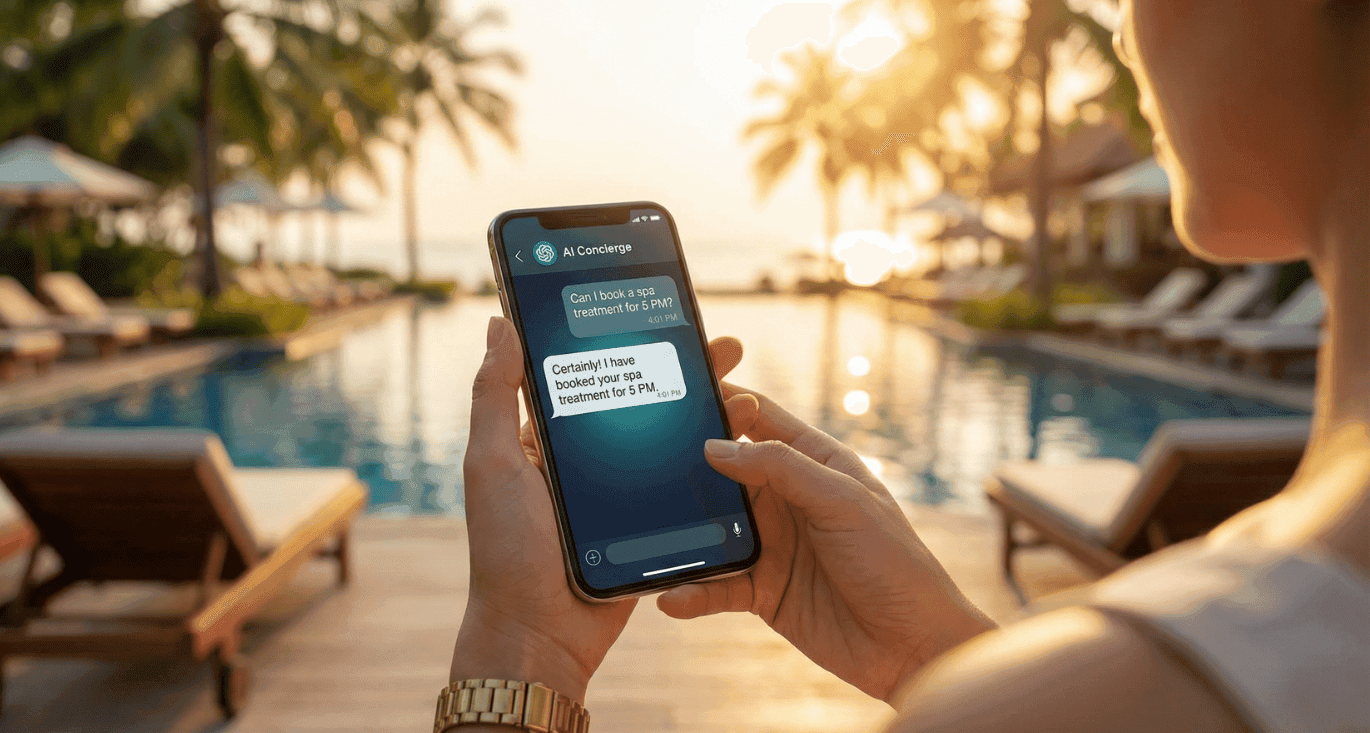
Апселл в отелях с помощью ИИ: что на самом деле показывают данные конверсии
Узнайте, как ИИ революционизирует апселл в отелях: конверсия растет с 4% до более 30% благодаря персонализированным предложениям, оптимальному таймингу и глубокой интеграции с PMS. ИИ-консьерж Vertize, Lynn, использует данные в реальном времени, чтобы превратить взаимодействия с гостями в значительные возможности дохода, открывая до 503 700 долларов ежегодно для отеля на 200 номеров.
Апселл в отелях с помощью ИИ: что на самом деле показывают данные конверсии
TL;DR: Большинство отелей захватывают менее 15% своего потенциала апселла. ИИ меняет это через три рычага: скоринг склонности для определения подходящего гостя, оптимизацию тайминга для выбора правильного момента и интеграцию с PMS для персонализации каждого предложения. Но канал, который вы используете, и глубина подключения к PMS имеют большее значение, чем признают большинство вендоров. В этом посте разбираются коэффициенты конверсии по каналам, категориям и уровню интеграции.
Каждый revenue-менеджер знает, что апселл повышает маржу. Проблема не в осведомленности. Она в исполнении. В большинстве отелей апселл зависит от того, вспомнит ли агент на ресепшен предложить апгрейд во время 90-секундного взаимодействия при заезде гостю, который может быть уставшим, рассеянным или говорить на другом языке. Результат: коэффициенты конверсии редко превышают 4%. Апселл на базе ИИ обещает исправить это, и данные подтверждают, что он работает. Но не все реализации равны. Разница между 6% конверсии и 30%+ сводится к трем вещам: какой канал вы используете, насколько глубоко ваш ИИ подключается к PMS и предлагаете ли вы правильное предложение правильному гостю в правильное время.
Сколько дохода от апселла отели фактически оставляют на столе?
Разрыв между тем, что отели зарабатывают на апселле, и тем, что они могли бы заработать, существенный. Отраслевые оценки оценивают глобальную возможность апселла в отелях примерно в 28 миллиардов долларов ежегодно, при этом среднее заведение захватывает менее 15% своего потенциала. Дополнительный доход уже составляет почти треть общей выручки в отелях США, но большая часть этого объема выросла органически, а не через системную оптимизацию.
Цифры становятся более конкретными на уровне объекта. Отель на 200 номеров при 75% загрузке обслуживает примерно 54 750 ночей в год. Если это заведение конвертирует всего 5% этих пребываний в апселл со средним чеком 50 долларов, оно генерирует около 137 000 долларов дополнительного дохода. При повышении конверсии до 20% через персонализацию на базе ИИ и доставку с интеграцией PMS тот же объект генерирует примерно 548 000 долларов. Это разница в 410 000 долларов от улучшения одного операционного процесса.
Отели, использующие автоматизированные платформы апселла, сообщают об увеличении дополнительного дохода до 250% по сравнению с ручными методами, согласно данным вендоров. Даже с поправкой на bias самоотбора в этих цифрах (объекты, которые внедряют инструменты апселла, вероятно, уже ориентированы на доход), направленный сигнал ясен: системный апселл на базе ИИ стабильно превосходит непоследовательные ручные подходы.
Что делает апселл на базе ИИ принципиально отличным от традиционных подходов?
Апселл на базе ИИ отличается от традиционных методов тремя измеримыми способами: он оценивает вероятность покупки каждого гостя (скоринг склонности), выбирает момент предложения на основе поведенческих данных, а не операционного удобства, и динамически корректирует цены на основе инвентаря и спроса. Вместе они создают предложения, которые ощущаются как релевантный сервис, а не как общие коммерческие предложения.
Скоринг склонности: соответствие предложения гостю
Основной механизм — скоринг склонности. Модели ИИ анализируют переменные из записи бронирования: цель поездки (бизнес или отдых), тип забронированного номера, уровень лояльности, предыдущие паттерны трат, состав группы и даже внешние данные, такие как прогноз погоды. Бизнес-путешественник, прибывающий в понедельник, получает предложение раннего заезда и быстрого WiFi. Пара, прибывающая в пятницу, видит пакет спа и поздний выезд. Такое таргетирование дает коэффициенты конверсии в три-пять раз выше, чем общие предложения «один размер на всех».
Динамическое ценообразование и тайминг
ИИ применяет динамическое ценообразование к апселлам так же, как системы управления доходами к тарифам на номера. Если люкс остается непроданным за 24 часа до заезда гостя, ИИ может предложить его по сниженной цене апгрейда, которая все равно превышает стандартный тариф, монетизируя скоропортящийся инвентарь, который иначе не принесет дополнительного дохода.
Тайминг важен так же, как и цена. Системы ИИ выявили стабильное «сладкое пятно»: предложения, отправленные примерно за 48 часов до заезда, превосходят предложения, отправленные за недели, примерно на 20%. В этот момент гость активно планирует логистику и открыт к практическим дополнениям, таким как парковка, трансферы и ранний заезд.
Какой канал апселла дает самый высокий коэффициент конверсии?
Выбор канала — одна из наименее обсуждаемых и наиболее влиятельных переменных в апселле на базе ИИ для отелей. Одно и то же предложение одному и тому же гостю конвертируется с кардинально разными показателями в зависимости от того, приходит ли оно по email, WhatsApp, экрану цифрового заезда или голосовому взаимодействию. Таблица ниже обобщает доступные данные по конверсии по каналам с разбивкой по возможностям ИИ и глубине интеграции с PMS.
Канал | Без ИИ | С ИИ (базовый) | ИИ + глубокая интеграция с PMS | Лучшие категории апселла |
|---|---|---|---|---|
Предзаездный email | 2%–4% | 6%–10% | 12%–15% | Апгрейд номера, завтрак |
WhatsApp / SMS | N/A | 15%–20% | 25%–30% | Ранний заезд, парковка |
Чат-бот на сайте | 3%–5% | 12%–15% | 18%–22% | Пакетные предложения, дополнения |
Цифровой заезд (приложение/киоск) | 4%–6% | 12%–18% | 20%–25% | Апгрейд номера, поздний выезд |
Голосовой агент (телефон) | 2%–4% | 15%–25% | 30%–47% | F&B, room service |
Планшет в номере | 3%–5% | 10%–15% | 18%–25% | Спа, бронирование ужина |
Сообщения во время пребывания | 1%–2% | 8%–12% | 15%–20% | Акции F&B, активности |
Диапазоны синтезированы из нескольких наборов данных, предоставленных вендорами, и отраслевых исследований. Независимые бенчмарки остаются ограниченными; верхние диапазоны следует рассматривать как достижимые в оптимальных условиях, а не как гарантированные средние.
Выделяется несколько паттернов. WhatsApp и SMS стабильно превосходят email для обмена сообщениями с гостями, с открываемостью выше 90% по сравнению с 50–65% для email. Сообщения через WhatsApp ощущаются скорее как сервис, чем маркетинг, что снижает психологический барьер к конверсии. Голосовые агенты показывают самый широкий диапазон, но и самый высокий потолок: в Hilton Taipei Sinban внедрение ИИ-голосового ассистента привело к росту дохода от F&B на 30%, при этом 67% гостей предпочли заказывать room service голосом, а не по печатному меню (кейс-стади от вендора).
Интерфейсы цифрового заезда превосходят апселл на ресепшен в три-четыре раза, в основном потому, что они последовательно представляют каждое предложение с фотографиями. Показ трех качественных изображений улучшенного номера (включая ванную) увеличивает конверсию апгрейда примерно на 60%, согласно исследованиям в сфере hospitality-технологий. Визуальный элемент — решающий фактор, который вербальное предложение на ресепшен просто не может воспроизвести.
Какую роль играет интеграция с PMS в конверсии апселла?
Интеграция с PMS — самый крупный фактор, определяющий, принесет ли апселл на базе ИИ скромные улучшения или трансформационные результаты. Без нее ИИ работает на ограниченных данных: имя и дата заезда. При глубокой двусторонней интеграции с PMS ИИ получает доступ к реальному времени наличия номеров, истории гостя, данным фолио и статусу номеров, что позволяет делать предложения, которые одновременно релевантны и операционно выполнимы.
Уровень интеграции | Доступ к данным | Влияние на апселл | Диапазон конверсии |
|---|---|---|---|
Без интеграции | Только ручной ввод | Статичные, подверженные ошибкам предложения; частые нерелевантные предложения | 2%–5% |
Односторонняя (только чтение) | Данные PMS извлекаются периодически | Лучшее таргетирование; все еще требуется ручное выполнение | 8%–15% |
Двусторонняя синхронизация | Реальное время чтения и записи | Проверки живого инвентаря; автоматическое размещение в фолио | 15%–25%+ |
ИИ + полная интеграция | Предиктивная аналитика на живых данных | Контекстуальная релевантность на основе истории, статуса и поведения | 30%–47% |
Операционная разница так же важна, как и прирост конверсии. Полностью интегрированная система экономит в среднем 5,5 минут административной работы на апгрейд номера, устраняя ручной повторный ввод и перекрестные ссылки. Овербукинги по проданному инвентарю апселла сокращаются примерно на 90% благодаря синхронизации в реальном времени.
Здесь различие между «автоматизацией» и «интеллектом» становится конкретным. Без готовности данных PMS инструмент апселла на базе ИИ — это просто более быстрый способ отправлять email. При полной интеграции он становится проактивным слоем дохода, который оптимизирует каждое взаимодействие с гостем на основе живого инвентаря и данных о марже. Lynn, ИИ-консьерж Vertize, построен вокруг этого принципа: двусторонняя интеграция с PMS на платформах вроде Oracle OPERA Cloud, Mews, Cloudbeds и Stayntouch, чтобы каждое предложение апселла отражало реальное наличие, данные профиля гостя и статус фолио через чат, голос и аватар-каналы.
Какие категории апселла генерируют наибольший доход на гостя?
Не все категории апселла равны. Апгрейды номеров имеют самую высокую среднюю стоимость заказа, но парковка и ранний заезд конвертируются с более высокими показателями при минимальной операционной нагрузке. Таблица ниже отображает производительность по категориям.
Категория | Коэффициент конверсии | Средняя стоимость заказа | Лучший канал | Лучший сегмент гостей |
|---|---|---|---|---|
Апгрейд номера | 25%–35% | 40–120 $ | Предзаездный email | Путешественники на отдых, пары |
Ранний заезд | 40%–60% | 20–50 $ | WhatsApp / SMS | Бизнес-путешественники |
Поздний выезд | 40%–55% | 30–60 $ | Планшет в номере | Семьи, отдых |
Пакет завтрака | 30%–50% | 15–35 $ | Голос / WhatsApp | Все сегменты |
Спа-процедура | 10%–25% | 80–200 $ | Планшет в номере | Люкс, велнес |
Парковка | 50%–70% | 20–45 $ | Система бронирования | Гости, приезжающие на авто |
Бронирование ужина | 30%–50% | 45–90 $ | Голосовой агент | Гости, ориентированные на F&B |
Данные синтезированы из кейс-стади вендоров и отраслевых отчетов. Коэффициенты конверсии отражают доставку на базе ИИ с интеграцией PMS. Результаты значительно варьируются в зависимости от типа объекта, локации и состава гостей.
Парковка выделяется как то, что многие revenue-менеджеры называют «самым легким выигрышем» в апселле: маржа 80–90%, высокая конверсия среди гостей, приезжающих на авто, и практически нулевые дополнительные операционные затраты. Апгрейды номеров остаются категорией с наивысшей ценностью (маржа 70–80% на дополнительный доход), но требуют точного инвентаря в реальном времени из PMS, чтобы не предлагать номера, уже занятые.
Стратегический инсайт заключается в том, что лучшие системы ИИ-консьержа не просто продвигают категорию с наивысшей ценностью. Они сопоставляют категорию с сегментом гостя и каналом: бизнес-путешественники получают предложения раннего заезда через WhatsApp, семьи получают предложения позднего выезда на планшете в номере, а пары видят пакеты спа в предзаездном email. Это многомерное сопоставление — то, где ИИ превосходит любую систему на основе правил.
Как выглядит таймлайн ROI для апселла на базе ИИ?
Инструменты апселла на базе ИИ обычно достигают точки безубыточности в течение 30–90 дней, согласно данным вендоров. Окупаемость быстрая, потому что влияние на доход немедленное (дополнительный доход от первых отправленных предложений), а структура затрат скромна относительно генерируемого дохода.
Конкретный расчет
Возьмем отель на 200 номеров при 75% загрузке с ADR 150 долларов:
Ночей в год: 54 750
Текущая конверсия апселла (ручная, ~4%): 2 190 апселлов по 45 долларов в среднем = 98 550 долларов/год
Конверсия на базе ИИ (20% с интеграцией PMS): 10 950 апселлов по 55 долларов в среднем (выше благодаря динамическому ценообразованию) = 602 250 долларов/год
Дополнительный доход: 503 700 долларов/год
Даже при консервативной конверсии 15% и средней стоимости заказа 50 долларов дополнительная цифра превышает 312 000 долларов ежегодно. При типичной стоимости SaaS 3–8 долларов за номер в месяц (7 200–19 200 долларов/год для 200 номеров) мультипликатор ROI составляет от 16x до 70x.
На основе агрегированных данных клиентов Vertize объекты, использующие ИИ-консьерж Lynn с полной интеграцией PMS, видят средний рост трат гостей на 23%. Эта цифра отражает смесь апселла, кросс-селлинга и конверсии прямых бронирований по портфелю Vertize и не является независимо верифицированной, но соответствует более широким отраслевым диапазонам, приведенным выше.
Модели ценообразования на рынке
Решения для апселла на базе ИИ обычно оцениваются по одной из трех моделей: фиксированная плата SaaS за номер в месяц, комиссия с генерируемого дохода от апселла (обычно 10–15%) или плата за транзакцию. Для большинства объектов модель SaaS наиболее предсказуема. Модель комиссии выравнивает стимулы вендора с результатами, но может стать дорогой при масштабе.
Какие самые распространенные ошибки допускают отели при апселле на базе ИИ?
Даже при правильной технологии несколько ошибок внедрения последовательно подрывают результаты. Распознавание этих паттернов помогает revenue-менеджерам избежать самой дорогой кривой обучения.
Одинаковое отношение ко всем гостям. Самая распространенная ошибка — отправка идентичных предложений всем гостям. Без сегментации на основе данных PMS (цель поездки, уровень лояльности, канал бронирования) предложения кажутся общими и легко игнорируются. Объекты, внедряющие нативный ИИ PMS или сторонние инструменты без настройки правильной сегментации гостей, видят, что коэффициенты конверсии стабилизируются на уровне 6–8%, что значительно ниже потенциала при персонализации.
Чрезмерная рассылка. Ограничение частоты обязательно. Гость, который трижды отказался от апгрейда номера, не должен получать четвертое предложение той же категории. Эффективные системы ИИ распознают паттерны отказов и переключаются на другую категорию (например, бронирование ужина или скидку на спа) или полностью прекращают рассылку на это пребывание.
Игнорирование операционной передачи. Апселл, который ресепшен не может выполнить, хуже, чем отсутствие апселла. Без двусторонней интеграции с PMS гость, принявший апгрейд через WhatsApp, может приехать и обнаружить, что номер уже назначен кому-то другому. Этот операционный сбой подрывает доверие и стирает прирост дохода.
Неизмерение инкрементальности. Многие объекты отслеживают общий доход от апселла, не выделяя инкрементальную часть. Некоторые гости купили бы апгрейд в любом случае. Чистое измерение требует контрольной группы или, как минимум, анализа «до-после» с поправкой на сезонность и изменения загрузки.
Пропуск выравнивания персонала. ИИ работает лучше всего как дополнение к человеческому сервису, а не замена. Самые высокие комбинированные коэффициенты конверсии возникают, когда персонал ресепшен обучен следить за предложениями, инициированными ИИ. Агент на ресепшен, говорящий «Я вижу, вас интересовал наш пакет спа через приложение; забронировать его сейчас?», закрывает больше продаж, чем ИИ или агент, работающие по отдельности.
Как начать апселл на базе ИИ на вашем объекте
Переход от ручного апселла к апселлу на базе ИИ с интеграцией PMS следует предсказуемой последовательности. Большинство объектов, которые добиваются успеха, начинают с этих шагов.
Проведите аудит текущего состояния. Рассчитайте текущий коэффициент конверсии апселла и дополнительный доход на занятый номер. Многие отели обнаруживают, что вообще не отслеживают это, что само по себе является находкой. Установите baseline перед оценкой решений.
Оцените готовность интеграции с PMS. Данные по конверсии в этом посте показывают, что глубина интеграции — основной драйвер результатов. Если ваша PMS не поддерживает двусторонние API-соединения, это ограничивает ваш потолок. Проверьте готовность данных PMS перед выбором вендора.
Начните с одного высоковлияющего канала и категории. Вместо запуска по всем каналам одновременно начните с предзаездных сообщений (email или WhatsApp) и апгрейдов номеров. Эта комбинация предлагает самое четкое сравнение baseline и самый быстрый путь к измеримым результатам.
Определите правила частоты заранее. Решите, сколько предложений на гостя за пребывание, когда останавливаться и какие категории имеют приоритет. Постройте эти правила до запуска, а не после первой жалобы гостя.
Свяжите точки по всему пути гостя. Самые эффективные реализации, такие как Lynn от Vertize, доставляют апселл как часть более широкого, а не как отдельный инструмент апселла. Когда та же система, которая обрабатывает вопросы заезда, рекомендации ресторанов и сервисные запросы, также доставляет персонализированные предложения апселла, гость испытывает бесшовный сервис, а не разрозненный маркетинг.
Хотите смоделировать влияние апселла для вашего объекта? Команда Vertize может рассчитать цифры на основе количества номеров, ADR и текущих показателей апселла.
Сколько дополнительного дохода может генерировать апселл на базе ИИ на гостя?
Апселл на базе ИИ обычно генерирует 35–200 долларов дополнительного дохода за пребывание в зависимости от типа объекта, сегмента гостей и предлагаемых категорий апселла. Объекты люкс со спа и опциями F&B видят верхнюю границу диапазона. Отели с ограниченным сервисом с апгрейдами номеров и парковкой все равно захватывают значительный дополнительный доход в нижней части диапазона.
В чем разница между апселлом на базе ИИ и автоматизированными email-предложениями?
Автоматизированная email-рассылка отправляет одно и то же предложение каждому гостю в фиксированное время. Апселл на базе ИИ анализирует данные гостя, чтобы выбрать правильное предложение, установить правильную цену, выбрать правильный канал и подобрать правильный момент для каждого отдельного гостя. Различия в персонализации и тайминге приводят к коэффициентам конверсии в три-пять раз выше, чем при базовой автоматизации.
Работает ли апселл на базе ИИ для небольших отелей?
Да. Объекты менее 50 номеров часто видят пропорционально больший процентный прирост, потому что обычно начинают с более низкого baseline (мало или вообще нет системного апселла). Абсолютные цифры дохода меньше, но влияние на маржу может быть значительным. Модели ценообразования SaaS, которые взимают плату за номер, сохраняют затраты пропорциональными.
Какие интеграции с PMS необходимы для эффективного апселла на базе ИИ?
Как минимум, вам нужен доступ на чтение к профилям гостей, деталям бронирования и инвентарю номеров. Для оптимальных результатов нужна двусторонняя интеграция: ИИ читает доступность и данные гостей, а записывает принятые апселлы напрямую в фолио гостя. Большинство крупных платформ PMS (Oracle OPERA Cloud, Mews, Cloudbeds, Stayntouch) поддерживают это через открытые API.
В какой момент пути гостя следует отправлять предложения апселла?
Окно с наивысшей конверсией — 24–48 часов до заезда для предзаездных предложений. Во время пребывания первый вечер и утро перед выездом эффективны для категорий во время пребывания. Ключевой принцип — сопоставлять тип предложения с моментом: логические дополнения (парковка, трансферы) работают лучше всего перед заездом, апгрейды опыта (спа, питание) — лучше всего во время пребывания.
Как предотвратить, чтобы апселл на базе ИИ не раздражал гостей?
Три практики защищают удовлетворенность гостей: ограничение частоты (ограничьте предложения за пребывание), фильтрация релевантности (представляйте только предложения, соответствующие профилю гостя), и калибровка тона (формулируйте предложения как полезные подсказки, а не коммерческие предложения). Объекты, которые последовательно внедряют все три, видят, что показатели удовлетворенности гостей остаются стабильными или улучшаются после внедрения апселла на базе ИИ.
Сколько стоит система апселла на базе ИИ в месяц?
Ценообразование варьируется по модели: плата SaaS обычно составляет 3–8 долларов за номер в месяц, модели комиссии берут 10–15% от генерируемого дохода от апселла, а модели за транзакцию взимают небольшую плату за сообщение или взаимодействие. Для отеля на 200 номеров по ценообразованию SaaS ожидайте 600–1 600 долларов в месяц.
Related posts
AI-powered hotel revenue management: what the data actually shows
Hotels using AI-driven revenue management tools report an estimated 17% increase in total revenue compared to tradition…
AI hotel housekeeping: what PMS data makes possible
Discover how AI is revolutionizing hotel housekeeping by leveraging real-time PMS data to achieve 60% faster room assig…
Hotel automation in 2026: what actually works, what doesn't, and where AI changes everything
In 2026, hotel automation has evolved into three distinct levels—rule-based task automation, predictive machine learnin…
Готовы преобразить ваш отель?
Запишитесь на бесплатную стратегическую консультацию и узнайте, как именно Lynn будет работать в вашем объекте.