
호텔 PMS는 AI를 위한 준비가 되어 있나요? 데이터 준비성 체크리스트
호텔의 자산 관리 시스템(PMS)이 AI의 힘을 활용할 준비가 되어 있나요, 아니면 단편화된 데이터와 사일로화된 시스템이 발목을 잡고 있나요? Vertize는 데이터 준비성을 평가하기 위한 중요한 체크리스트를 제시하여 AI 투자가 비용이 많이 드는 실망이 아닌 실제 수익을 제공하도록 보장합니다.
호텔 PMS는 AI를 위한 준비가 되어 있나요? 데이터 준비성 체크리스트
TL;DR: 호텔 체인의 22%만이 AI와 자동화 도구를 지원하는 중앙 집중식 데이터 구조를 갖추고 있습니다. 한편, 호텔 리더의 93%는 시스템 통합을 가장 큰 기술 과제로 꼽습니다. AI가 실패하는 이유는 알고리즘이 나빠서가 아닙니다. 알고리즘에 공급되는 데이터가 단편화되어 있거나, 불완전하거나, 신뢰할 수 없기 때문입니다. 이 체크리스트는 PMS 데이터가 AI를 위한 준비가 되어 있는지 평가하고, 투자 전에 무엇을 수정해야 하는지 도와줍니다.

대부분의 호텔 AI 대화는 기술에서 시작됩니다: 어떤 AI 도구를 구매할지, 어떤 기능을 제공하는지, 대안과 어떻게 비교되는지. 하지만 그 대화는 AI가 작동할지 결정하는 단계를 건너뜁니다.
그 단계는 데이터 준비성입니다. PMS는 호텔의 중추 신경계입니다. 수익 관리부터 게스트 대면 컨시어지까지 추가하는 모든 AI 계층은 PMS가 보유하고 공유하는 데이터의 품질, 완전성, 접근성에 의존합니다.
MuleSoft 2025 Connectivity Benchmark에 따르면, 강력한 시스템 통합을 갖춘 기업은 AI 이니셔티브에서 10.3배의 ROI를 달성합니다. 연결성이 약한 기업은 3.7배를 달성합니다. 이는 AI를 선택하는 것이 아니라 데이터 시스템이 서로 얼마나 잘 소통하는지에 따라 결정되는 거의 3배의 차이입니다.
이 게시물은 AI에 투자하기 전에 PMS 데이터 준비성을 평가하기 위한 실용적인 체크리스트를 제공합니다. 호텔 AI 구현에서 가장 흔히 발생하는 실패 지점을 기반으로 합니다.
PMS 데이터 품질이 AI에 중요한 이유는 무엇인가요?
AI 시스템은 데이터로부터 학습하고 데이터가 알려주는 것에 따라 결정을 내립니다. PMS 데이터가 불완전하거나, 일관성이 없거나, 연결되지 않은 시스템에 분산되어 있다면 AI의 출력은 신뢰할 수 없게 됩니다. 원칙은 간단합니다: 더 나은 데이터 입력, 더 나은 결과 출력. AI가 얼마나 정교하든 상관없이, 나쁜 데이터 입력은 나쁜 결과 출력으로 이어집니다.
Skift Research(2025)에 따르면, 호텔 리더의 93%가 시스템 통합을 가장 중요한 전략적 기술 과제로 꼽습니다. 그 수치는 놀랍지만, 대부분의 호텔리어가 이미 알고 있는 현실을 반영합니다: 그들의 기술 스택이 단편화되어 있다는 것입니다.
HotelSpeak가 보고한 iReckonu의 별도 연구에 따르면, 호텔의 41%가 효과적인 데이터 사용에 장벽을 느끼고, 32%는 부서 간 데이터 공유에 어려움을 겪으며, 29%는 부서별 데이터 사일로로 인해 어려움을 겪고 있습니다. 호텔 체인의 78%가 어떤 형태로든 AI를 사용한다고 보고하지만, AI를 실제로 대규모로 작동시키는 데 필요한 중앙 집중식 데이터 구조를 갖춘 곳은 22%에 불과합니다.
AI 도입과 AI 준비성 사이의 격차는 호텔이 예산을 낭비하는 곳입니다. 단편화되고 일관성 없는 PMS 데이터 위에 AI 수익 관리 도구를 구현하는 것은 뛰어난 분석가를 고용하고 오류로 가득 찬 스프레드시트를 주는 것과 같습니다. 분석가가 문제가 아닙니다. 데이터가 문제입니다.
PMS 데이터 준비성 체크리스트
이 체크리스트를 사용하여 호텔의 AI 데이터 준비성을 평가하세요. 각 영역을 솔직하게 평가하세요. 발견한 격차는 AI 도구에 투자하기 전에, 투자 후가 아니라 수정해야 할 영역입니다.
게스트 프로필 데이터가 깨끗하고 통합되어 있나요?
게스트 프로필 데이터는 모든 AI 개인화, 업셀링, 커뮤니케이션 기능의 기반입니다. 프로필이 중복되거나, 불완전하거나, 여러 시스템에 흩어져 있다면 어떤 AI 도구도 의미 있는 개인화를 제공할 수 없습니다.
확인할 사항:
게스트 프로필이 중복 제거되었나요? 단일 게스트는 하나의 프로필을 가져야 하며, 다른 예약 채널에서 생성된 세 개의 프로필이 아니어야 합니다.
각 프로필에 완전한 연락처 정보가 포함되어 있나요? 이메일, 전화번호, 선호하는 커뮤니케이션 채널, 언어 선호도는 모두 AI 게스트 메시징에 필수적입니다.
게스트 선호도가 실제로 기록되어 있나요? 베개 유형, 객실 층 선호도, 식사 습관, 로열티 등급. 이러한 데이터 포인트는 AI 컨시어지가 상호작용을 개인화할 수 있게 합니다.
과거 숙박 데이터가 프로필에 연결되어 있나요? 과거 예약, 숙박당 지출, 피드백, 서비스 요청은 모두 게스트 기록에 연결되어야 합니다.
AI에 중요한 이유: 게스트의 언어 선호도에 접근할 수 없는 AI 컨시어지는 영어로 기본 설정됩니다. 게스트의 예약 내역을 모르는 AI 업셀링 엔진은 관련성 있는 제안을 할 수 없습니다. 게스트의 전화번호가 없는 AI 메시징 시스템은 WhatsApp 사전 도착 메시지를 보낼 수 없습니다. 프로필 데이터의 모든 격차는 AI가 가치를 제공할 수 있는 기회를 놓치는 것입니다.
예약 데이터가 완전하고 실시간인가요?
AI 수익 관리 및 수요 예측은 정확하고 실시간 예약 데이터에 전적으로 의존합니다. PMS 데이터가 실제 예약보다 뒤처지면 AI는 outdated된 그림을 기반으로 결정을 내립니다.
확인할 사항:
PMS가 모든 채널의 실시간 예약 상태를 반영하나요? 직접 예약, OTA 예약, 그룹 블록, 워크인은 모두 PMS를 즉시 업데이트해야 합니다.
취소 및 수정이 즉시 캡처되나요? AI 수요 예측은 취소 패턴을 사용하여 순 수요를 예측합니다. 취소 기록의 지연은 부정확한 예측으로 이어집니다.
요금 및 수익 데이터가 명확하게 세분화되어 있나요? AI는 과도, 그룹, 기업, 프로모션 요금을 구분하여 각 세그먼트를 독립적으로 최적화해야 합니다.
예약 소스 코드가 일관되게 적용되나요? 예약이 Booking.com, 호텔 웹사이트 또는 기업 RFP에서 왔는지 아는 것은 채널 최적화에 중요합니다.
AI에 중요한 이유: AI 수익 관리 시스템은 실시간 수요 신호를 기반으로 하루에 수천 번 가격을 업데이트합니다. 이러한 신호를 공급하는 예약 데이터가 몇 시간만 지연되어도 가격 결정은 오래된 정보를 기반으로 합니다. 실시간, 정확한 예약 데이터를 가진 호텔은 여러 업계 벤치마크에 따르면 ADR이 10~15% 상승합니다. 데이터 격차가 있는 호텔은 훨씬 적게 포착합니다.
시스템이 통합되어 있나요, 아니면 사일로화되어 있나요?
이는 AI 성공의 가장 큰 결정 요인입니다. PMS, CRM, 수익 관리 시스템, 채널 관리자, 게스트 메시징 플랫폼이 연결되지 않은 시스템으로 작동한다면, 각 시스템은 호텔과 게스트의 부분적인 그림만을 가지고 있습니다. AI는 완전한 그림이 필요합니다.
확인할 사항:
PMS에 다른 시스템이 연결할 수 있는 개방형 API가 있나요? 폐쇄형 또는 제한된 API는 설계상 데이터 사일로를 만듭니다.
채널 관리자가 PMS와 양방향으로 통합되어 있나요? RMS의 요금 변경은 PMS를 통해 채널 관리자로 자동으로 흘러가야 합니다. OTA의 가용성 업데이트는 다시 흘러가야 합니다.
CRM이 PMS와 실시간으로 데이터를 공유하나요? 아니면 수동 내보내기와 가져오기가 필요한 별도의 데이터베이스로 작동하나요?
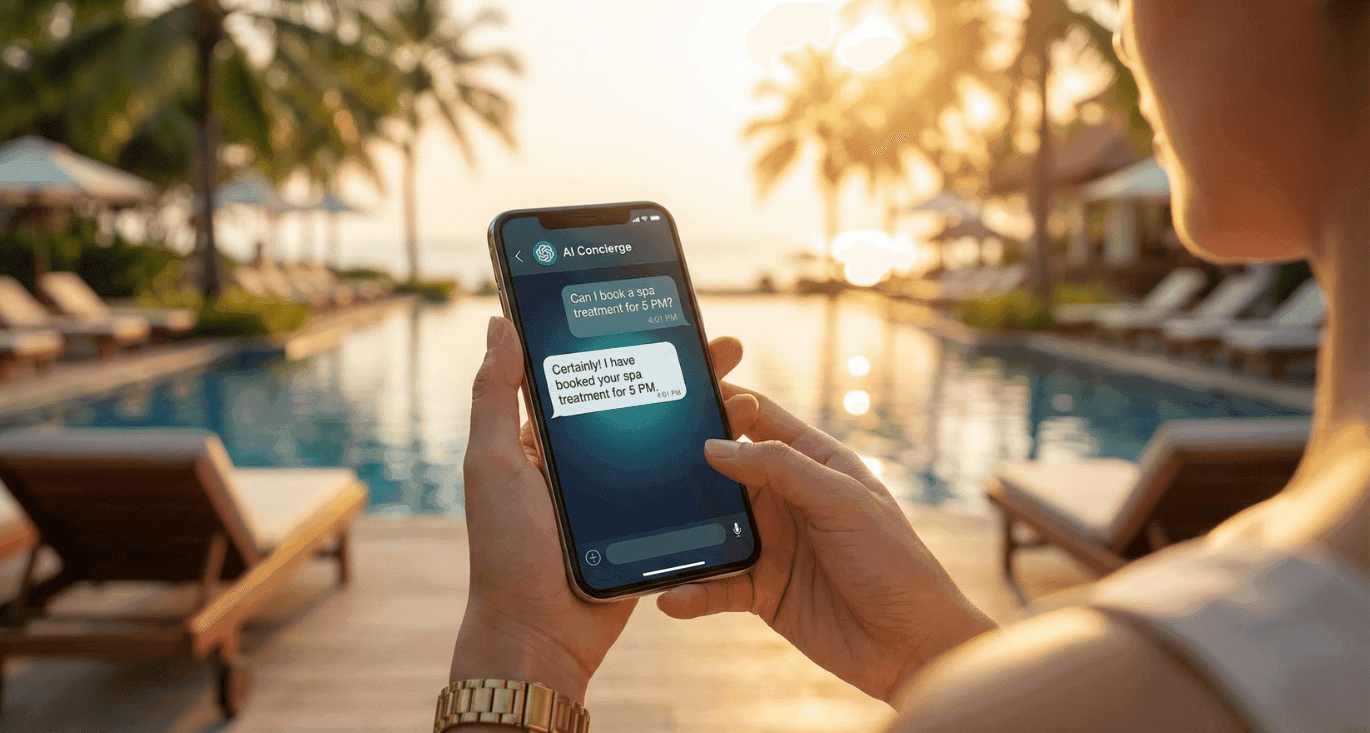
게스트 메시징 플랫폼이 PMS 데이터에 접근할 수 있나요? AI 컨시어지는 대화를 개인화하기 위해 PMS에서 예약 세부 정보, 게스트 선호도, 속성 정보를 필요로 합니다.
하루에 수동 데이터 전송이 몇 번 발생하나요? 시스템 간의 모든 수동 내보내기, 가져오기 또는 복사-붙여넣기는 데이터 품질 위험과 부적절한 통합의 신호입니다.
AI에 중요한 이유: MuleSoft 2025 Connectivity Benchmark 결과는 반복할 가치가 있습니다: 강력한 통합으로 10.3배 ROI, 열악한 연결성으로 3.7배. 통합은 IT 문제가 아닙니다. AI 투자 수익률에서 가장 큰 변수입니다.
Oracle OPERA Cloud의 OHIP(3,000개 이상의 API) 또는 Mews의 개방형 API(1,000개 이상의 통합)와 같은 강력한 통합 생태계를 갖춘 PMS 플랫폼은 호텔에 AI 성공의 기반을 제공합니다. 폐쇄형 또는 제한된 PMS 플랫폼은 어떤 AI 도구도 달성할 수 있는 상한선을 만듭니다.
객실 및 재고 데이터가 일관되게 구조화되어 있나요?
AI 도구는 속성의 객실 유형, 카테고리, 편의 시설, 가용성을 구조화되고 일관된 형식으로 이해해야 합니다. PMS가 일관성 없는 명명 규칙이나 불완전한 객실 설명을 사용하면 AI 출력이 혼란스러워집니다.
확인할 사항:
객실 유형이 일관되게 명명되어 있나요? 동일한 PMS에서 "Deluxe King," "DLX King," "Deluxe K"는 예약, 가격 책정, 업셀링 기능에서 객실 유형을 일치시켜야 하는 AI 시스템을 혼란스럽게 합니다.
객실 편의 시설과 기능이 정확하게 나열되어 있나요? 게스트의 객실에 오션 뷰가 없는데 있다고 말하는 AI 컨시어지는 AI가 전혀 없는 것보다 더 나쁜 신뢰 문제를 만듭니다.
객실이 서비스에서 제외될 때 재고가 실시간으로 업데이트되나요? 유지보수 중인 객실, 그룹을 위해 차단된 객실, VIP를 위해 보류된 객실은 AI의 가용성 데이터에 정확하게 반영되어야 합니다.
요금 계획이 객실 유형에 깔끔하게 매핑되어 있나요? AI 가격 책정 엔진은 효과적으로 최적화하기 위해 객실 카테고리와 요금 구조 간의 명확한 관계가 필요합니다.
AI에 중요한 이유: 일관성 없는 재고 데이터는 AI가 이용할 수 없는 객실에 대한 제안을 하거나, 잘못된 카테고리 할당에 기반하여 객실 가격을 책정하거나, 의미 없는 업그레이드를 추천하게 만듭니다. 객실 및 요금 설정의 데이터 위생은 게스트 경험 품질에 직접 영향을 미칩니다.
PMS가 타사 AI 도구와 데이터를 안전하게 공유할 수 있나요?
데이터 보안 및 개인정보 보호 준수는 AI 통합에 있어 양보할 수 없는 요구 사항입니다. PMS는 게스트 개인정보, GDPR 준수, 보안 인증을 유지하면서 AI 도구와 데이터를 공유해야 합니다.
확인할 사항:
PMS가 보안 API 인증(OAuth 2.0 또는 동등한 것)을 지원하나요? 타사 AI 도구는 PMS 데이터에 안전하고 인증된 접근이 필요합니다.
게스트 PII(개인 식별 정보)가 GDPR, CCPA 및 기타 적용 가능한 규정에 따라 처리되나요? 게스트 이름, 이메일 주소, 전화번호를 처리하는 AI 도구는 데이터 보호법을 준수해야 합니다.
어느 데이터 요소를 어느 타사 도구와 공유할지 제어할 수 있나요? 세분화된 데이터 접근 제어는 AI 가격 책정 도구가 게스트 연락처 세부 정보에 접근하지 않고 예약 데이터를 받도록 보장합니다.
PMS가 API 접근에 대한 감사 로그를 제공하나요? 어떤 시스템이 언제 어떤 데이터에 접근했는지 아는 것은 보안 준수에 필수적입니다.
AI에 중요한 이유: 부적절하게 통합된 AI 도구를 통한 데이터 유출은 평판과 법적 재앙입니다. 호텔은 모든 AI 통합이 보안 모범 사례를 따르고 개인정보 보호 규정을 준수하도록 해야 합니다. OHIP, Mews Marketplace 또는 Cloudbeds의 API와 같은 성숙한 통합 프레임워크를 갖춘 PMS 플랫폼은 플랫폼 수준에서 이러한 요구 사항 중 많은 부분을 처리합니다.
AI 훈련을 위한 과거 데이터가 충분히 깊나요?
AI 시스템은 과거 데이터의 패턴에서 학습합니다. 호텔의 현재 PMS에 예약 기록이 제한적이거나, PMS 마이그레이션 중 과거 데이터가 손실되었다면 AI가 학습할 것이 적어 예측 정확도가 떨어집니다.
확인할 사항:
PMS에 몇 년의 깨끗한 예약 데이터가 포함되어 있나요? AI 수익 관리 시스템은 일반적으로 정확한 예측을 위해 2~3년의 과거 데이터로부터 혜택을 받습니다.
마지막 PMS 마이그레이션 중 과거 데이터가 보존되었나요? 많은 호텔이 클라우드 PMS 마이그레이션 중 수년간의 예약 기록을 잃어 얕은 데이터 기반으로 AI 여정을 시작합니다.
과거 데이터가 소스, 요금 유형, 게스트 유형별로 세분화되어 있나요? 집계된 총계는 AI 패턴 인식을 위한 세분화된 데이터보다 덜 유용합니다.
데이터에서 계절적 패턴이 보이나요? AI 수요 예측은 반복되는 패턴을 식별하는 데 의존합니다. 데이터가 충분한 계절 주기를 포괄하지 않으면 예측이 덜 신뢰할 수 있습니다.
AI에 중요한 이유: Cloudbeds Signals AI 모델은 최대 95%의 정확도로 90일 앞을 예측하지만, 그 정확도는 모델을 훈련하기 위한 충분한 과거 데이터에 의존합니다. 새로운 PMS로 마이그레이션하는 호텔은 마이그레이션 프로세스의 일부로 과거 데이터 전송을 우선시해야 하며, 사후 고려가 되어서는 안 됩니다.
직원이 데이터를 일관되게 기록하나요?
세계 최고의 PMS도 그 안에 입력된 데이터만큼만 좋습니다. 프런트 데스크 직원이 필드를 건너뛰거나, 일관성 없는 형식을 사용하거나, 빠른 해결책을 위해 시스템을 우회하면 AI가 의존하는 데이터가 빠르게 저하됩니다.
확인할 사항:
직원이 게스트 선호도, 요청, 불만을 PMS에 일관되게 기록하나요? 이 데이터는 AI 개인화를 공급합니다. 기록되지 않으면 AI는 개인화할 것이 없습니다.
체크인 및 체크아웃 프로세스가 디지털로 따르나요, 아니면 직원이 해결책을 사용하나요? 해결책은 시간이 지남에 따라 축적되는 데이터 격차를 만듭니다.
수익 데이터가 F&B, 스파, 부가 지출을 포함하여 완전히 캡처되나요? AI 업셀링 및 수익 최적화는 객실 수익뿐만 아니라 게스트의 총 지출을 볼 수 있을 때 가장 잘 작동합니다.
데이터 입력 표준이 문서화되고 시행되나요? 명확한 프로토콜이 없으면 데이터 품질은 전적으로 개별 직원의 규율에 달려 있습니다.
AI에 중요한 이유: iReckonu의 연구에 따르면, 호텔 체인의 78%가 이미 AI를 사용하고 있음에도 불구하고 데이터 공유는 AI를 확장하는 데 주요 장벽으로 남아 있습니다. 장벽은 기술이 아닙니다. 기술이 좋은 데이터로 작업할 수 있는지 결정하는 인간 프로세스입니다.
이 체크리스트를 사용하는 방법
7개 영역 각각에 대해 호텔을 평가하세요. 솔직하게. 목표는 체크리스트를 통과하는 것이 아니라 AI에 투자하기 전에 주의가 필요한 격차를 식별하는 것입니다.
대부분의 영역에서 좋은 점수를 받은 경우: AI 도구를 자신 있게 구현할 준비가 되어 있습니다. PMS에 적합한 AI 인텔리전스 계층을 선택하고 긴밀한 통합을 보장하는 데 집중하세요.
게스트 프로필 및 예약 데이터(영역 1 및 2)에 격차가 있는 경우: 데이터 정리 프로젝트를 우선시하세요. 프로필을 중복 제거하고, 데이터 입력 표준을 수립하며, 모든 예약 채널에서 실시간 데이터 흐름을 보장하세요. 이는 일반적으로 속성 규모에 따라 4~8주 정도의 노력입니다.
시스템이 사일로화되어 있는 경우(영역 3): 이는 가장 영향력 있는 수정입니다. PMS의 API 기능을 평가하고 AI에 투자하기 전에 통합에 투자하세요. ROI 차이(10.3배 대 3.7배)는 통합을 가장 높은 수익의 기술 투자로 만듭니다.
과거 데이터가 부족한 경우(영역 6): 지금 깨끗한 데이터를 캡처하기 시작하세요. 좋은 데이터 수집의 매일은 AI의 학습 곡선을 가속화합니다. 최근 PMS 플랫폼을 마이그레이션한 경우, 과거 데이터를 소급하여 가져올 수 있는지 조사하세요.
직원 데이터 입력이 일관되지 않은 경우(영역 7): 이는 기술 문제가 아니라 프로세스 문제입니다. 명확한 데이터 입력 프로토콜을 수립하고, 직원을 교육하며, 일상 운영에 품질 검사를 구축하세요. 비용은 최소입니다. AI 성능에 미치는 영향은 상당합니다.
기다림의 비용
Mews CEO Matt Welle은 2026년 산업 전망에서 호텔이 지금 AI 기반을 구축하거나 더 잘 준비된 경쟁자가 앞서가는 것을 지켜보게 될 것이라고 직설적으로 말했습니다. 호텔 기술 출판물 Hotel Tech Report는 2026년을 호텔 전환의 성패를 가르는 해로 평가했습니다.
데이터 준비성 격차는 줄어들지 않고 있습니다. AI 도구가 더 정교해짐에 따라 깨끗하고 통합된 데이터를 가진 호텔과 단편화된 데이터 사일로를 가진 호텔 사이의 차이는 더 커집니다. 2026년에 데이터 기반을 수정하는 호텔은 복합 수익을 위한 위치를 잡습니다. 이 단계를 건너뛰고 나쁜 데이터 위에 AI 도구를 구매하는 호텔은 더 적은 것을 얻기 위해 더 많은 비용을 지출하게 될 것입니다.
데이터 준비성은 화려하지 않습니다. 좋은 LinkedIn 게시물을 만들지 않습니다. 하지만 호텔의 AI 투자가 실제 수익을 제공할지 아니면 비용이 많이 드는 저성과자가 될지를 결정하는 가장 중요한 요소입니다.
FAQ
호텔 데이터가 AI를 위한 준비가 되어 있는지 어떻게 알 수 있나요? 7개 영역을 평가하세요: 게스트 프로필 품질, 예약 데이터 완전성, 시스템 통합, 재고 데이터 일관성, 데이터 보안, 과거 데이터 깊이, 직원 데이터 입력 관행. 깨끗하고 통합된 데이터와 강력한 시스템 통합을 가진 호텔은 AI 이니셔티브에서 최대 10.3배의 ROI를 봅니다. 데이터 품질이 낮고 연결되지 않은 시스템을 가진 호텔은 훨씬 낮은 수익을 봅니다.
AI를 위한 데이터 준비가 된 호텔의 비율은 얼마인가요? iReckonu 연구에 따르면 HotelSpeak가 보고한 바에 따르면, 호텔 체인의 22%만이 AI와 자동화 도구를 지원하는 중앙 집중식 데이터 구조를 갖추고 있습니다. 체인의 78%가 어떤 형태로든 AI를 사용한다고 보고하지만, 대부분의 노력은 데이터 기반이 마련되지 않았기 때문에 대규모 구현보다는 파일럿이나 공개 도구에 국한됩니다.
호텔 AI 도입의 가장 큰 데이터 장벽은 무엇인가요? 시스템 통합입니다. Skift Research(2025)에 따르면, 호텔 리더의 93%가 시스템 통합을 가장 중요한 전략적 기술 과제로 꼽습니다. MuleSoft 2025 Connectivity Benchmark에 따르면, 95%의 조직이 AI 구현을 방해하는 데이터 통합 문제를 겪고 있습니다. 실시간으로 데이터를 공유하지 않는 사일로화된 시스템은 AI가 필요한 완전한 그림에 접근하는 것을 방지합니다.
PMS 데이터를 AI 준비 상태로 만드는 데 얼마나 걸리나요? 시작점에 따라 다릅니다. 일반적으로 좋은 데이터가 있고 정리 및 통합 개선이 필요한 호텔은 4~8주 안에 AI 준비 상태가 될 수 있습니다. 심하게 단편화된 데이터, 여러 연결되지 않은 시스템, 통합 인프라가 없는 호텔은 AI 도구가 의미 있는 결과를 제공하기 전에 3~6개월의 데이터 통합 작업이 필요할 수 있습니다.
PMS 플랫폼을 전환하면 AI 준비성이 향상되나요? 새로운 PMS가 더 강력한 API 기능, 더 나은 통합 옵션, 내장된 데이터 품질 도구를 갖추고 있다면 그럴 수 있습니다. Oracle OPERA Cloud(OHIP를 통한 3,000개 이상의 API), Mews(1,000개 이상의 통합), Cloudbeds(성장하는 통합 생태계)와 같은 플랫폼은 AI가 요구하는 데이터 연결성을 위해 설계되었습니다. 하지만 PMS 전환은 마이그레이션이 신중하게 처리되지 않으면 과거 데이터를 잃을 위험도 있습니다.
AI가 불완전한 데이터로 작동할 수 있나요? AI는 불완전한 데이터로 작동할 수 있지만, 결과는 비례적으로 약해집니다. 누락된 게스트 프로필은 개인화가 줄어듦을 의미합니다. 지연된 예약 데이터는 정확하지 않은 가격 책정을 의미합니다. 사일로화된 시스템은 부분적인 통찰을 의미합니다. 어떤 AI 도구도 근본적인 데이터 품질 문제를 보완할 수 없습니다. 데이터를 먼저 수정한 다음, 최상의 결과를 위해 AI를 계층화하세요.
먼저 해야 할 일: AI 도구를 구매할지, 데이터를 수정할지? 데이터를 수정하세요. 데이터 품질 개선의 수익은 불량 데이터 위에 배포된 어떤 AI 도구의 수익보다 높고 확실합니다. 가장 영향력 있는 수정인 시스템 통합부터 시작한 다음, 데이터 청결성을 해결하고, 깨끗하고 연결된 데이터 기반을 최대한 활용할 수 있는 AI 도구에 투자하세요.
Related posts

AI hotel housekeeping: what PMS data makes possible
Discover how AI is revolutionizing hotel housekeeping by leveraging real-time PMS data to achieve 60% faster room assig…

How to evaluate AI concierge vendors: a hotel checklist
Navigating the crowded field of AI concierge vendors can be daunting for hotels, but a structured evaluation is key to…
Hotel upselling with AI: what the conversion data actually shows
Discover how AI is revolutionizing hotel upselling, with conversion rates soaring from a mere 4% to over 30% through pe…
호텔을 혁신할 준비가 되셨습니까?
무료 전략 상담을 예약하시고 Lynn이 귀하의 호텔에서 어떻게 작동하는지 직접 확인하십시오.