Generationsübergreifende Gästeerwartungen und KI: Was Gen Z, Millennials und Boomers wirklich wollen
Entdecken Sie, wie generationsbedingte Unterschiede die Erwartungen von Gästen an KI in der Hotellerie prägen, von der Forderung der Gen Z nach sofortiger, unsichtbarer Automatisierung bis zur Präferenz der Boomers für nahtlosen, menschenähnlichen Service. Erfahren Sie, warum die erfolgreichsten Hotels diejenigen sind, deren KI sich an den Gast anpasst und nicht umgekehrt, in unserem neuesten Vertize-Blogbeitrag.
Generationsübergreifende Gästeerwartungen und KI: Was Gen Z, Millennials und Boomers wirklich wollen
TL;DR: Die Frage ist nicht, ob Hotelgäste KI wollen. Es geht darum, wie unterschiedliche Generationen möchten, dass KI sich verhält. Gen Z erwartet sofortige, unsichtbare Automatisierung als Standard. Boomers wollen einen Service, der so nahtlos ist, dass sie nie bemerken, dass er von einer Maschine angetrieben wird. Die Hotels, die gewinnen, sind diejenigen, deren KI sich an den Gast anpasst und nicht umgekehrt.
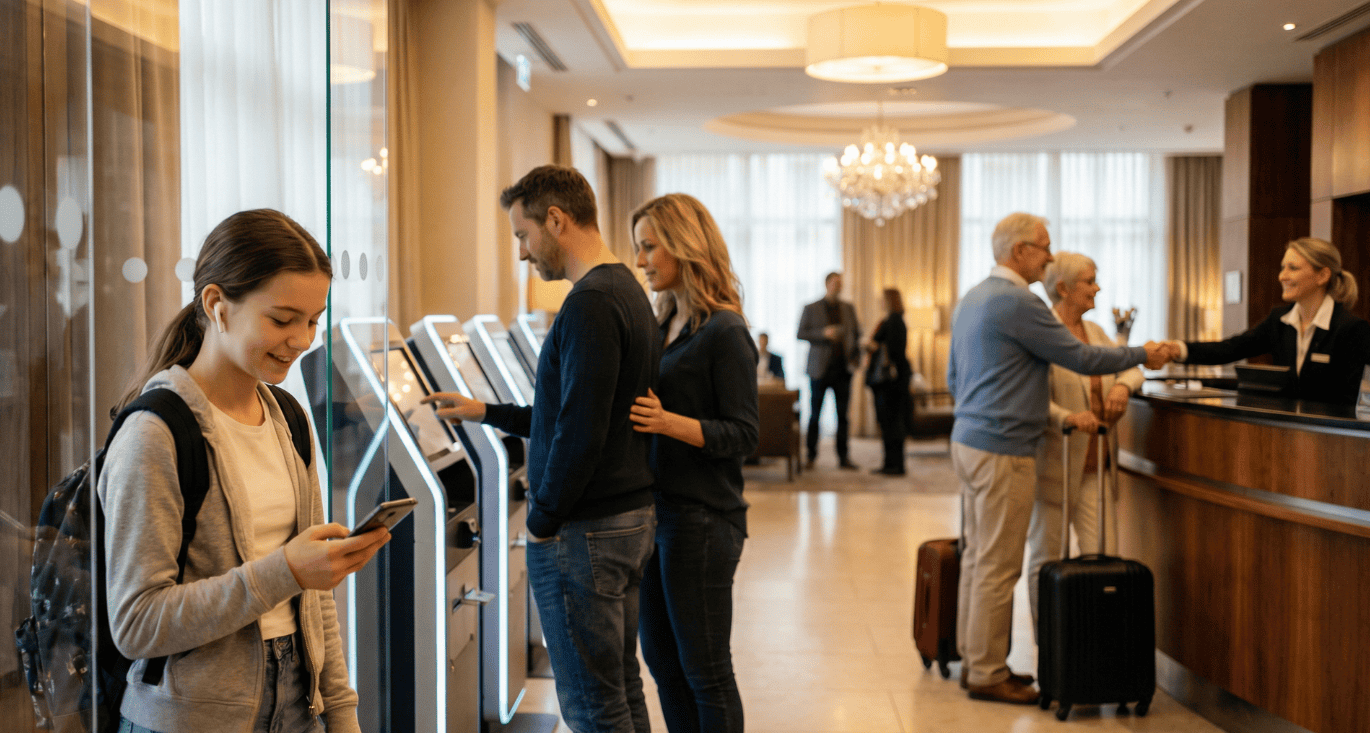
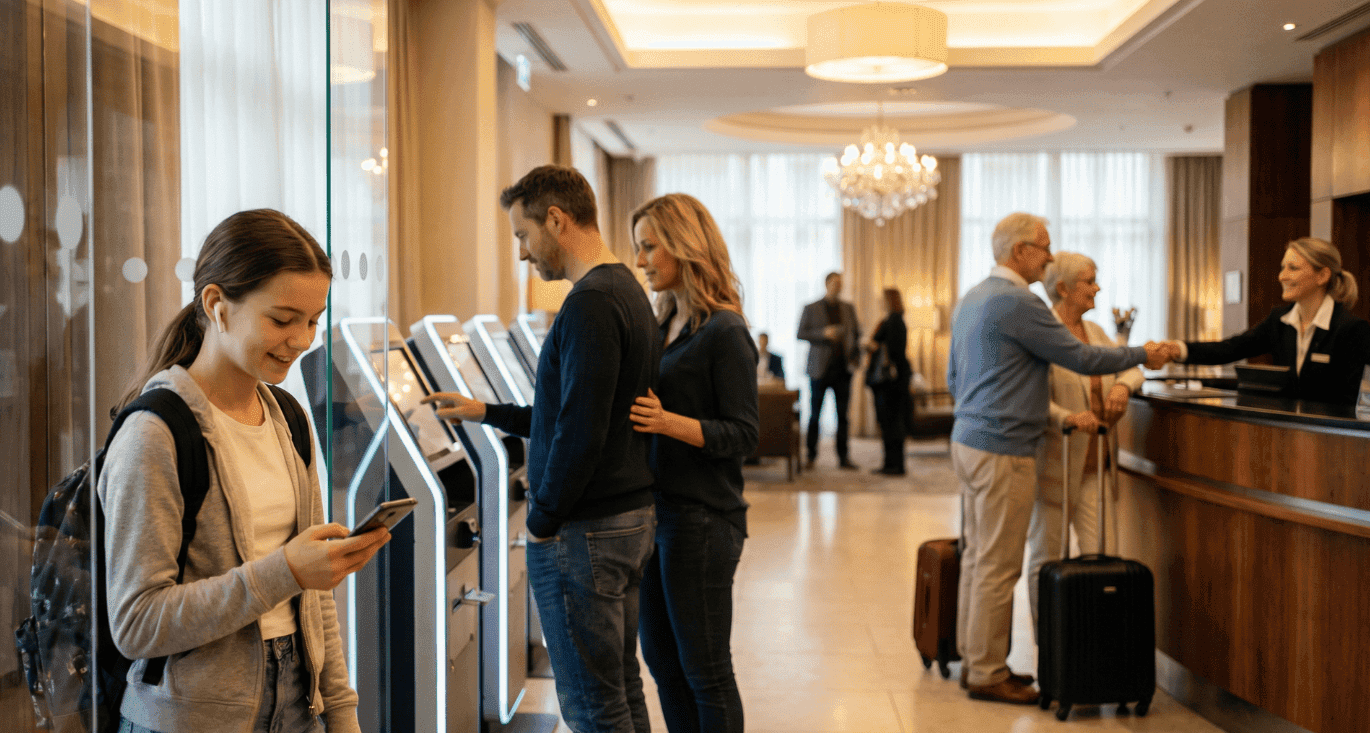
Die Hotellerie liebt eine klare Erzählung. Gäste wollen KI. Gäste hassen KI. Die Realität ist, wie bei den meisten Dingen, die es wert sind, verstanden zu werden, komplexer. Ein 20-jähriger Rucksacktourist, der in einem Bangkok-Hostel über Instagram-DM eincheckt, und ein Rentnerehepaar, das eine toskanische Villa für Restaurantempfehlungen anruft, sind beide Hotelgäste im Jahr 2026. Sie wollen nur völlig unterschiedliche Dinge von der Technologie, die ihnen dient.
Und diese Kluft ist wichtiger, als die meisten Hotels realisieren. Da 86 % der Gäste sagen, dass sie KI-basierte Personalisierung schätzen, aber 81 % emotionale Authentizität als kritisches Anliegen markieren, sind die Daten nicht widersprüchlich. Sie sind generationsbedingt. Zu verstehen, wer Ihre Gäste sind, bestimmt, ob Ihre KI-Investition Loyalität aufbaut oder Frustration erzeugt.
Warum ist „wollen Gäste KI?“ die falsche Frage?
Die binäre Einordnung verfehlt den Punkt völlig. Jede Generation will besseren Service. Der Unterschied liegt darin, was „besser“ bedeutet: Für Gen Z bedeutet es schneller und autonomer. Für Baby Boomers bedeutet es persönlicher und menschlicher. KI kann beides liefern, aber nur, wenn Hotels aufhören, ihre Gästeschaft als einheitliche Gruppe zu behandeln.
Die Zahlen erzählen die Geschichte klar. Über 80 % der Gen-Z-Reisenden sind mit KI-gestützten Hoteldiensten vertraut, während nur 23 % der Baby Boomers dasselbe sagen. Das ist keine Technologielücke. Es ist eine Designlücke. Die Infrastruktur, die einem Boomer ein „menschlich anmutendes“ Erlebnis durch nahtlose Datenübergabe an das Personal gibt, ist genau dasselbe System, das Gen Z die sofortige Autonomie bietet, die sie erwarten. Das Paradox ist, dass die effektivste KI für Skeptiker und die effektivste KI für Enthusiasten dieselbe KI ist, nur unterschiedlich konfiguriert.
Was erwartet Gen Z wirklich von Hoteltechnologie?
Gen Z bewertet keine Hotel-KI. Sie bewertet das Hotel, und KI ist einfach der Mechanismus, über den Service stattfindet. Für diese Generation ist ein Chatbot kein Feature. Es ist Infrastruktur, so unsichtbar und erwartet wie fließendes Wasser.
Ihre Erwartungen konzentrieren sich auf drei Prinzipien: Mobile-First-Zugang zu allem, Messaging als Standardkommunikationskanal und Null-Toleranz für Reibungsverluste. Ein Gen-Z-Gast in Bangkok ruft nicht an der Rezeption an, um nach dem Wäscheservice zu fragen. Sie sendet eine Instagram-DM oder eine WhatsApp-Nachricht und erwartet eine Antwort innerhalb von 60 Sekunden. Wenn das Hotel nicht auf ihrem bevorzugten Kanal antworten kann, wechselt sie nicht den Kanal. Sie wechselt beim nächsten Mal das Hotel.
Diese Generation wählt Ziele basierend auf Social-Media-Visuals (78 % geben das an), bucht über mobile Apps und erwartet kontaktloses Check-in als Standard und nicht als Option. Sie sind auch die Generation, die am bereitwilligsten persönliche Daten im Austausch für personalisierten Service teilt, was eine starke Feedback-Schleife schafft: Je mehr das KI-Messaging-System lernt, desto mehr Wert liefert es, und desto mehr Daten sind sie bereit zu teilen.
Die entscheidende Nuance: Gen Z assoziiert Personalisierung mit Geschwindigkeit. „Die KI kennt mich“ bedeutet „sie hat mich nicht gebeten, meine Informationen zu wiederholen und mir sofort gegeben, was ich brauchte.“
Wie interagieren Millennials anders mit Hotel-KI?
Millennials sind 2026 die größte Gruppe aktiver Reisender und machen etwa 36 % der Hotelgäste aus. Sie treiben den Trend zu Workation, der Hotelabläufe neu gestaltet hat. Sie sind begeistert von Technologie, aber ihre Begeisterung ist bedingt: KI muss relevanten Mehrwert liefern, nicht nur Funktionalität.
Stellen Sie sich eine Millennial-Geschäftsreisende vor, die nach einem verspäteten Flug in einem Hotel in Amsterdam ankommt. Sie schreibt dem Hotel um 23 Uhr über WhatsApp wegen eines späten Check-outs. Sie möchte nicht anrufen. Sie möchte nicht zur Rezeption gehen. Sie möchte die Bestätigung im selben Chat-Verlauf, in dem sie auch die Frühstückszeiten für morgen früh prüfen kann. Für Millennials ist KI wertvoll, wenn sie Interaktionen in einen mühelosen Kanal zusammenführt.
Diese Generation hat die Nutzung generativer KI für Reiseplanung zwischen 2023 und 2025 verdreifacht. Sie sind die aktivsten Nutzer von KI-gestützten Reiseplanern großer Hotelketten. Aber ihre Beziehung zu KI ist transaktional, nicht emotional. Sie schätzen KI-Upselling-Vorschläge, wenn die Angebote wirklich relevant sind, wie eine kuratierte lokale Restaurantempfehlung statt eines generischen Spa-Rabatts, und sie bestrafen Irrelevanz schnell.
Wo Gen Z Personalisierung mit Geschwindigkeit gleichsetzt, setzen Millennials sie mit Relevanz gleich. „Die KI kennt mich“ bedeutet „sie hat mir etwas empfohlen, das ich wirklich wollte.“
Was ist mit Gen X und Baby Boomers?
Gen X ist die Generation, die in Hoteltechnologie-Diskussionen am häufigsten übersehen wird, und das ist ein Fehler. Sie machen etwa 25 % der Hotelgäste mit erheblicher Kaufkraft aus und sind häufig die Entscheidungsträger für multigenerationelle Familienreisen. Ihr Umgang mit Hoteltechnologie ist gnadenlos pragmatisch: Sie nutzen digitales Check-in, wenn es Zeit spart, haben aber null Geduld für Technologie, die neue Reibungsverluste erzeugt.
Eine Gen-X-Familie, die in einem Küstenresort ankommt, braucht keinen Lobby-Roboter oder einen Sprachassistenten im Zimmer. Sie wollen eine Hotel-App, mit der sie eine Kajak-Tour buchen können, ohne in einer Schlange zu stehen, Poolzeiten prüfen können, ohne den Concierge anzurufen, und die Restaurantrechnung bezahlen können, ohne einen Kellner herbeizuwinken. Ihre bevorzugten Kommunikationskanäle wechseln je nach Kontext: E-Mail für Vorab-Bestätigungen, WhatsApp für schnelle Fragen während des Aufenthalts und Telefon, wenn etwas schiefgeht. Komplexität ist ihr größtes Ärgernis mit KI-Systemen.
Baby Boomers, ebenfalls etwa 25 % der Gästeschaft, bleiben die am meisten missverstandene Generation in Hotel-KI-Diskussionen. Die 23 %-Komfort-Statistik wird oft als Beweis dafür zitiert, dass diese Generation Technologie ablehnt. Diese Lesart ist unvollständig. Boomers lehnen schlechte Technologie ab. Sie lehnen offensichtliche Automatisierung ab. Sie lehnen das Gefühl ab, von einer Maschine verwaltet zu werden. Aber sie werden die stärksten Befürworter, wenn KI so gut funktioniert, dass sie sie nie bemerken.
Ein Boomer-Paar in der Toskana ruft im Hotel an, um eine Restaurantempfehlung zu erhalten. Der Rezeptionist, informiert durch das KI-System, dass es sich um einen wiederkehrenden Gast handelt, der zuvor Meeresfrüchte mochte und Jubiläumsanlässe gebucht hat, schlägt ein Restaurant am Wasser mit einem privaten Tisch vor. Der Gast erlebt dies als außergewöhnlichen menschlichen Service. Die KI war der unsichtbare Motor hinter der Empfehlung. So nutzen Hotels KI tatsächlich auf eine Weise, die bei jeder Generation ankommt: nicht als Ersatz für Menschen, sondern als System, das Menschen besser bei ihrer Arbeit macht.
Boomers repräsentieren auch das Segment, in dem mehrsprachige KI überproportionalen Wert liefert. Ältere internationale Reisende, die weniger fließend Englisch sprechen, profitieren enorm von der Möglichkeit, in ihrer Muttersprache mit Hoteldiensten zu kommunizieren, auch wenn sie nie realisieren, dass eine Maschine übersetzt.
Was bedeutet das für die KI-Strategie Ihres Hotels?
Ihre Gästestruktur bestimmt Ihre KI-Konfiguration. Ein Boutique-Stadthotel, das auf Digital Nomads und Gen-Z-Rucksacktouristen abzielt, braucht eine grundlegend andere Einrichtung als ein Luxusresort, in dem 60 % der Gäste über 55 sind. Die Tabelle unten zeigt Präferenzen über die Dimensionen, die für Implementierungsentscheidungen am wichtigsten sind.
Dimension | Gen Z (geboren 1997-2012) | Millennials (geboren 1981-1996) | Gen X (geboren 1965-1980) | Baby Boomers (geboren 1946-1964) |
|---|---|---|---|---|
Anteil der Hotelgäste (Schätzung 2026) | ~14 % | ~36 % | ~25 % | ~25 % |
Primärer Buchungskanal | Direkte Mobile App | OTA / Hotel-Website | Website auf Desktop | Telefon / direkt |
Bevorzugte Hotelkommunikation | WhatsApp / Instagram DM | WhatsApp / Hotel-App | E-Mail / WhatsApp | Telefon / persönlich |
Erwartete Antwortzeit | Unter 1 Minute | Unter 5 Minuten | Unter 15 Minuten | Sofort (Telefon) / 4 Stunden (E-Mail) |
KI-Komfortniveau | Sehr hoch (>80 %) | Hoch | Mittel | Niedrig (23 %) |
Präferenz für kontaktloses Check-in | Unverzichtbar | Stark bevorzugt | Bevorzugt | Optional |
KI für FAQ und Informationen | Als Standard erwartet | Sehr akzeptabel | Akzeptabel | Nur Basisinformationen |
KI für Reservierungen und Buchungen | Bevorzugt (Geschwindigkeit) | Akzeptabel | Mittel | Niedrig (sucht Bestätigung) |
Aufgeschlossenheit gegenüber KI-Upselling | Positiv, wenn relevant | Positiv, wenn wertvoll | Mittel | Skeptisch |
Escalation an Menschen bei Beschwerden | Nur wenn KI versagt | Bevorzugt Mensch | Starke Präferenz | Absolut erforderlich |
Relevanz mehrsprachiger KI | Mittel | Mittel | Hoch | Sehr hoch |
Definition von Personalisierung | Geschwindigkeit und Autonomie | Relevanz und Optionen | Zeitersparnis | Unsichtbarer, „menschlicher“ Service |
Größtes KI-Ärgernis | Langsamkeit oder Wiederholung | Fehlende Relevanz | Komplexität | Fehlende Empathie |
Die praktischen Implikationen sind klar. Ein Hotel mit einer jungen, internationalen Gästeschaft sollte stark in die Abdeckung von Messaging-Kanälen und Antwortzeiten unter einer Minute investieren. Eine Immobilie mit älterer, loyalitätsorientierter Kundschaft sollte sich auf KI konzentrieren, die das Personal mit Gästeintelligenz vor persönlichen Interaktionen ausstattet. Die meisten Hotels bedienen eine gemischte Demografie, was bedeutet, dass das KI-System flexibel genug sein muss, um alle diese Präferenzen gleichzeitig zu bedienen.
Warum passt sich die beste Hotel-KI an den Gast an und nicht umgekehrt?
Die Forschung führt zu einer einzigen Schlussfolgerung: Die Generationskluft geht nicht um Technologieakzeptanz. Es geht um Kanalpräferenzen, Erwartungen an Antwortzeiten und die gewünschte Sichtbarkeit von Automatisierung. Das sind Konfigurationsentscheidungen, keine Technologieentscheidungen.
Hier zählt die Architektur des KI-Systems mehr als jedes einzelne Feature. Ein System wie Lynn, das über Chat-, Sprach- und Messaging-Kanäle in über 50 Sprachen arbeitet, zwingt Gäste nicht in ein einziges Interaktionsmodell. Es lässt den Gen-Z-Reisenden über WhatsApp schreiben und eine sofortige Antwort erhalten. Es lässt den Boomer an der Rezeption anrufen und mit einem Mitarbeiter sprechen, der bereits ihre Vorlieben kennt, weil Lynn sie bereitgestellt hat. Es lässt den Millennial-Geschäftsreisenden einen späten Check-out per Text um Mitternacht arrangieren, ohne jemanden aufzuwecken.
Das Konzept ist nicht „einen Kanal wählen“. Es ist „den Gast wählen lassen“. Und wenn das System erkennt, dass eine Konversation emotionale Nuancen erfordert, wie eine Beschwerde oder eine besondere Anfrage, eskaliert es nahtlos zu einem Menschen. Eine Studie der University of South Florida ergab, dass 81 % der Gäste emotionale Authentizität als kritische Lücke in KI-Interaktionen identifizieren. Eskalation ist kein Backup-Plan. Es ist ein Kernfeature.
Hotels, die Lynn auf ihre spezifische Gästedemografie konfigurieren, berichten, dass die Generationslücke bei der Zufriedenheit deutlich schrumpft. Nicht weil ältere Gäste plötzlich Chatbots lieben, sondern weil das System sie dort abholt, wo sie sind: am Telefon, in ihrer Sprache, mit einem Menschen, wenn nötig.
Die Gewinner 2026 sind nicht die Hotels mit der meisten KI. Es sind die Hotels, deren KI für Gäste, die sie unsichtbar wollen, am unsichtbarsten und für Gäste, die sie responsiv wollen, am responsivsten ist. Das erfordert ein System, das von Grund auf für Anpassungsfähigkeit gebaut wurde, nicht einen Chatbot, der auf eine Website aufgesetzt wurde.
Akzeptieren ältere Hotelgäste KI-gestützten Service?
Ja, aber mit wichtigen Bedingungen. Nur 23 % der Baby Boomers sagen, dass sie mit KI in der Hotellerie vertraut sind, aber diese Zahl spiegelt Einstellungen gegenüber sichtbarer KI wider. Wenn KI im Hintergrund arbeitet, das Personal über Gästepräferenzen informiert, Zimmerzuweisungen automatisiert oder Reservierungsdetails vorlädt, profitieren ältere Gäste ohne Reibungsverluste. Der Schlüssel ist, KI unsichtbar zu machen: die menschliche Interaktion zu verbessern, anstatt sie zu ersetzen.
Welche Generation nutzt am ehesten einen Hotel-Chatbot?
Gen Z und Millennials sind die häufigsten Chatbot-Nutzer, aber aus unterschiedlichen Gründen. Gen Z behandelt Chatbots als Standardkommunikationskanal und erwartet Antworten unter einer Minute auf Messaging-Plattformen. Millennials nutzen Chatbots, wenn sie Komfort gegenüber Alternativen bieten, insbesondere für Anfragen außerhalb der Geschäftszeiten. Gen X nutzt sie für einfache Anfragen, wechselt aber bei komplexen Themen zu Telefon oder E-Mail.
Sollten Luxushotels KI vermeiden, weil ihre Gäste älter sind?
Nein. Luxushotels mit älterer Kundschaft haben am meisten von gut implementierter KI zu gewinnen, weil ihre Gäste die höchsten Erwartungen an personalisierten Service haben. KI, die es dem Personal ermöglicht, Vorlieben zu erinnern, Bedürfnisse zu antizipieren und durchgehend makellose Erlebnisse zu liefern, ist genau das, was Luxusgäste verlangen. Die KI sollte dem Personal dienen, nicht es ersetzen.
Wie unterscheidet sich KI-Personalisierung je nach Generation?
Gen Z definiert Personalisierung als Geschwindigkeit und Reibungsverlustfreiheit. Millennials definieren sie als Relevanz von Empfehlungen und Angeboten. Gen X definiert sie als Zeitersparnis bei Routineaufgaben. Baby Boomers definieren sie als das Gefühl, dass das Personal sie wirklich kennt und sich um sie kümmert. Ein einziges KI-System kann alle vier liefern, vorausgesetzt, es ist mit dem PMS verbunden und so konfiguriert, dass es seine Ausgabe je nach Kanal und Kontext anpasst.
Variieren generationsbedingte KI-Präferenzen je nach Region?
Ja. Die oben beschriebenen Generationsmuster sind in Nordamerika und Westeuropa am konsistentesten. In asiatisch-pazifischen Märkten ist die KI-Akzeptanz tendenziell höher in allen Altersgruppen, insbesondere in Japan, Südkorea und China. In Regionen, in denen die Smartphone-Nutzung bei älteren Bevölkerungsgruppen geringer ist, sind die Generationsunterschiede tendenziell größer. Hotels, die internationale Gäste bedienen, brauchen KI, die sich nicht nur an Alter, sondern auch an Sprache und kulturelle Kommunikationsnormen anpasst.
Welcher Prozentsatz der Hotelgäste bevorzugt kontaktloses Check-in?
Etwa 73 % aller Reisenden bevorzugen Hotels, die kontaktlose Check-in-Optionen anbieten. Diese Präferenz ist bei Gen Z und Millennials nahezu universell, stark bei Gen X und optional, aber wachsend bei Baby Boomers. Selbst unter älteren Gästen, die eine kurze menschliche Interaktion beim Check-in bevorzugen, schätzen viele die Möglichkeit, die Warteschlange in Stoßzeiten zu umgehen.
Wie sollte ein Hotel mit gemischtem Altersprofil an KI herangehen?
Beginnen Sie mit einem System, das mehrere Kanäle abdeckt: Messaging, Sprache und persönliche Unterstützung durch personalbezogene Intelligenz. Konfigurieren Sie die KI so, dass sie Routineanfragen sofort über alle Kanäle bearbeitet, während komplexe oder emotionale Anfragen an menschliches Personal eskaliert werden. Überprüfen Sie Ihre Gästedemografiedaten vierteljährlich und passen Sie die Kanalprioritäten entsprechend an. Das Ziel ist nicht eine Einheitsautomatisierung, sondern adaptiver Service, der jeden Gast auf seinen bevorzugten Bedingungen trifft.
Fragen Sie sich, wie Ihre spezifische Gästemischung auf KI reagieren würde? Das Team von Vertize kann die Gästedemografie Ihrer Immobilie analysieren und die richtige Kanalkonfiguration für Lynn empfehlen.
Related posts
KI-Gastnachrichten für Hotels: Kanäle, Ergebnisse und was Gäste wirklich bevorzugen
KI-Gastnachrichten revolutionieren die Hotellerie: 92 % der Hotels haben diese Technologie bereits eingeführt oder plan…
KI + CRS + PMS: Wie die drei Systeme eigentlich miteinander kommunizieren sollten (und es meistens nicht tun)
In der komplexen Welt der Hoteltechnologie ist die Integration von KI mit Central Reservation Systems (CRS) und Propert…
Hotel-Gastpräferenz-Speicher: Wie KI ein Profil über jeden Aufenthalt hinweg aufbaut (ohne unheimlich zu sein)
Entdecken Sie, wie KI Hotel-Gasterlebnisse transformiert, indem sie ein Präferenzgedächtnis aufbaut, das individuelle B…
Bereit, Ihr Hotel zu Transformieren?
Buchen Sie ein kostenloses Strategiegespräch und erfahren Sie genau, wie Lynn in Ihrem Haus arbeiten würde.