How hotels are using AI automation to solve their biggest operational headache
Feb 16, 2026
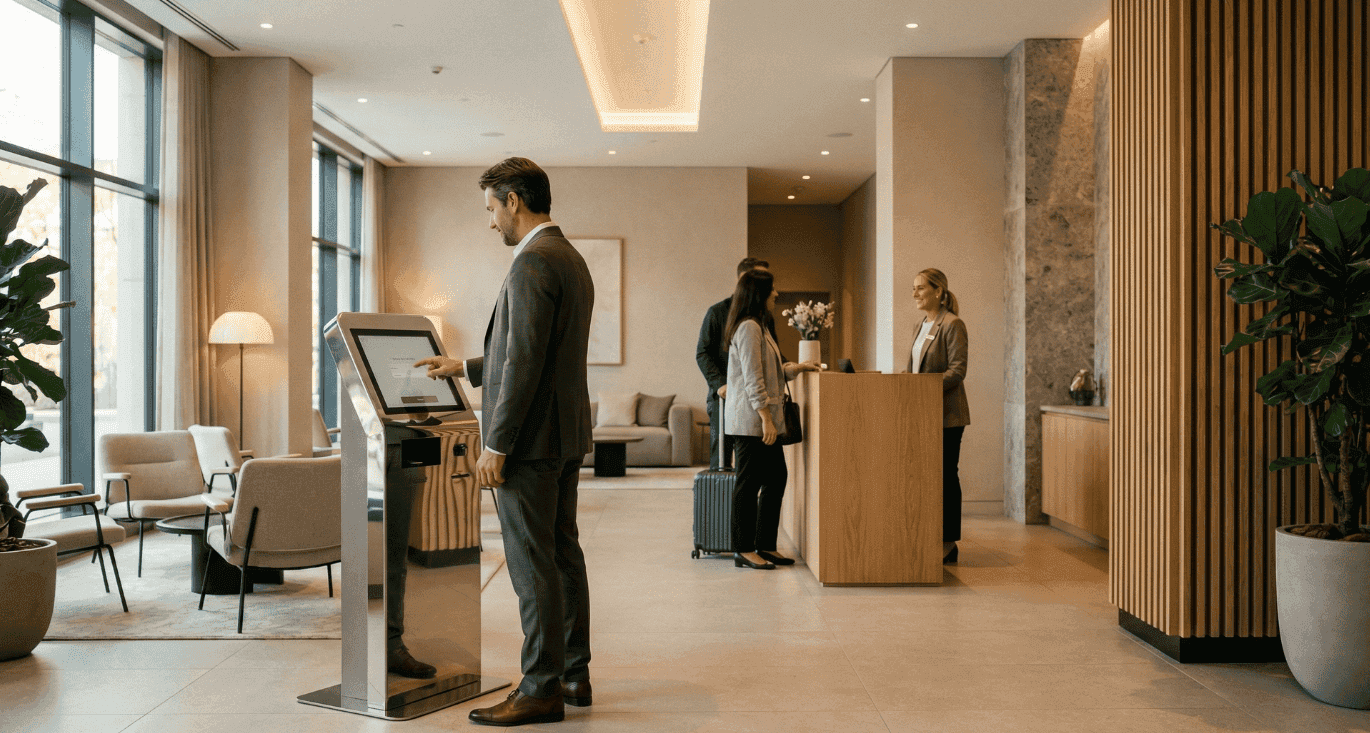
The hospitality industry is facing a problem that keeps general managers up at night. Staff shortages have become the new normal, with recent data showing that 70 to 76 percent of hotels are struggling to fill positions. We're talking about 1.4 million open hospitality jobs worldwide, and the gap isn't closing anytime soon.
Meanwhile, labor costs continue climbing. They already eat up roughly one-third of hotel revenue, which means every efficiency gain directly impacts your bottom line. But here's where it gets interesting: hotels that have embraced AI automation aren't just surviving this crisis. They're actually thriving.
This isn't about replacing your team with robots. It's about giving your people the space to do what humans do best while letting technology handle the repetitive stuff that burns them out.
The real cost of running understaffed
Before diving into solutions, let's be honest about what chronic understaffing actually costs you. It's not just the obvious overtime expenses or the agency fees when you're desperately filling shifts.
Understaffed properties consistently underperform on upselling and cross-selling opportunities. When your front desk agent is juggling check-ins, phone calls, and a line of guests waiting with questions, they're not thinking about room upgrades or spa packages. They're thinking about survival.
Service quality takes a hit too. Response times stretch from minutes to hours. Guest requests fall through the cracks. And your best employees, the ones carrying the heaviest load, start looking for jobs that won't burn them out.
The traditional solution has been to throw more money at the problem. Higher wages, signing bonuses, better benefits. But when you're already spending a third of revenue on labor, there's only so much room to maneuver.
Where AI automation makes the biggest difference
Not all hotel operations benefit equally from automation. The highest returns come from targeting specific areas where repetitive tasks consume disproportionate staff time.
Front desk and check-in operations
The front desk has always been a bottleneck. Guests arrive in waves, creating peaks that require maximum staffing followed by valleys where expensive labor sits idle. AI-driven solutions are changing this equation entirely.
Self-service kiosks and mobile check-in systems let guests bypass the traditional desk experience when they prefer speed over interaction. More importantly, AI-powered online check-in can now handle identity verification, payment processing, and room assignment automatically. This isn't the clunky kiosk experience from a decade ago. Modern systems guide guests through a seamless process that often takes less time than waiting in line.
Hotels implementing these systems report front desk labor cost reductions of 20 to 30 percent when a substantial portion of guests opt for self-service. But the real win isn't just cost savings. Your remaining front desk staff can actually focus on guests who need personal attention, complex requests, or that high-touch welcome experience that creates loyalty.
Guest messaging and FAQ handling
Think about how many times your team answers the same questions every day. What time is check-out? What's the wifi password? Where can I park? Is the pool open?
AI chatbots and virtual assistants handle these queries instantly, around the clock, in multiple languages. Industry studies suggest that 60 to 80 percent of routine guest inquiries can be resolved automatically. And guests are increasingly comfortable with this approach. Research indicates around 70 percent of travelers find chatbots useful for simple requests.
The impact on phone traffic is even more dramatic. Properties using AI voice agents and chatbots have seen contact center volume drop by up to 60 percent. One documented case showed an 87 percent reduction in call center workload after implementing an AI-powered voice assistant.
That's not just cost savings. That's fundamentally changing how your team spends their day.
Housekeeping scheduling and operations
Housekeeping represents one of the largest labor cost centers in any hotel. Traditional scheduling approaches create inevitable inefficiencies. Rooms get cleaned before guests check out. Staff wait around during slow periods. Overtime becomes necessary when departures cluster unexpectedly.
AI-powered housekeeping management systems connect cleaning schedules to real-time occupancy data and checkout patterns. The software continuously optimizes assignments, reducing idle time and minimizing those expensive overtime situations that blow up your budget.
A case study from a 200-room property showed AI-driven housekeeping planning delivered approximately 20 percent lower labor costs, translating to around 90,000 euros in annual savings. That's a significant number for a property of that size.
Some hotels are going further with robotic cleaning systems for public areas and delivery robots for guest services. While these technologies require more significant investment, one analysis of a 200-room hotel projected potential savings of 145,000 AUD annually through approximately 20 percent fewer cleaning hours.
Back office and administrative tasks
The automation opportunities extend well beyond guest-facing operations. Hotels generate enormous amounts of administrative work that traditionally required dedicated staff hours.
Automatic reconciliation between your property management system, point-of-sale terminals, and bank accounts can eliminate hours of weekly manual work while reducing errors. AI-driven reporting tools compile performance data that would take a human analyst significantly longer to assemble.
Perhaps most valuable are AI forecasting tools that predict occupancy patterns and staffing needs. Instead of relying on gut instinct and historical averages, hotels can now optimize schedules across departments with much greater precision. This reduces both the overstaffing that wastes money and the understaffing that damages service quality.
What the numbers actually look like
Let's talk concrete ROI, because that's what matters when you're making investment decisions.
Industry analyses and documented case studies suggest that comprehensive automation across front office, housekeeping, and back office operations can reduce total labor costs by 20 to 30 percent in highly automated properties.
A well-documented example from an Australian hotel combined automated check-in, AI housekeeping scheduling, and service robots. The total projected savings exceeded 400,000 AUD annually for a 200-room property.
On the guest communication side, AI chatbots have been linked to 30 percent savings on front desk costs and up to 75 percent reduction in repetitive workload. Response times improve from hours to seconds for digital channels, with overall guest inquiry handling becoming 20 to 25 percent faster.
These aren't theoretical projections. They're documented results from properties that have already made the transition.
Finding the balance between automation and hospitality
Here's where many hotels get it wrong. They see the cost savings potential and try to automate everything, removing human touchpoints that guests actually value.
The data is clear: too much automation undermines the perception of hospitality. Guests still want easy access to human contact, especially when something goes wrong or when they have complex needs. The hotels getting the best results aren't replacing staff with machines. They're using AI to handle the "pre-work" so humans can focus on exceptions and high-touch moments.
This concept of "augmented hospitality" positions AI as support for your team rather than replacement. Your front desk agent becomes more valuable when they're not drowning in routine check-ins. Your housekeeping supervisor can focus on quality control and guest preferences instead of constantly reshuffling schedules.
The employee experience matters here too. When you remove the most repetitive and frustrating parts of someone's job, they often find their work more meaningful. Staff retention improves when people feel like they're doing valuable work rather than answering the same questions a hundred times per day.
Implementation challenges you need to anticipate
None of this happens automatically just because you buy new software. Hotels that fail to achieve projected savings usually run into predictable problems.
Integration complexity is the biggest hurdle. AI systems need clean data flowing from your PMS, POS, channel manager, and other core systems. Without proper integration, automation tools make decisions based on incomplete information, leading to suboptimal results or outright failures.
Staff training determines whether your team actually uses new tools effectively. Undertraining leads to underutilization. In some cases, frustrated employees find workarounds that defeat the purpose of the system entirely.
Over-automation in premium segments can backfire badly. A luxury resort guest paying premium rates expects personal attention. If they encounter only kiosks and chatbots without easy access to human staff, satisfaction scores will reflect that disconnect.
Data privacy and security requirements add another layer of complexity. AI-driven personalization requires collecting and processing guest data. Without proper governance and compliance frameworks, you're creating both legal risk and potential trust issues with your guests.
Making automation work: practical recommendations
Hotels achieving the strongest results from AI automation share several common approaches.
Start with clear target processes. Identify your most repetitive, error-prone, and low-value tasks as initial automation candidates. FAQ handling, standard reservations, and housekeeping scheduling are natural starting points because they offer high impact with manageable complexity.
Design the guest journey intentionally. Build seamless transitions between digital self-service and human contact. The guest should never feel stuck in an automated system without an easy path to human assistance.
Measure everything. Track KPIs like FTEs per 100 rooms, front desk hours per check-in, housekeeping hours per occupied room, and response times for guest requests. Without measurement, you're guessing at impact rather than proving it.
Communicate the purpose internally. When staff understand that automation is meant to shift their work from repetitive to valuable rather than eliminate their jobs, adoption and engagement improve significantly.
The path forward
Hotels that continue operating with traditional approaches will increasingly struggle to compete. Labor costs will keep rising. Staff shortages will persist. And properties that have embraced intelligent automation will continue widening their operational advantage.
The question isn't whether to automate. It's how quickly you can implement the right solutions for your specific property and guest segments.
The technology exists today to meaningfully reduce labor costs while actually improving both guest experience and employee satisfaction. Hotels that move now will be better positioned for whatever challenges the industry faces next.